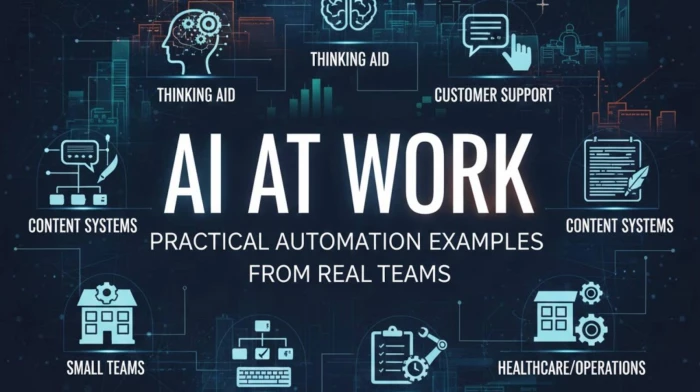
The conversation around AI at work has matured. In 2025, most teams are no longer asking whether artificial intelligence belongs in their workflow. Instead, they are deciding where it fits best and where it does not. The shift is subtle but important. AI is not being deployed as a single tool or department wide initiative. It is being woven into everyday tasks that were previously time consuming, repetitive, or error prone.
What stands out across industries is that AI adoption looks practical rather than dramatic. Teams are not redesigning their organizations around automation. They are quietly removing friction from the workday.
How Teams Actually Introduce AI Into Work
Most successful implementations begin small. Teams identify tasks that follow predictable patterns, require frequent copying or checking, or consume attention without adding much insight. These tasks often sit at the edges of roles rather than at their core.
Examples include summarizing long documents, preparing first drafts, routing requests, extracting data from forms, or checking consistency across reports. AI handles these steps so people can focus on decisions that require judgment.
This gradual approach explains why adoption has accelerated without the disruption many expected.
Executive Teams Use AI as a Thinking Aid
At senior levels, AI is increasingly used as a decision support tool rather than a decision maker. Executives feed strategy documents, board memos, or market reports into large language models to surface patterns, risks, or alternative perspectives.
The value lies in speed and synthesis. AI helps leaders compare scenarios, test assumptions, and explore consequences before discussions begin. This does not replace strategic thinking. It sharpens it.
Several leadership teams now treat AI tools as a neutral participant that challenges ideas without hierarchy, which changes how meetings are prepared and conducted.
Customer Support Becomes More Coordinated
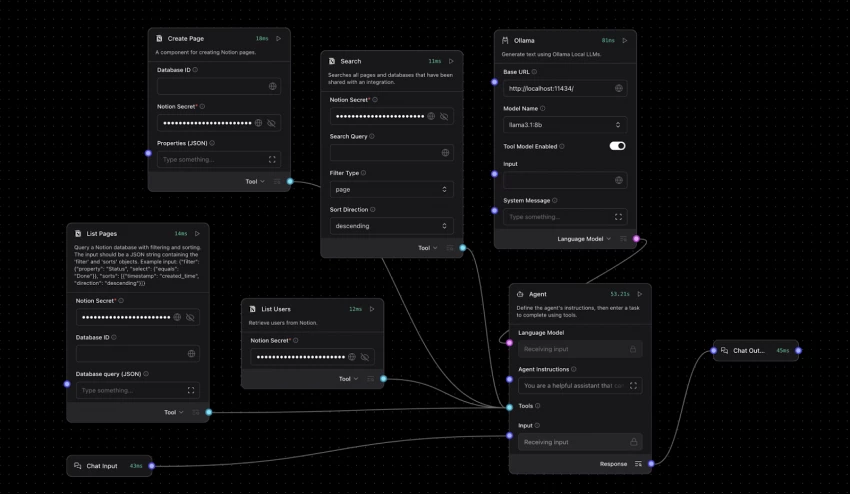
Customer service teams were among the earliest adopters of automation, but recent changes go beyond simple chatbots. Many teams now use local AI agents that coordinate multiple tools at once.
For example, when a support request arrives, an AI agent may retrieve past conversations, check account status, scan knowledge bases, and draft a response summary for a human agent. The human still responds, but with full context already assembled.
In some organizations, these agents run on local servers to meet security requirements. This approach allows automation without exposing sensitive data to external systems.
Marketing Teams Build Repeatable Content Systems
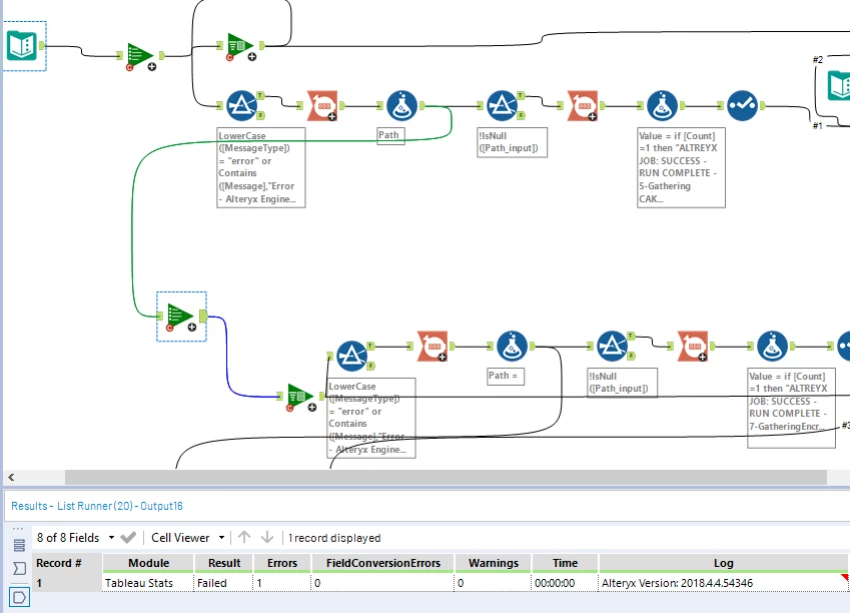
Marketing automation has moved away from one-off content generation. Teams now build chained workflows that turn inputs into structured outputs.
A campaign brief can trigger a sequence where AI drafts copy, checks tone against brand guidelines, formats the output into Markdown or JSON, and routes it for review. Tools like Zapier and Make are commonly used to orchestrate these steps.
The result is consistency rather than creativity alone. AI ensures that repetitive assets meet standards, freeing humans to focus on messaging strategy and audience understanding.
Developers Integrate AI Into the Build Process
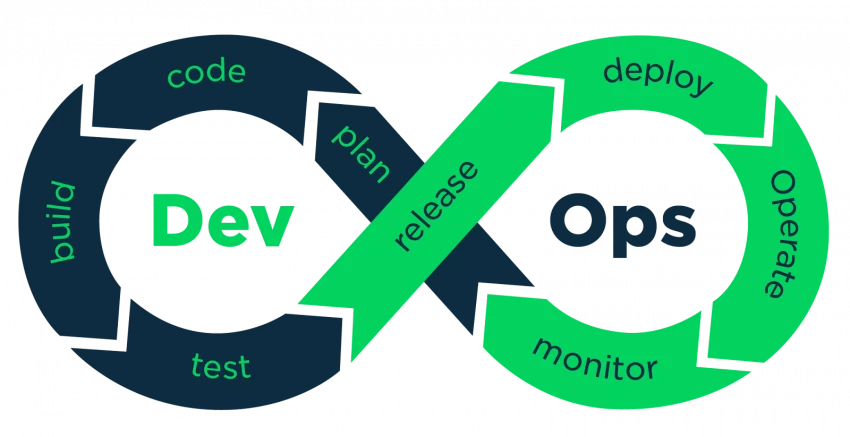
In technical teams, AI rarely operates as a standalone coding assistant. Instead, it is embedded inside DevOps pipelines.
Developers use AI to review pull requests, evaluate test coverage, flag anomalies in logs, or suggest fixes based on historical patterns. Tools that track prompt behavior and outputs help teams understand how models perform over time.
This reduces manual review work and speeds up iteration without removing accountability. Engineers still approve changes, but they do so with better information.
Small Teams Use AI for Quiet Efficiency Gains
Outside large organizations, AI adoption often looks simpler but no less effective. Small businesses and specialized sectors focus on tasks that steal hours from employees without delivering value.
Examples include scheduling, invoice processing, lead qualification, and documentation. AI handles the repetitive steps while staff handle customer relationships and problem solving.
Even in sectors like agriculture or construction, teams use AI to analyze images, predict timelines, or automate compliance paperwork. The gains are incremental but cumulative.
Healthcare and Operations Reduce Administrative Load
In healthcare and regulated environments, AI is used cautiously but deliberately. Administrative workflows such as patient onboarding, internal reporting, and documentation are automated to reduce errors and delays.
The goal is not speed alone. It is consistency and traceability. AI systems create structured records that are easier to audit and share across departments, improving coordination without changing clinical decision making.
What Makes These Examples Work
Across industries, successful AI automation shares several traits. The systems are designed to support humans rather than replace them. Teams understand the limits of automation and keep humans in the loop for decisions and exceptions.
Training and communication matter. When employees understand that AI removes tedious work instead of roles, adoption improves. Transparency around how tools operate builds trust.
Most importantly, teams start with real problems rather than abstract technology goals.
Challenges Teams Continue to Face
Despite progress, challenges remain. Poor data quality can undermine automation. Integration with legacy systems requires effort. Change resistance appears when benefits are unclear.
Regulatory and privacy concerns shape how AI is deployed, especially in finance, healthcare, and public services. Teams that plan for governance early encounter fewer setbacks later.
AI literacy is becoming part of professional skill sets, not a specialized role.
Conclusion
The story of AI at work is no longer about future disruption. It is about present day adjustment. Real teams are using AI to handle repetitive tasks, surface insights faster, and reduce cognitive overload without removing human responsibility.
What stands out is not how advanced the technology is, but how deliberately it is used. AI works best when it fits naturally into workflows rather than forcing workflows to adapt around it.
As adoption continues, the most successful teams will be those that treat AI as an assistant to human judgment, not a substitute for it. Automation creates space. What teams choose to do with that space will define the next phase of work.







Discussion