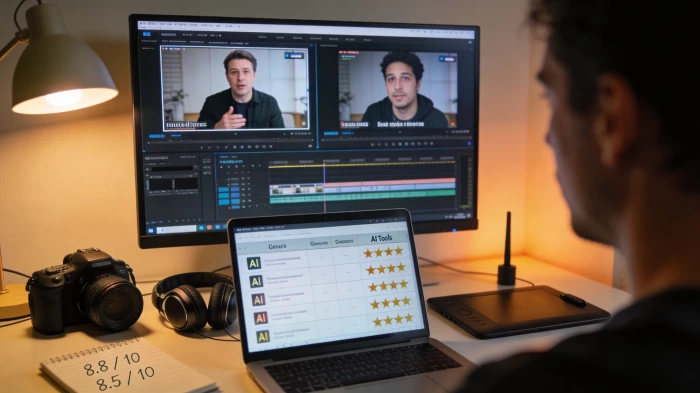
Artificial intelligence has dramatically changed how visual content is produced and edited. Tasks that once required advanced skills in tools such as Photoshop or After Effects can now be completed automatically by machine learning systems. AI models trained on facial recognition and image synthesis are capable of detecting facial landmarks, adjusting lighting conditions, and generating convincing visual replacements in a matter of seconds.
Remaker AI became popular because it made these capabilities accessible to a wide audience. The platform allows users to swap faces in photos and videos without manual editing. By analyzing facial structure and aligning a replacement face to the target image, the system can generate altered media with minimal input from the user.
After spending time experimenting with Remaker AI, I became interested in how other platforms approach the same problem. The AI media editing landscape is expanding quickly, and several tools now provide stronger video processing, improved realism, or additional creative features.
To understand the differences, I explored several platforms that compete directly with Remaker AI. Some focus on high quality video face swapping, while others expand the idea into broader content creation systems used by marketers and creators.
| Tool | Realism Quality | Ease of Use | Video Support | My Overall Rating |
| DeepSwap | Very high realism in moving videos | Simple upload workflow | Strong | 8.8 / 10 |
| MagicHour | Good for quick edits | Extremely simple | Moderate | 8.3 / 10 |
| Pica AI | Very strong for images | Easy interface | Limited | 8.4 / 10 |
| AKOOL | Strong marketing tools | Slightly complex | Strong | 8.5 / 10 |
| AI FaceSwap | Basic but fast | Very easy | Limited | 7.9 / 10 |
| JoggAI | High realism outputs | Moderate | Good | 8.6 / 10 |
One of the biggest challenges in face swapping is maintaining realism in video rather than static images. When a person moves their head, changes facial expressions, or appears under shifting lighting conditions, the AI must track and adjust the replacement face across multiple frames.
During testing, DeepSwap stood out as one of the most capable tools in this area. Unlike platforms that prioritize image editing, DeepSwap is designed specifically for video processing. The system analyzes facial movement frame by frame, which allows the swapped face to remain aligned as the subject moves.
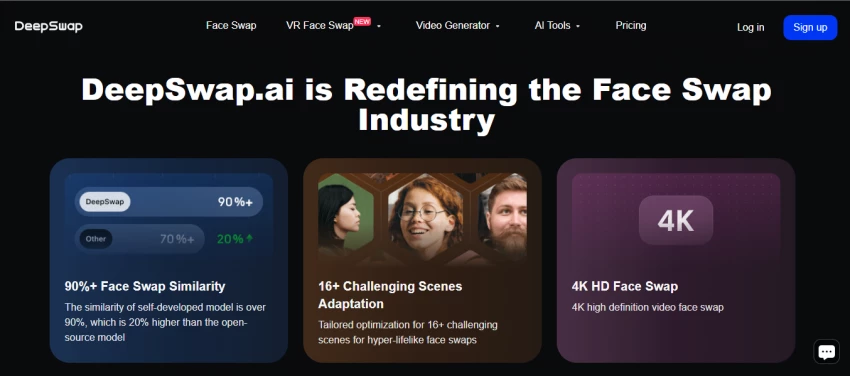
When I tested the platform with short video clips, the AI maintained facial stability better than many simpler tools. The replacement face stayed consistent across motion and expressions, which significantly improved realism.
DeepSwap is often used by creators producing short video content such as YouTube clips or social media videos. Because of its ability to maintain facial alignment across longer sequences, it works particularly well for video focused workflows.
Based on my experience testing several clips, DeepSwap felt like one of the strongest tools for video face swapping and I would personally rate it around 8.8 out of 10 for video realism and motion stability.
Not every creator needs advanced video processing. Many users simply want to generate quick face swap edits for memes, short clips, or experimental content.
Tools such as MagicHour are designed with this type of workflow in mind. The platform emphasizes speed and simplicity rather than complex editing controls. Most workflows involve uploading an image or video, selecting the replacement face, and allowing the system to generate the result automatically.
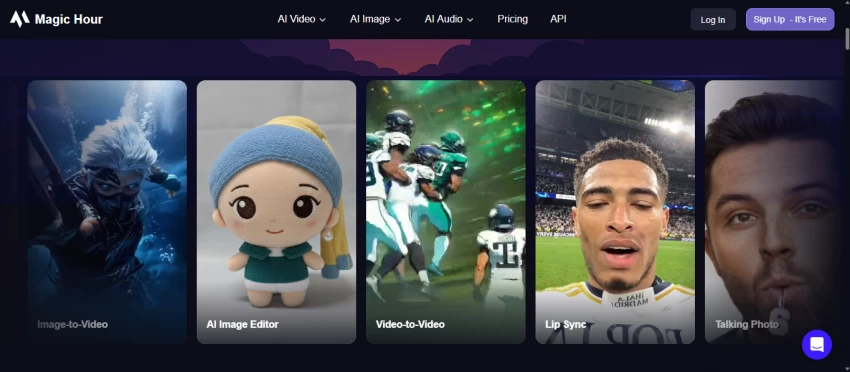
During testing, MagicHour consistently produced results quickly. The platform supports multiple content formats including images, GIFs, and short videos, which makes it particularly useful for social media creators.
The simplicity of the system is its main advantage. Instead of navigating complicated editing menus, the user interface focuses on generating results with minimal steps.
For creators who primarily produce short-form content or memes, MagicHour offers an efficient approach. Based on my testing sessions, I would describe MagicHour as an 8.3 out of 10 experience for speed and accessibility.
Some AI platforms concentrate specifically on photo based face swapping rather than video editing. For creators working primarily with still images, this focus can actually produce better visual results.
Pica AI is a good example of this approach. Instead of optimizing for video motion tracking, the platform focuses on facial alignment and lighting consistency in static images.
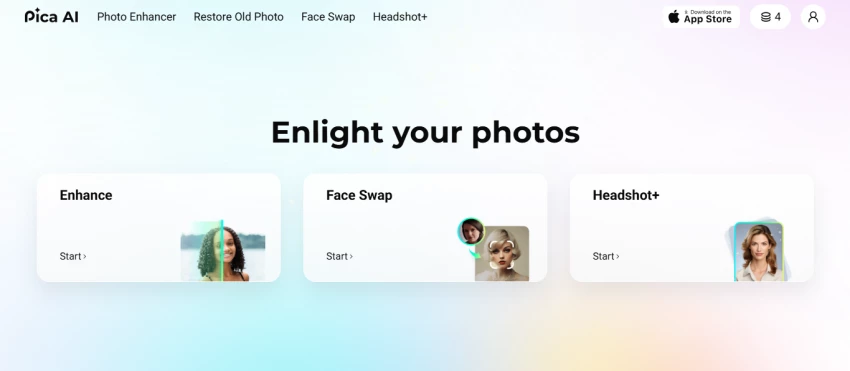
When I tested Pica AI using portrait photos, the system handled skin tone blending and lighting adjustments well. The swapped faces appeared natural within the original image rather than pasted onto the photo.
Because of this focus on image quality, Pica AI is often used for profile photo edits, digital art experiments, and social media visuals.
For creators working mostly with images rather than video content, Pica AI felt efficient and reliable. Based on my experience, I would rate it around 8.4 out of 10 for photo based face replacement.
Some alternatives to Remaker AI go beyond face swapping and integrate multiple AI content tools into a single platform.
AKOOL represents this broader approach. The platform combines face swapping with AI avatar creation, video editing, and automated media generation.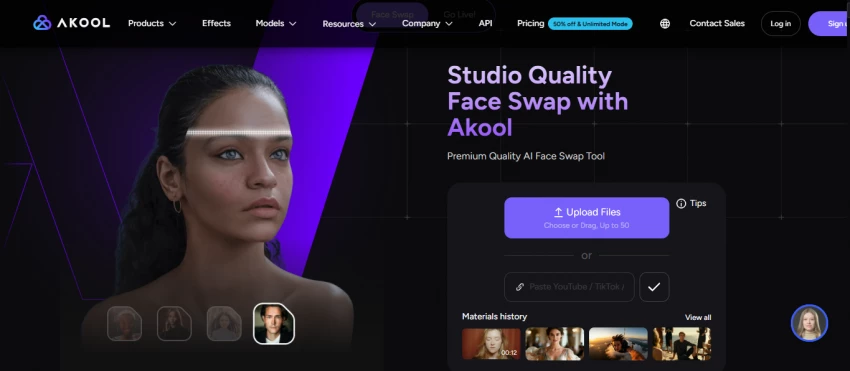
During testing, it was clear that AKOOL targets business users rather than casual creators. The ability to generate AI avatars alongside edited videos allows companies to produce marketing content without traditional production teams.
This makes the platform particularly appealing for advertising campaigns, promotional videos, and branded social media visuals.
The additional capabilities make AKOOL more complex than basic face swap tools, but they also expand its usefulness for professional content creation.
Because of this broader functionality, I would personally rate AKOOL around 8.5 out of 10 for marketing oriented AI media production.
There is also a category of AI face swap platforms designed primarily for quick experiments rather than professional media production.
AI FaceSwap tools typically focus on simplicity. Users upload an image, select a replacement face, and generate the result automatically.
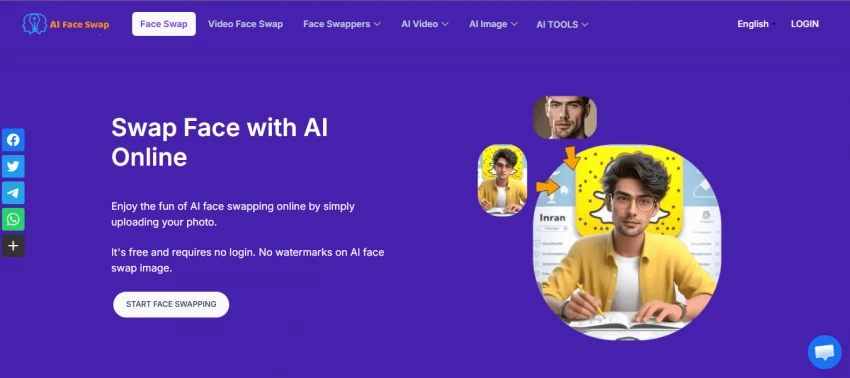
During testing, these tools worked well for casual edits such as memes or simple portrait replacements. The workflow is extremely fast, although the realism may not match more advanced platforms.
Because of their ease of use, these tools are popular among users who want to experiment with AI media technology without learning complex editing software.
For quick edits and entertainment content, I would rate these simple face swap tools around 7.9 out of 10 for accessibility and ease of use.
Some AI platforms attempt to push face swap realism further by analyzing facial structure, lighting conditions, and perspective more deeply.
JoggAI Face Swap is designed with this goal in mind. The platform uses advanced facial recognition models to analyze both the source and target images before generating the replacement.
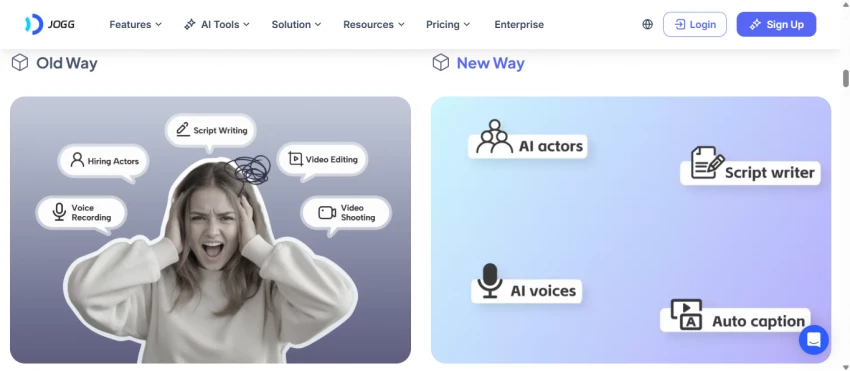
When I tested JoggAI with several videos and images, the platform produced convincing results in situations where lighting and facial angles matched well.
Creators working on storytelling videos or promotional visuals often prefer tools like JoggAI because of their emphasis on realism.
Based on my testing sessions, JoggAI delivered solid results and I would personally rate it around 8.6 out of 10 for realistic face replacement.
After exploring several alternatives, it became clear that no single platform replaces Remaker AI in every situation. Each tool focuses on slightly different strengths.
Creators working with video content may prefer platforms like DeepSwap or JoggAI because of their motion tracking and facial stability.
Users editing static images may find Pica AI more efficient because it focuses specifically on photo quality.
Marketing teams and businesses often prefer AKOOL because it integrates avatar generation and automated video production.
Meanwhile, creators producing fast social media edits may find MagicHour or simpler AI FaceSwap tools easier to use.
Understanding the type of content you produce is the most important factor in choosing the right platform.
AI media editing tools are evolving quickly. What began as simple face replacement technology is gradually becoming part of broader content creation ecosystems.
Many platforms now combine face swapping with AI video generation, avatar creation, and automated editing workflows.
As machine learning models improve, these systems will likely become even better at analyzing lighting conditions, facial expressions, and motion across video frames.
For creators and marketers, the most important challenge is not simply finding the newest tool. It is identifying platforms that integrate smoothly into their content production workflow.
Remaker AI is primarily used for face swapping in photos and videos using artificial intelligence.
DeepSwap is widely considered one of the strongest alternatives for video face swapping.
In most regions they are legal when used responsibly, although misleading deepfake content may violate platform policies or laws.
Yes. Many companies use AI face swap tools to generate marketing visuals and promotional content.
AI character chat platforms have expanded far beyond simple chatbot conversation...
Peter Woods1 day ago

Artificial intelligence has dramatically changed how visuals are created. Only a...
Alexander Hughes5 days ago
AI video creation has shifted from curiosity to competitive advantage. What used...
Peter Woods1 week ago
As video continues to dominate online engagement, AI-powered talking head tools...
Noura Belkacem1 week ago
Autodraft AI entered the writing tools space with a straightforward promise: str...
Peter Woods1 week ago
There are two kinds of presentation makers in the world. One group genuinely enj...
Alexander Hughes1 week ago
Discussion