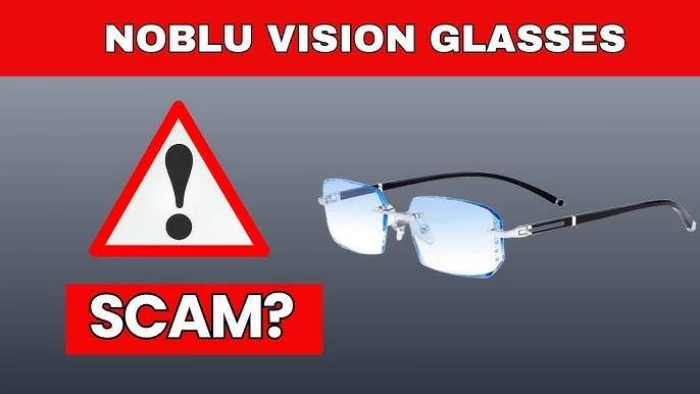
Noblu glasses are marketed as blue light blocking, “auto-adjusting” smart glasses, but most independent testers and customers describe them as cheaply made, non-corrective plastic lenses that do not match the bold claims.
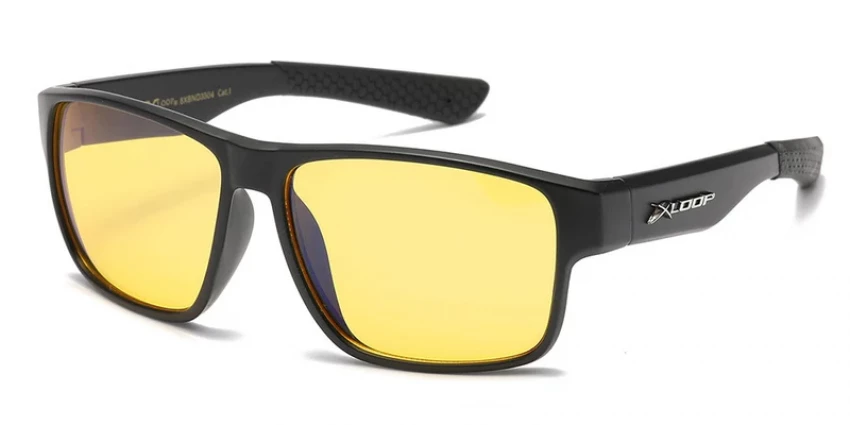
● Blue-light blocking eyewear — glasses meant to filter out “harmful” blue light emitted from screens like computers, phones, tablets and TVs, which the product says can reduce eye discomfort.
● Reduce eye strain and headaches caused by long hours in front of digital devices.
● Help improve sleep quality by protecting natural melatonin levels when using screens in the evening.
● Some advertising claims (often exaggerated) include “auto-adjusting lenses” or vision adjustment features, suggesting the glasses can adapt to your eyesight — but there is no real technology that does this in simple blue-light glasses
Many people who bought NoBlu glasses expected the benefits shown in the ads, but their real-life experiences often didn’t match the promises. In reviews, users commonly talk about the actual quality of the glasses, how the lenses look and feel, and whether the glasses truly helped with screen strain or vision comfort.
All of the user experiences and sentiments discussed below are drawn directly from verified Trustpilot reviews for noblu-glasses. These reviews come from real customers who purchased and used Noblu glasses, providing an unfiltered look at how the product performs in everyday life.
Many reviewers bought Noblu because of bold promises about auto‑adjusting lenses and multi‑distance clarity, but their real‑world experience is the opposite.
● Users report that the glasses “don’t adjust to your magnification” and “do not correct vision,” often making eyesight worse or blurry instead of clearer.
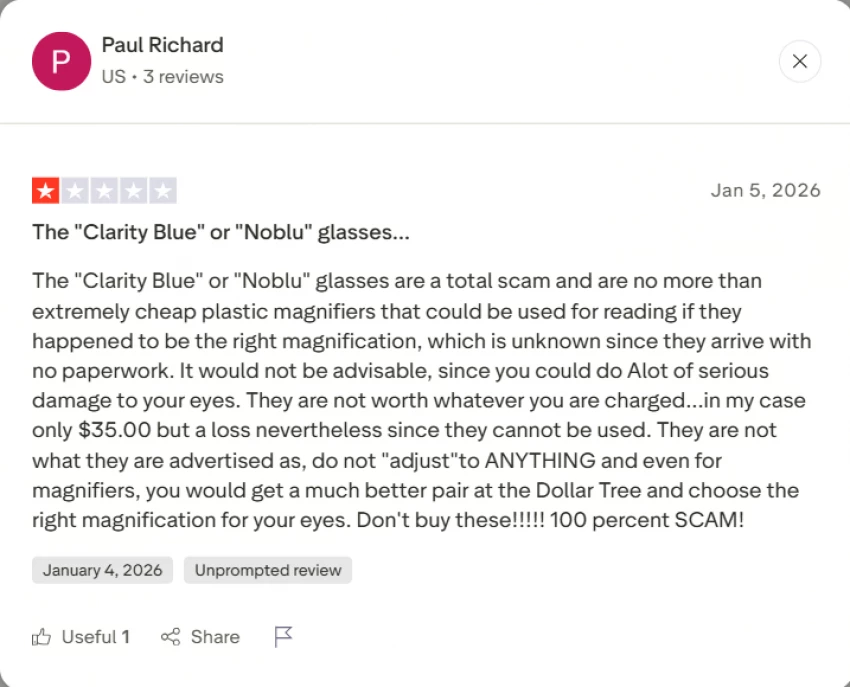
● Several comments specify that the glasses only “help a bit up close” or feel like cheap, fixed‑power readers rather than anything adaptive or high‑tech.
Visually, the marketing suggests a sleek, premium frame, but Trustpilot reviewers paint a picture of low‑end, flimsy hardware.
● Multiple users call them “a piece of plastic,” “toy glasses,” or “same glasses you can buy for a dollar,” stressing that the physical quality does not match the price tag.
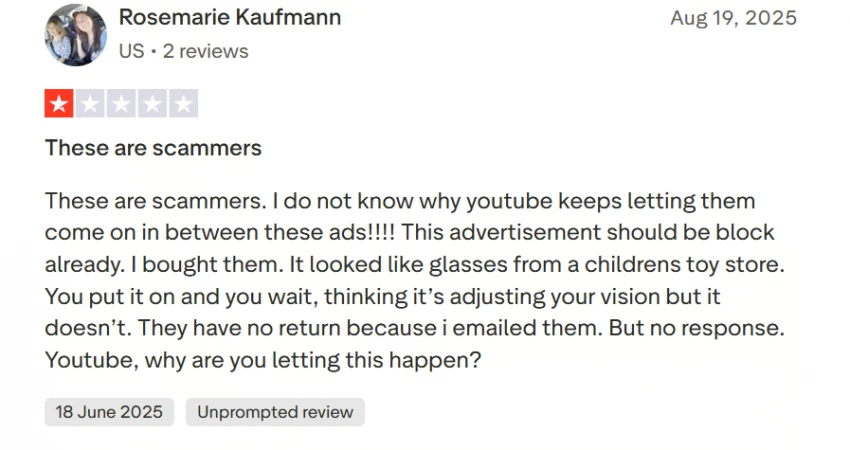
● Some mention scratches on the lenses straight out of the box and generally poor finishing, reinforcing the perception of bargain‑bin quality sold at a premium.
A major source of anger is not just that the product disappoints, but that getting money back is intentionally difficult and costly.
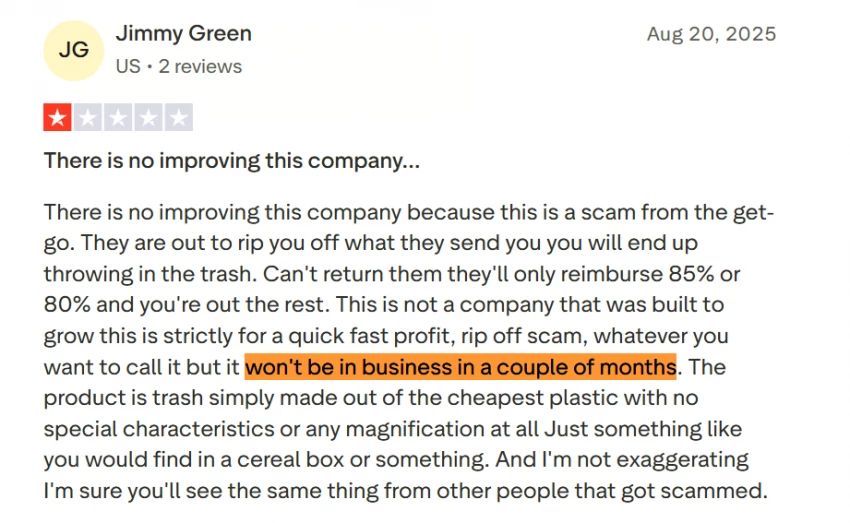
● Reviewers highlight partial refund offers (e.g., 80–85% back) or “instant refund” options around 25%, which become unattractive once you factor in shipping and restocking fees.
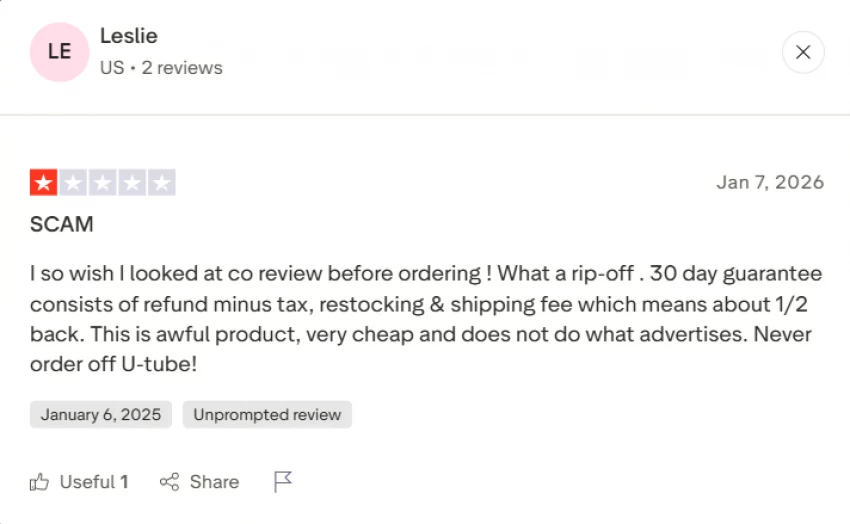
● People describe feeling “ripped off” because returning the glasses means losing a chunk of their payment to restocking charges plus postage, making it cheaper to keep something they already consider worthless.
Refund‑related quotes
● “They’ll only reimburse 85% or 80% and you’re out the rest.”
● “Refund is a joke… by the time you pay to send them back it isn’t worth it.”
Trust is a central theme in these reviews, with users feeling they were misled before purchase and then trapped afterward.
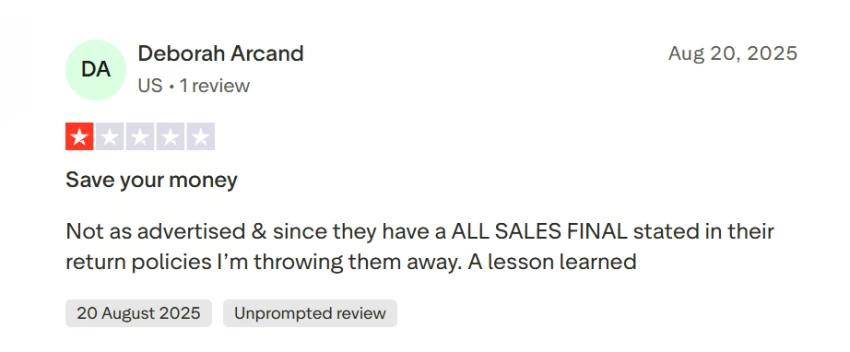
● Several reviewers accuse the company of false advertising, saying claims about vision correction, transition effects, and multi‑distance focus are simply not true.
● One detailed review calls out Noblu for misusing Trustpilot’s name and logo in ads, falsely implying a 5‑star “verifiable” rating to boost credibility, and urges Trustpilot to step in.
Key trust/ethics points
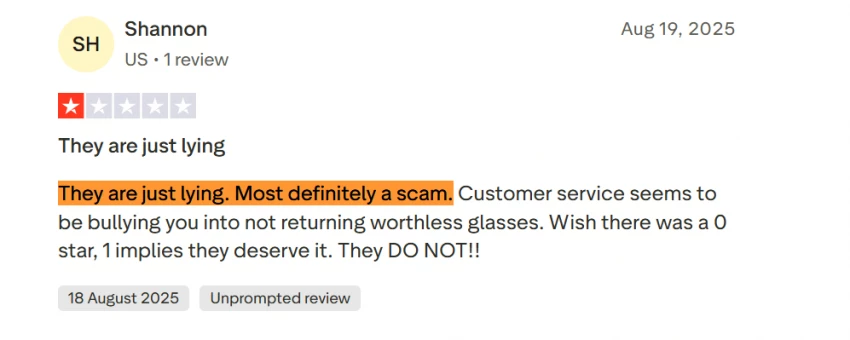
● “They are just lying. Most definitely a scam.”
● “They use Trustpilot’s site and phony reviews to claim a 5‑star rating… I implore you, Trustpilot, make them stop using your good name like this.”
Beyond the technical complaints, the emotional tone is heavy with regret and frustration.
● Buyers say they feel “scammed,” “disappointed,” or “stuck with glasses that don’t work,” often noting specific amounts lost (around 40–50 USD) to underline the sting.
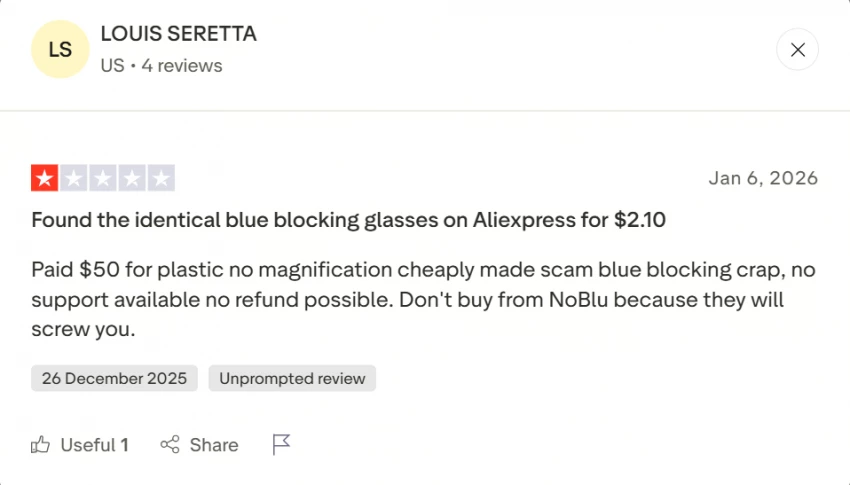
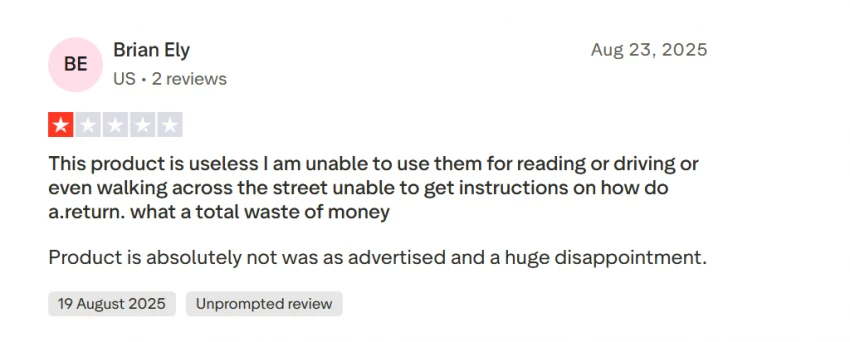
● Several mention throwing the glasses away or predicting the company “won’t be in business in a couple of months,” because it feels designed for quick profit rather than long‑term trust.
Noblu glasses are a textbook example of how aggressive marketing can wildly oversell a weak product: bold promises about auto‑adjusting vision, blue‑light protection, and life‑changing comfort collapse quickly when compared with real Trustpilot experiences. Across dozens of verified reviews, customers consistently describe cheap build quality, non‑functional “adaptive” lenses, and refund policies that feel designed to keep their money rather than fix the problem. Taken together, the data points to a clear takeaway for potential buyers: Noblu glasses do not live up to their claims, and there are far safer, more transparent eyewear options from established brands that offer better value, clearer specs, and far fewer regret‑filled reviews.
What Is GoMyFinance.com?GoMyFinance.com is a financial content and tools platfor...
John Nyarko15 hours ago
What exactly is AaryaEditz.org? AaryaEditz.org is a resource-focused websit...
Ina Gupta1 day ago

1) Are “Gramhir AI” and “Gramhir Pro” the same thing?Best-supported conclusion-T...
Ina Gupta5 days ago
Moneydisquantified.org operates as an entry‑level personal finance content site...
Ina Gupta1 week ago
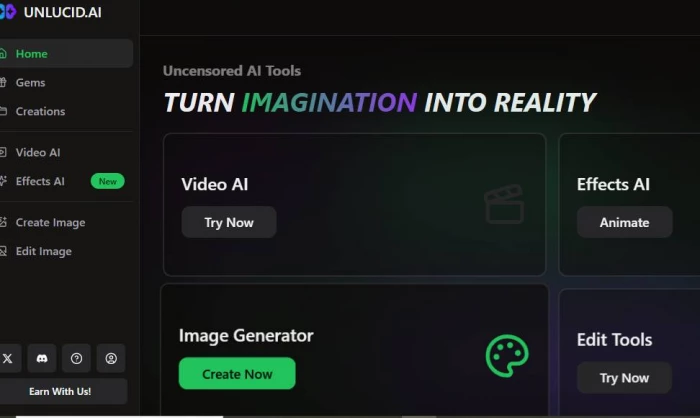
What Is Unlucid.ai?Unlucid.ai is a website that helps you create pictures a...
Ina Gupta1 week ago
Blooket is a browser‑based, game‑style quiz platform that lets teachers turn que...
Ina Gupta2 weeks ago
Discussion