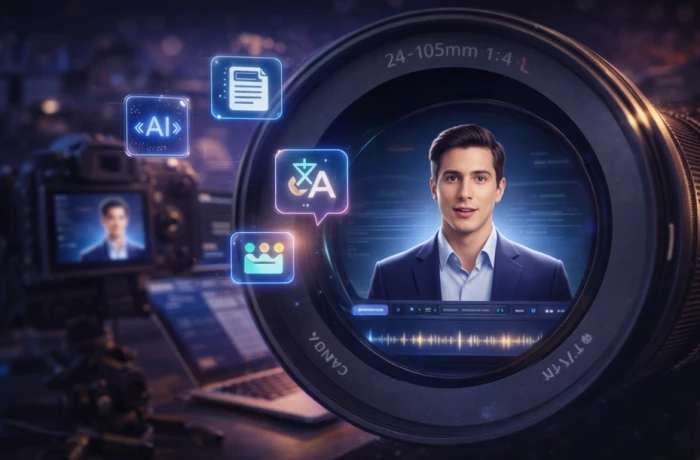
As video continues to dominate online engagement, AI-powered talking head tools have shifted from experimental novelties to serious production infrastructure. In 2026, creators no longer need expensive cameras, lighting setups, or professional presenters to produce polished videos. AI platforms now generate realistic avatars, natural voiceovers, synchronized lip movement, and scene-based layouts with minimal manual editing.
Talking head tools are especially valuable for educational content, corporate training, product explainers, consulting videos, internal briefings, and short-form social media. Instead of focusing on production logistics, creators can prioritize script clarity and distribution strategy.
Modern platforms typically provide:
The difference between basic video generators and advanced AI talking head tools lies in realism, scalability, and workflow integration.

Pictory - https://www.appcritica.com/review/pictory/
Pictory focuses on turning written content into ready-to-publish video. Rather than designing custom avatars, it emphasizes speed and automated formatting. Users can paste blog posts, scripts, or marketing copy, and the system automatically generates video scenes with narration, captions, and layout formatting.
Its main advantage is efficiency. Marketing teams producing frequent social videos benefit from Pictory’s rapid turnaround and automatic captioning. The platform is optimized for short-form distribution, which makes it practical for Instagram, LinkedIn, and YouTube Shorts.
Pictory is not designed for cinematic control or highly customized presenters. It excels when speed and consistency matter more than personality-driven performance.
Synthesia - https://www.appcritica.com/review/synthesia/
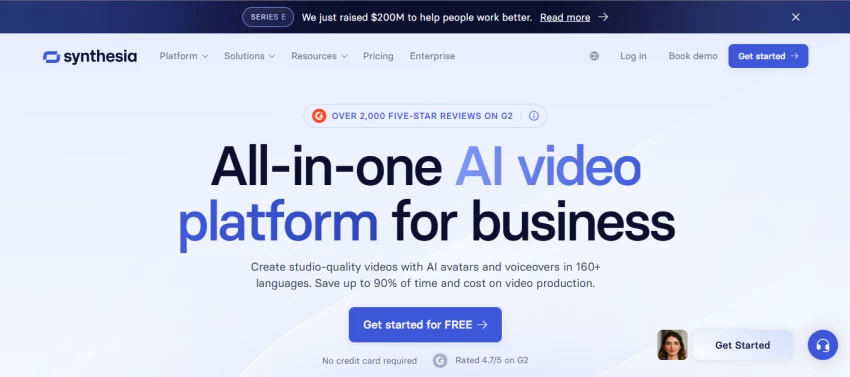
Synthesia is one of the strongest platforms for AI avatar realism. It allows users to select from a wide range of digital presenters who deliver scripted content with synchronized lip movement and natural pacing. Its multilingual capability is particularly strong, supporting multiple languages and accents.
Synthesia is widely used in corporate training and product onboarding because it provides presenter consistency across regions. Companies can deploy the same digital host in dozens of languages without hiring separate actors.
The strength of Synthesia lies in scalable presenter generation. Its limitation is creative flexibility. It prioritizes clarity and professionalism over cinematic experimentation.

HeyGen - https://www.appcritica.com/review/heygen/
HeyGen places greater emphasis on customization. It allows brands to create more personalized AI hosts and refine scene transitions with greater control than some template-heavy tools. Voice cloning and avatar adjustments help companies align video presenters with brand identity.
This platform works well for businesses producing recurring video series, webinars, or sales content where brand tone and visual continuity matter. Compared to Synthesia, HeyGen offers slightly more control over presentation aesthetics.
Its value increases when customization is a priority rather than simple automation.
Descript - https://www.appcritica.com/review/descript/
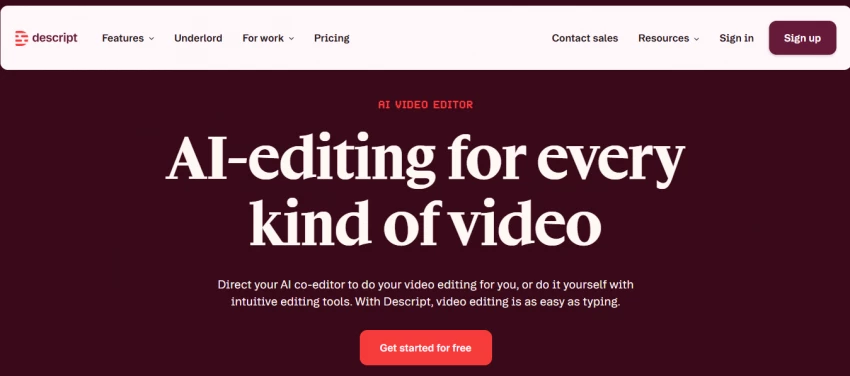
Descript approaches talking head video from an editing perspective. While it supports AI-based features, its core advantage is transcript-driven editing. Users can edit video by editing text. Removing a sentence from the transcript removes the corresponding clip from the video timeline.
Descript is ideal for creators who record themselves but want to refine pacing, remove filler words, and streamline post-production. It supports captioning, voice adjustments, and audio cleanup.
Rather than replacing presenters with avatars, Descript enhances real recorded footage. It fits creators who want control without complex editing software.
Runway - https://www.appcritica.com/review/runway/
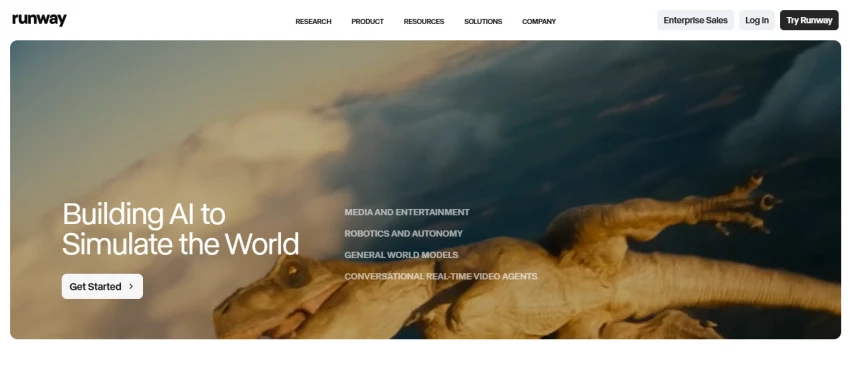
Runway goes beyond basic talking head functionality and enters advanced visual editing territory. It provides background removal, motion tracking, AI-assisted effects, and scene generation. For teams seeking higher visual polish or creative experimentation, Runway offers flexibility that avatar-focused platforms may not provide.
Runway works well when talking head footage is combined with dynamic backgrounds, animated graphics, or stylized visual effects. It is suited for higher-end storytelling or production environments.
Its power lies in creative control rather than automation simplicity.
ElevenLabs - https://www.appcritica.com/review/elevenlabs/
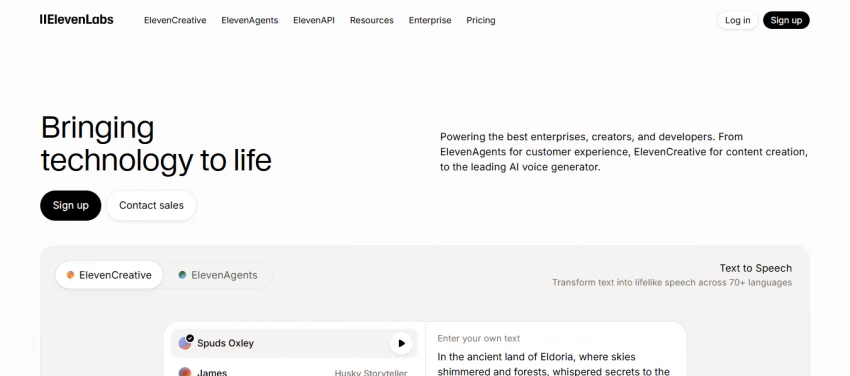
ElevenLabs specializes in high-quality text-to-speech. Although it does not create avatars itself, it significantly enhances talking head platforms through realistic voice synthesis. Its voice cloning and emotional tone modeling are among the most advanced in the market.
Voice quality heavily influences audience trust. Many creators pair ElevenLabs with avatar tools to improve natural delivery and avoid robotic narration.
It is most valuable when vocal authenticity is a priority.
Murf - https://www.appcritica.com/review/murf/
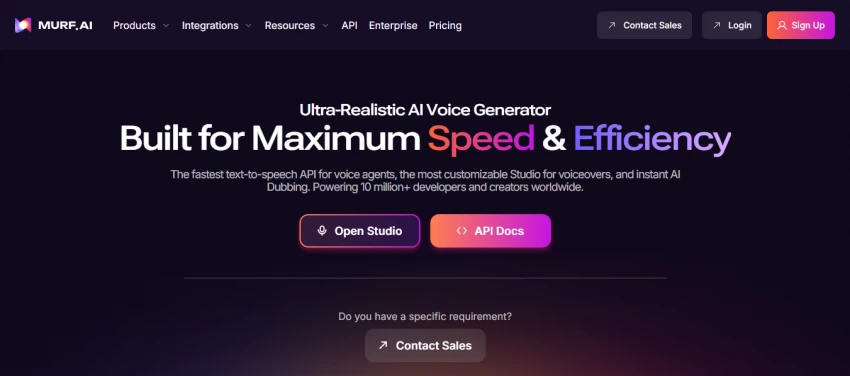
Murf focuses on professional voiceover and pacing control. It offers a library of polished voices with adjustable tone, speed, and emphasis. Compared to broader AI platforms, Murf emphasizes clarity and articulation.
Corporate teams creating training modules, demos, or instructional videos often use Murf to maintain a consistent and refined narration style.
Its strength lies in precision rather than visual generation.
Colossyan - https://www.appcritica.com/review/colossyan/
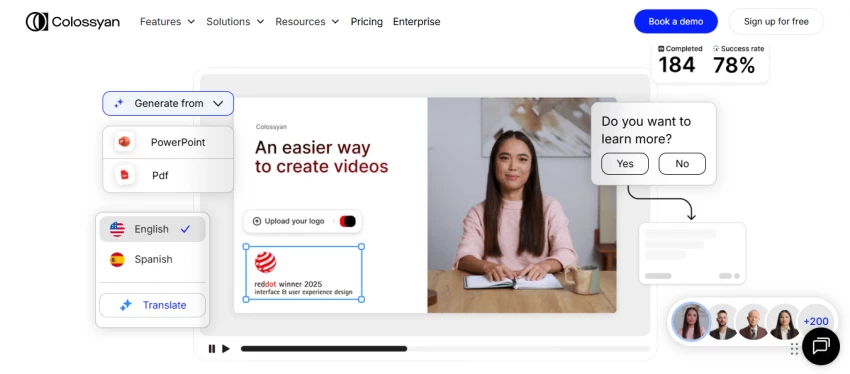
Colossyan is optimized for structured, script-based workflows. It allows users to build multi-scene presentations tied closely to dialogue and educational logic. The platform supports collaborative editing, making it useful for instructional teams.
Colossyan is particularly effective in e-learning and structured video curricula. It handles scenario-based scripts more naturally than some purely social-focused platforms.
Its advantage lies in educational organization rather than influencer-style presentation.
The right AI talking head platform depends on workflow priorities.
If speed and social scalability matter most, Pictory is efficient. If you need realistic AI presenters for corporate or multilingual content, Synthesia leads. If brand customization is critical, HeyGen offers flexibility. If you record yourself and want AI-enhanced editing, Descript simplifies post-production. If visual creativity is important, Runway provides more control. If voice quality is central, ElevenLabs or Murf strengthen narration. For structured educational scripts, Colossyan aligns well.
Many advanced creators combine tools rather than relying on one.
AI tools for talking head videos in 2026 have lowered the production barrier dramatically. Professional-quality presenter videos can now be created without studios, actors, or complex editing software.
However, the competitive advantage does not come from using AI alone. It comes from choosing the platform that aligns with your workflow, audience expectations, and distribution strategy.
The most effective creators are not replacing storytelling with automation. They are using automation to scale storytelling.

AI character chat platforms have expanded far beyond simple chatbot conversation...
Peter Woods1 day ago
Artificial intelligence has dramatically changed how visual content is produced...
Peter Woods3 days ago

Artificial intelligence has dramatically changed how visuals are created. Only a...
Alexander Hughes5 days ago
AI video creation has shifted from curiosity to competitive advantage. What used...
Peter Woods1 week ago
Autodraft AI entered the writing tools space with a straightforward promise: str...
Peter Woods1 week ago

There are two kinds of presentation makers in the world. One group genuinely enj...
Alexander Hughes1 week ago
Discussion