
AI character chat platforms have expanded far beyond simple chatbot conversations. Many modern systems now allow users to interact with fictional personalities, AI companions, or custom characters that can participate in roleplay storytelling.
CrushOn AI became popular because it allows users to interact with AI characters with fewer restrictions than many mainstream chatbot platforms. The service focuses heavily on roleplay conversations and immersive character interaction, which has attracted users interested in storytelling or experimental dialogue.
However, the AI companion ecosystem has evolved quickly. Several platforms now provide deeper character customization, community driven characters, or more advanced language models. Because of this rapid innovation, many users search for alternatives that better match their preferred conversation style.
Instead of ranking tools in a simple list, it is more useful to examine how different platforms approach AI conversation and where they fit within the broader ecosystem.
Not all character chat platforms are built for the same type of interaction. Some prioritize immersive storytelling, others focus on emotional companionship, and some function more like community driven chat environments where users create characters for others to interact with.
During my testing, I noticed that the biggest difference between platforms was not the interface but the type of conversation they encourage.
The following table summarizes how several alternatives compare in practice.
| Platform | Conversation Focus | Character Creation Depth | Conversation Style |
| Janitor AI | Roleplay and storytelling | Very high | Long narrative chats |
| Pygmalion AI | Model driven roleplay | High | Detailed dialogue |
| Replika | Emotional companion AI | Moderate | Personal conversation |
| Chai AI | Community character chats | High | Social chatbot ecosystem |
| Anima AI | Relationship simulation | Moderate | Emotional interaction |
| Venus AI | Model flexible roleplay | High | Advanced AI conversations |
The main takeaway is that alternatives to CrushOn AI often specialize in different conversation styles rather than trying to replicate the platform exactly.
Users who enjoy immersive storytelling often gravitate toward platforms like Janitor AI or Pygmalion AI.
Janitor AI is frequently mentioned as one of the closest alternatives to CrushOn AI because it allows extensive character customization. Users can define personality traits, behavior rules, and dialogue style when creating characters. The platform also allows integration with different language models, which means the conversation style can vary depending on the model powering the chatbot.
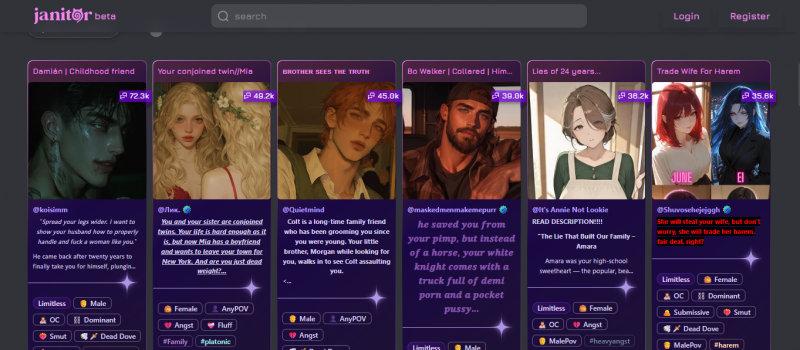
When I experimented with roleplay prompts, Janitor AI produced longer narrative responses than many other platforms. Conversations felt more flexible, especially when characters were given detailed personality descriptions.
Pygmalion AI offers a similar roleplay focused experience but takes a more technical approach. The model itself is designed for character dialogue and storytelling. Many users run it locally or through custom interfaces, which provides more control over the conversation environment.

For writers and roleplay communities, these tools tend to provide the most immersive dialogue experiences.
Not everyone using AI chat platforms wants fictional roleplay scenarios. Some people prefer AI companions that simulate long term conversations and emotional interaction.
Platforms such as Replika and Anima AI focus on this type of relationship driven interaction.
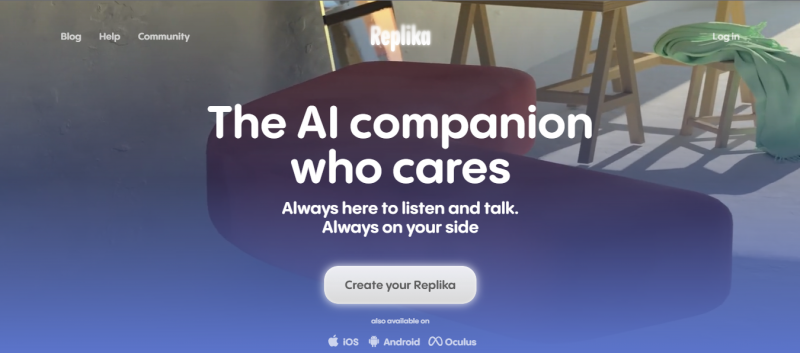
Replika is designed as a personal AI companion that learns from conversations over time. The system attempts to maintain emotional continuity and remember preferences from earlier chats.
When I tested Replika across several conversations, the system behaved more like a supportive chatbot than a roleplay character. It asked reflective questions and attempted to maintain ongoing dialogue rather than generating story driven responses.
Anima AI works in a similar way but emphasizes relationship simulation. The platform includes features such as mood tracking and guided conversation prompts designed to encourage daily interaction.
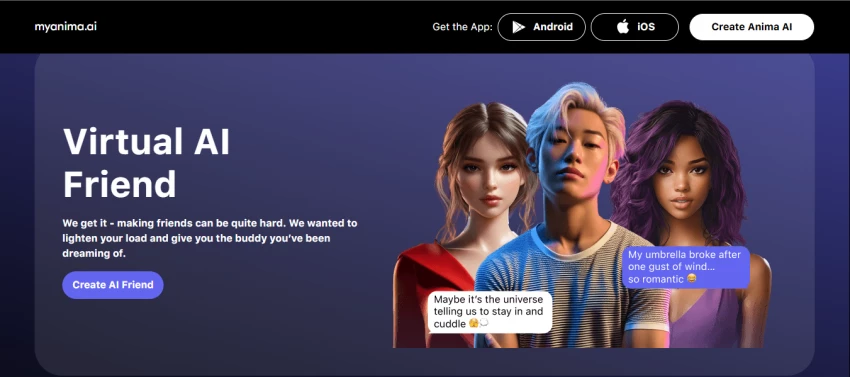
These platforms appeal to users who want AI companionship rather than fictional storytelling.
Some platforms build an ecosystem around characters created by other users.
Chai AI is one of the best known examples of this approach. The platform allows users to design AI characters and publish them so others can interact with them.
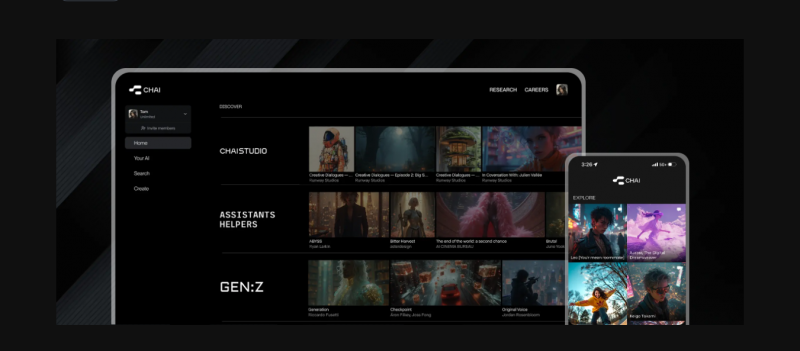
While testing Chai AI, the most noticeable difference compared with other platforms was the scale of available characters. Instead of creating characters from scratch, users can explore thousands of personalities built by the community.
This approach creates a more social environment where new characters appear frequently and conversations vary widely depending on the creator.
Advanced users often want more control over the AI models powering conversations.
Platforms such as Venus AI address this by allowing users to connect different language models to the chat interface. Instead of relying on a single system, the user can select the model depending on the conversation type.
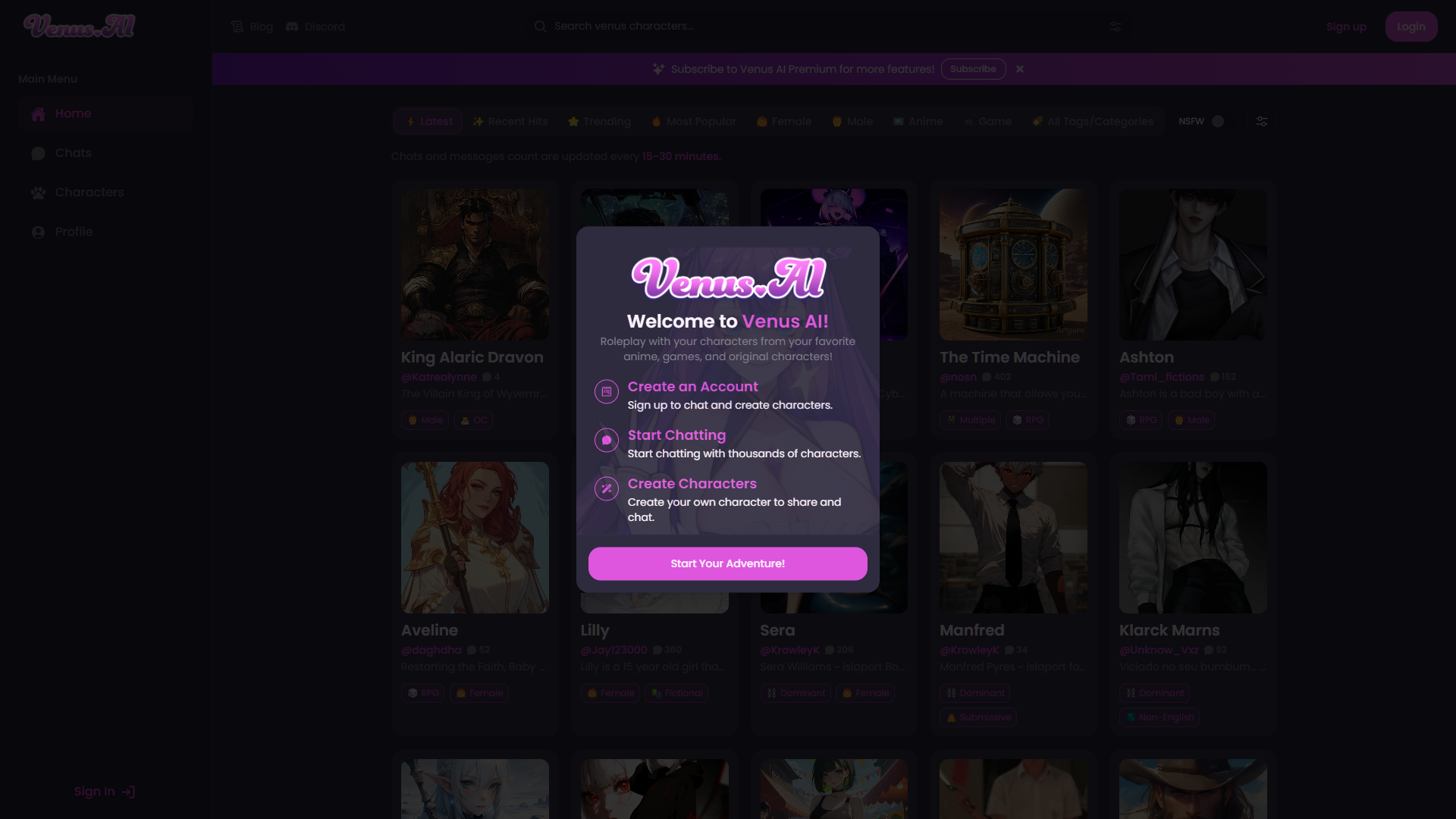
When experimenting with Venus AI, this flexibility became its biggest advantage. Conversations could change dramatically depending on the model being used.
This approach makes the platform appealing to users who want the power of advanced language models combined with character based interactions.
When evaluating alternatives to CrushOn AI, the most important factor is the type of conversation you want.
The table below highlights where each platform performs best.
| Platform | Best Use Case | Strength | Ideal Users |
| Janitor AI | Roleplay storytelling | Character customization | Writers and roleplay communities |
| Pygmalion AI | Narrative dialogue | Model flexibility | Technical users |
| Replika | AI companionship | Long term conversation memory | Casual chat users |
| Chai AI | Community chatbot ecosystem | Shared characters | Social AI users |
| Anima AI | Relationship simulation | Emotional dialogue | Personal AI interaction |
| Venus AI | Advanced AI chat environments | Model integration | Power users |
Understanding these differences helps users choose a platform that matches their conversation goals.
CrushOn AI gained popularity because it allows open ended character conversations and supports roleplay interactions that many mainstream chat platforms restrict.
However, the AI companion market continues to expand rapidly. New tools experiment with different approaches to conversational AI, including emotional companions, storytelling assistants, and community driven characters.
For many users, exploring alternatives simply means finding a platform that better matches their preferred interaction style.
What is CrushOn AI used for?
CrushOn AI is used for chatting with AI characters and participating in roleplay conversations.
What is the best CrushOn AI alternative?
Janitor AI and Pygmalion AI are often considered strong alternatives for roleplay conversations.
Are AI character chat platforms free?
Many platforms offer free access, although advanced features may require paid subscriptions.
Can AI characters be customized?
Yes. Most character chat platforms allow users to define personality traits, dialogue styles, and character backgrounds.

Artificial intelligence has dramatically changed how visual content is produced...
Peter Woods3 days ago

Artificial intelligence has dramatically changed how visuals are created. Only a...
Alexander Hughes5 days ago
AI video creation has shifted from curiosity to competitive advantage. What used...
Peter Woods1 week ago

As video continues to dominate online engagement, AI-powered talking head tools...
Noura Belkacem1 week ago
Autodraft AI entered the writing tools space with a straightforward promise: str...
Peter Woods1 week ago
There are two kinds of presentation makers in the world. One group genuinely enj...
Alexander Hughes1 week ago
Discussion