The term Jilo Viral has spread rapidly across search engines and social platforms. It’s commonly framed as a free movie and TV streaming site, offering instant access to popular titles without requiring sign-ups or payments. For users frustrated by rising subscription costs, it appears to solve a simple problem — watch anything, instantly, for nothing.
Yet, beneath that appeal sits a tangle of piracy, malware exposure, and data risks. Jilo Viral exemplifies the modern mutation of online piracy: sleek interfaces, social media virality, and aggressive SEO tactics masking a deeply unstable foundation.
2. What Is Jilo Viral?
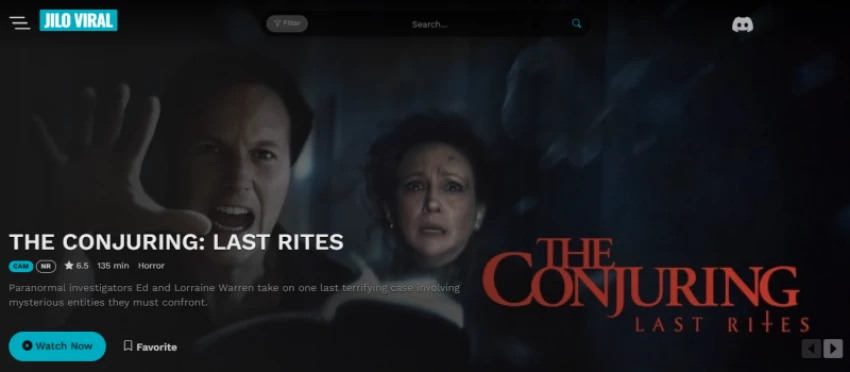
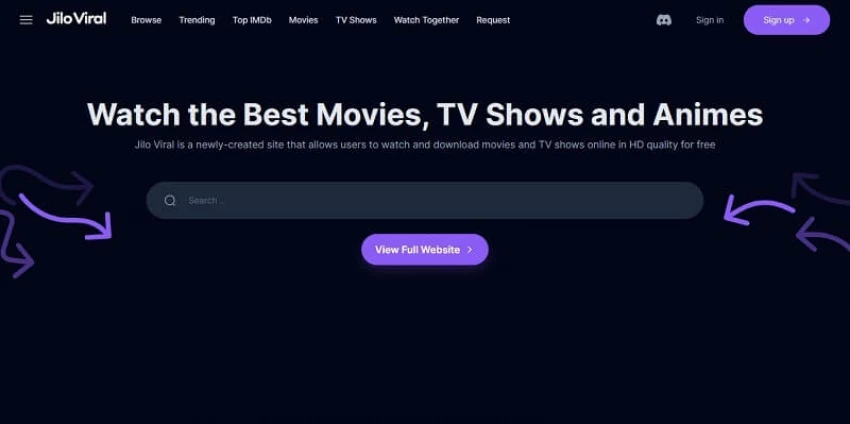
Jilo Viral, sometimes stylized as JiloViral or Jilo Virals, is widely described as a free streaming website that provides links to thousands of movies and TV shows. It doesn’t ask for registration or personal details. Users can click a title and begin watching within seconds.
The site’s own pages and mirrored domains promote its supposed advantages — no subscription fees, HD quality, and multi-device compatibility. Visitors encounter lists of trending releases, filters by country or genre, and prominent “watch now” buttons.
However, Jilo Viral’s ownership and infrastructure remain completely opaque. There is no company imprint, no corporate disclosures, and no public-facing contact details. WHOIS records show anonymized registrants protected through offshore privacy services, an early warning sign of non-legitimacy.
3. How Jilo Viral Operates
Analysts describe Jilo Viral as an aggregator model rather than a traditional host. In simple terms, it indexes links from other servers that actually store the content. When a viewer selects a film, they’re redirected to a third-party player embedded or hosted elsewhere.
This distinction matters legally, but only to a point. Many link-based sites claim they “don’t host anything,” yet courts in several countries have held that knowingly directing users to pirated material still constitutes copyright infringement.
From a technical perspective, the site’s monetization appears to depend heavily on advertising networks. Clicking through a video often triggers multiple pop-ups or redirects, some of which load pages unrelated to media streaming — ad campaigns, fake surveys, or prompt-based scam downloads.
The experience is inconsistent but follows a pattern recognizable across piracy portals: smooth browsing at first, then unpredictable interruptions from ad layers or domain switches.
4. Domain Churn and Lack of Transparency
The Jilo Viral ecosystem operates under a rotating set of domains — including addresses like jiloviral.com, jiloviral.sbs, jiloviral.it.com, and regional variants. Each shares a similar layout and color scheme, but not all appear to be maintained by the same operators.
This constant domain churn serves several purposes:
● Avoiding blacklisting by search engines and internet providers.
● Evading takedown notices from copyright holders.
● Capitalizing on trending keywords before competitors clone the brand.
Such fragmentation means users can never be certain whether the domain they visit is the “real” Jilo Viral or a phishing imitation designed to harvest clicks or distribute malware.
The lack of identifiable ownership or accountability underscores the gray, transient nature of these sites.
5. Legal Status: Piracy in Disguise
Legally, Jilo Viral exists outside authorized streaming frameworks. It provides access to copyrighted content without licensing agreements or revenue-sharing with rights-holders.
While the operators might claim they’re merely aggregating links, this defense has been largely rejected by courts. Link directories have been deemed “facilitators of infringement” when their primary function is to help users access unlicensed works.
In most countries, viewing such content is technically illegal, though enforcement typically targets operators rather than individual users. Exceptions exist. Some European jurisdictions and East Asian markets have imposed fines or ISP warnings for end-users caught streaming pirated media.
Thus, watching on Jilo Viral may seem harmless, but it operates within — and contributes to — the global digital piracy economy.
6. Security and Privacy Risks
If legal risk feels abstract, the security risk is immediate and tangible.
Cybersecurity reports and user reviews consistently note aggressive ad pop-ups, redirects to unknown sites, and prompts to install “player updates.” These elements can expose users to:
● Malware and adware infections
● Fake browser extension installs
● Phishing forms disguised as survey or account-verification pages
Even without a user account, Jilo Viral’s ad ecosystem tracks behavior through cookies and fingerprinting scripts, collecting browsing habits and approximate location data.
No privacy policy is visible on its main pages, nor any transparency about data handling or ad partners.
The model functions less like entertainment delivery and more like traffic monetization, where every click or mis-click becomes potential ad revenue — regardless of user safety.
7. User Experiences and Online Reputation
Reactions to Jilo Viral vary sharply.
Some users, particularly on TikTok and Facebook groups, describe it as a “hidden gem” for free movies. These endorsements often go viral, blending genuine convenience with social curiosity.
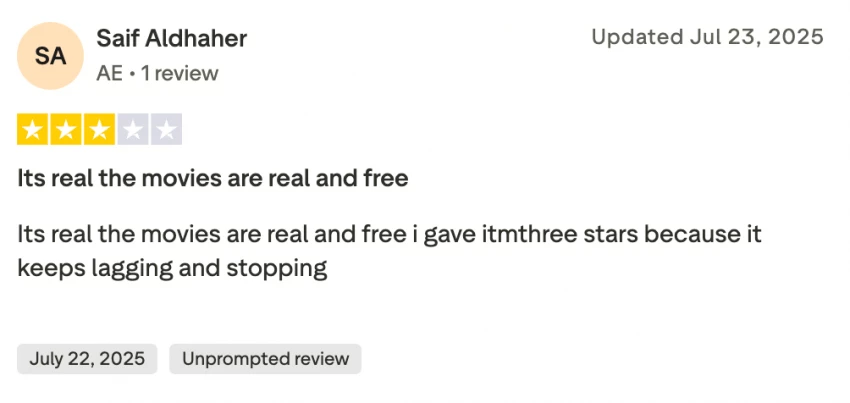
Others describe a far less pleasant experience. Trustpilot reviews contain frequent complaints about pop-up overload, redirects to suspicious domains, and malware warnings from antivirus software.
A consistent pattern emerges: users who praise it focus on access, while those who criticize it focus on risk. This divide illustrates the larger psychology of piracy — convenience outweighs caution until something goes wrong.
8. Why Sites Like Jilo Viral Persist
The persistence of Jilo Viral isn’t an accident. It reflects structural problems within the entertainment economy.
Modern viewers face fragmented licensing across streaming platforms. A film available on Netflix this month might migrate to Disney+ or HBO Max the next. Each requires separate subscriptions.
For users in countries where incomes are lower relative to global pricing, paying for multiple services becomes unrealistic. Free sites exploit this frustration, offering a “one-stop” catalog of content that feels like a public service, even when it’s piracy.
Additionally, social normalization through memes and viral content has blurred ethical boundaries. When influencers casually mention or demonstrate sites like Jilo Viral, they reinforce the idea that piracy is simply another “hack” rather than an infringement.
9. Ethical and Industry Impact
The ethical cost of platforms like Jilo Viral extends beyond the act of infringement.
Piracy undercuts revenue streams for filmmakers, production crews, and distributors, particularly smaller studios that rely on licensing to survive. When millions watch films through unlicensed channels, those creators lose direct income.
The cultural normalization of piracy also dilutes respect for creative labor. As “free movie” memes spread, the underlying message becomes that digital art has no monetary value.
Meanwhile, legitimate streaming platforms face pressure to compete with “free” illegal alternatives, pushing them toward stricter regional restrictions or content withdrawals — perpetuating the cycle that fuels sites like Jilo Viral.
10. Safer and Legal Alternatives
Users seeking affordability and convenience do have legitimate options.
● Ad-supported streaming services such as Tubi, Pluto TV, and regional public broadcasters offer free, licensed access to curated libraries.
● Subscription models like Netflix, Disney+, or Amazon Prime remain secure and transparent about data usage.
● Library-based digital collections or educational streaming programs can provide free legal access to older or independent works.
While these lack the total content spread of piracy sites, they carry no malware, no data risk, and no legal exposure.
The long-term solution isn’t chasing illegal platforms — it’s broadening legal access in more equitable ways, ensuring that affordability and security coexist.
11. Conclusion
Jilo Viral embodies the tension between user convenience and ethical compromise. It flourished by combining viral visibility with unauthorized content access, presenting a frictionless interface that conceals complex risks.
Its continued existence exposes systemic issues — fragmented licensing, digital inequality, and platform fatigue — yet it also underscores a broader truth: the internet’s appetite for “free” rarely comes without cost.
For those seeking entertainment, the safest path remains licensed, transparent platforms that respect both user privacy and creative ownership.




Discussion