AI study tools rarely fail because they do not work. They fail because they lock users into a specific workflow that only fits some learning styles. Jungle AI sits firmly in that category. It is competent, fast, and clearly useful, but it also pushes a particular way of studying that not every student wants to commit to long term.
This article does not revisit whether Jungle AI is “good” or “bad”. That conversation is largely settled. Instead, it looks at why students move away from Jungle AI, which tools they migrate to, and what those alternatives do differently in practice.
Where Jungle AI Fits Before Comparing Anything Else
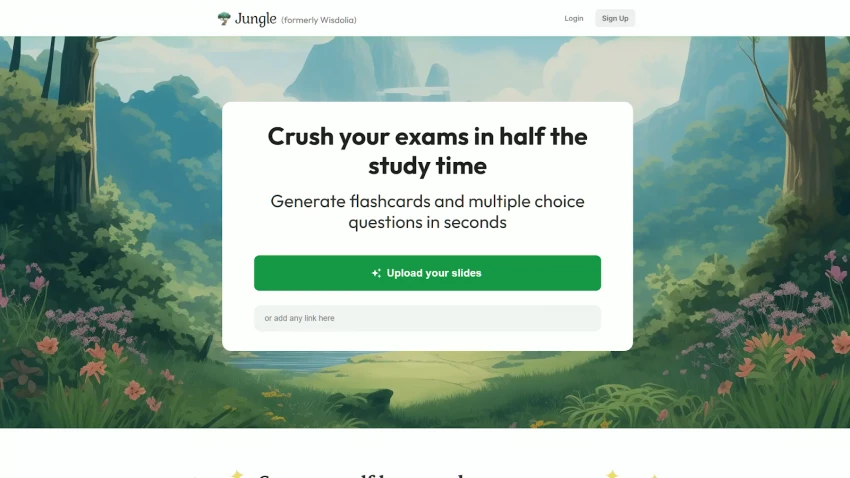
Jungle AI is strongest at one thing: turning raw study material into active recall content quickly. Slides, PDFs, YouTube videos, and notes become flashcards and questions with minimal friction. For students drowning in material, that automation feels like relief.
The limitations emerge later. The free tier is tight. Advanced explanations sit behind paid plans. Collaboration is minimal. And once the novelty wears off, some users realize they want either more control or more freedom than Jungle AI offers.
That tension is what drives people toward alternatives.
Quick Verdict: The Top Three Jungle AI Alternatives
Before going deep, three platforms consistently surface as replacements depending on what users value most.
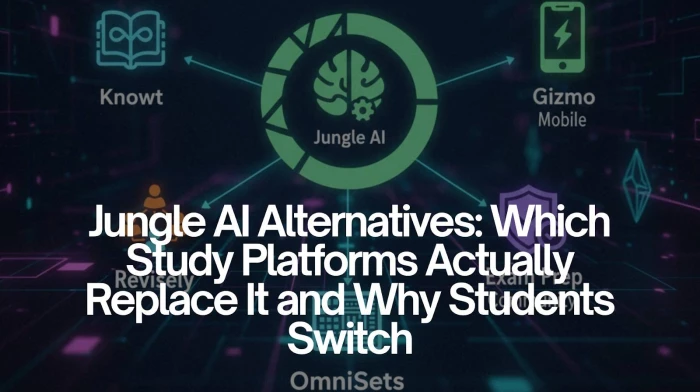
Knowt is chosen by students who want unlimited generation without hitting usage ceilings. Gizmo appeals to those who study primarily on mobile and want a lightweight experience. Revisely attracts exam focused users who care more about structured testing than gamification.
These tools are not better in every way. They are better in specific ways that Jungle AI does not prioritize.
The most common Jungle AI alternative is Knowt, largely because it removes friction where Jungle AI introduces it.
Knowt positions itself as an AI powered study hub rather than a flashcard engine. Users generate notes, summaries, flashcards, and practice tests without worrying about monthly caps on generations. For students who study in bursts or revise entire syllabi at once, that difference matters more than polish.
Compared to Jungle AI, Knowt feels less curated. The questions are sometimes less refined, and the interface is not built around progress gamification. What it offers instead is volume and flexibility. Students can import Quizlet sets, generate unlimited material, and experiment without constantly watching usage counters.
The trade-off is control. Jungle AI’s spaced repetition and adaptive pacing feel more intentional. Knowt hands that responsibility back to the user. Some prefer that. Others do not.
Gizmo vs Jungle AI: Mobile First vs Material Heavy
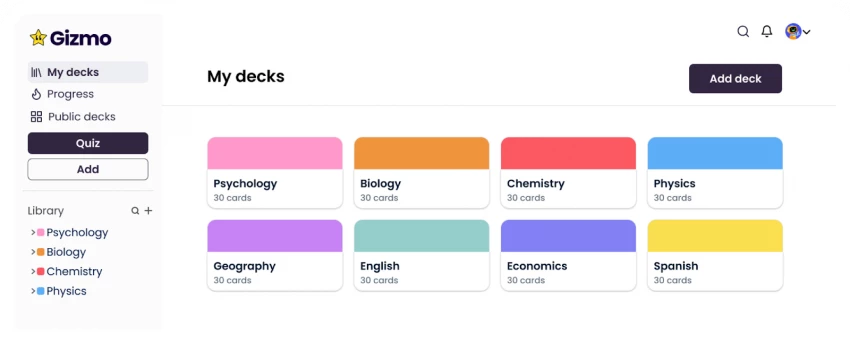
Gizmo solves a different problem. Jungle AI assumes students are working with dense materials like slides, videos, and long documents. Gizmo assumes the opposite. It is designed for short sessions, quick reviews, and phone based studying.
Gizmo’s AI generates flashcards and quizzes efficiently, but the emphasis is on speed rather than depth. There is less emphasis on diagrams, long explanations, or multi topic clustering. That makes it weaker for complex subjects but surprisingly effective for daily reinforcement.
Students who switch from Jungle AI to Gizmo usually do so because their study habits changed. They are no longer processing entire lectures. They are revising concepts repeatedly in small windows of time. In that context, Jungle AI can feel heavy. Gizmo feels lighter.
Revisely vs Jungle AI: Exam Discipline Over Learning Systems
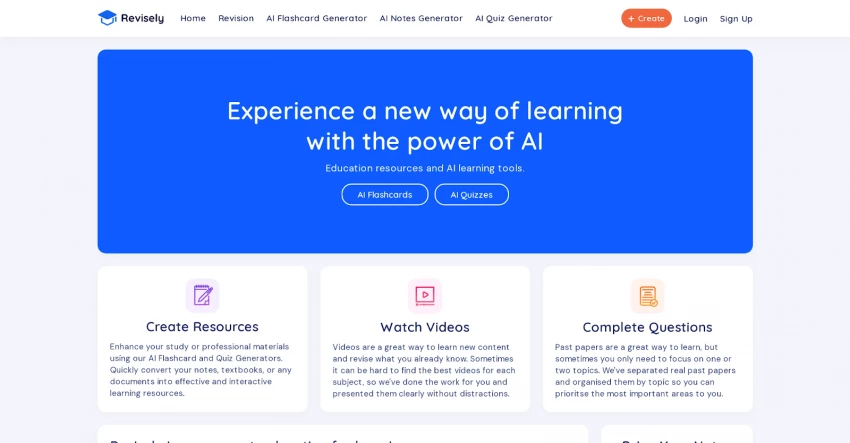
Revisely appeals to a narrower audience, but a very specific one. Students preparing for exams who want structured testing environments rather than learning ecosystems often end up here.
Revisely focuses on turning documents and images into exam style questions and timed practice. It does not emphasize gamification, streaks, or progress visuals. It emphasizes assessment. That makes it less engaging for ongoing learning but more aligned with formal exam preparation.
Compared to Jungle AI, Revisely feels stricter and less forgiving. There is less room for exploratory learning. That is exactly why some users prefer it.
Studydrive and Community Based Alternatives
Some students do not leave Jungle AI for better AI. They leave it for the community.
Platforms like Studydrive combine AI summaries and quizzes with shared notes uploaded by other students. The quality varies widely, which is a real downside. But for subjects where peer notes are valuable, this model can outperform isolated AI generation.
Jungle AI intentionally avoids this direction. It is built around individual workflows. Studydrive is built around shared academic ecosystems. The choice depends less on AI quality and more on how collaborative a student’s environment is.
Advanced users often bypass Jungle AI entirely once they understand their preferences.
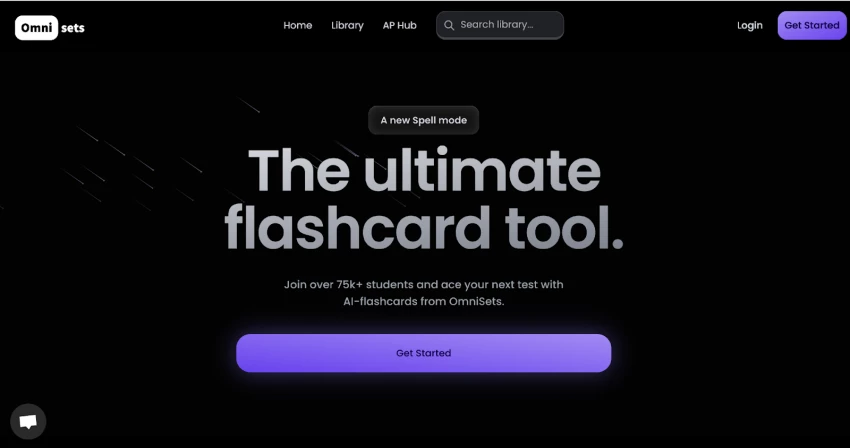
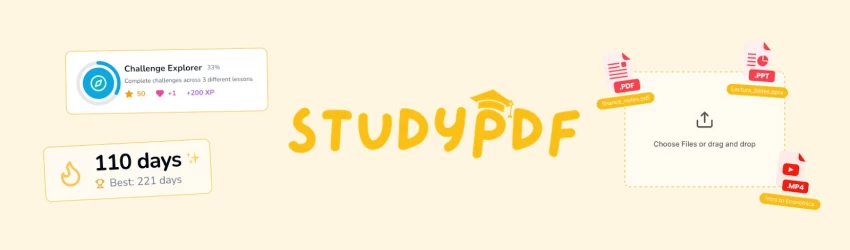
Tools like OmniSets or StudyPDF appeal to students who already understand spaced repetition systems and want more manual control. These platforms often implement classic algorithms like SM-2 and focus on transparency rather than automation.
Compared to Jungle AI, these tools feel less friendly and more technical. They reward users who know what they are doing and punish those who do not. That makes them poor general replacements but excellent long term tools for disciplined learners.
A Practical Comparison
Platform
Best For
Where It Beats Jungle AI
Where It Falls Short
Jungle AI
Converting materials into practice fast
Video to quiz flow, adaptive pacing
Free tier limits, collaboration
Knowt
Unlimited generation
No caps, Quizlet imports
Less guided repetition
Gizmo
Mobile study
Lightweight and fast
Limited depth
Revisely
Exam prep
Structured testing
Less flexible
Studydrive
Peer driven study
Shared resources
Inconsistent quality
OmniSets
Advanced learners
Full control
Steep learning curve
Final Perspective
Jungle AI remains one of the most effective tools for turning passive material into active study assets. Its alternatives do not invalidate it. They expose its boundaries.
Students choosing between Jungle AI and its competitors are not choosing quality. They are choosing philosophy. Automation versus control. Structure versus freedom. Individual optimization versus shared knowledge.
Understanding that distinction does more for study outcomes than chasing the newest AI feature ever will.






Discussion