Tools that promise savings always arrive with optimism baked into their branding. Kupon AI enters the space with a familiar pitch. Use artificial intelligence, surface hidden promo codes, and reduce what people pay on Amazon and similar platforms. The idea itself is not new. What makes Kupon AI interesting is not what it claims to do, but how restrained its actual footprint is compared to the noise around it.
This article is not about whether Kupon AI can occasionally save money. It can. The more important question is whether it deserves trust, how it actually works in practice, and where it fits among existing coupon and price tracking tools.
What Kupon AI Actually Is
At its core, Kupon AI is a promo code discovery layer. It does not process payments. It does not connect directly to a user’s Amazon account. It does not automate checkout. Instead, it scans publicly available promotions, filters them using automated verification, and presents codes that users manually apply.
This distinction matters. Kupon AI does not behave like a browser extension that injects itself into checkout flows. It behaves more like a search and alert system that sits one step away from the transaction.
That design choice reduces risk but also limits power.
How the Platform Works in Reality
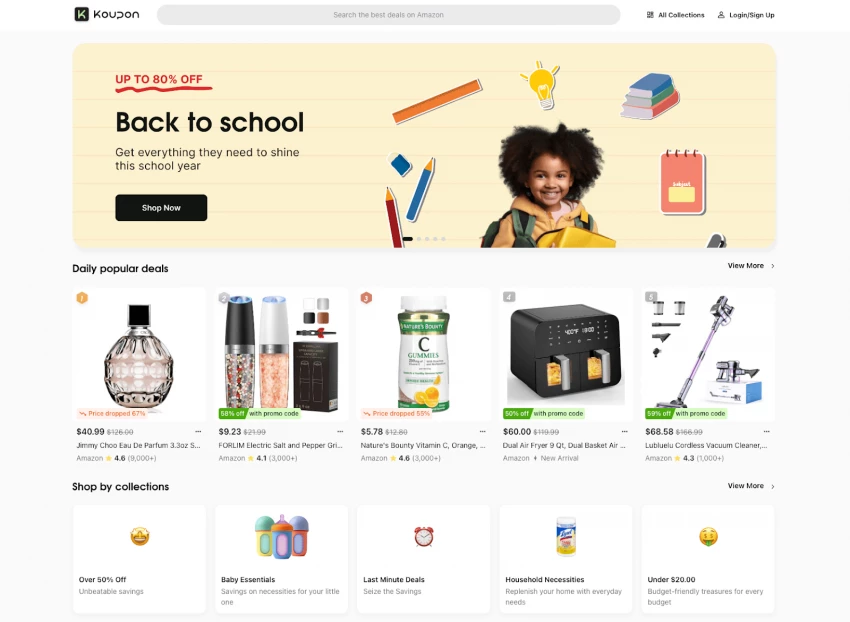
In practical use, Kupon AI feels closer to a deal discovery dashboard than an automation engine. Users search for products or categories, review available discounts, and copy codes manually at checkout.
There is no account linking. There is no requirement to share payment details. From a privacy standpoint, this is a conservative model, which is a positive signal in a space where many tools quietly harvest behavioral data.
The tradeoff is friction. Savings are not applied automatically. Users must still pay attention.
The Role of AI and Where It Stops
Kupon AI markets itself as AI driven, which invites scrutiny. Based on available behavior and documentation, the artificial intelligence component appears focused on pattern recognition and verification, not prediction or negotiation.
The system monitors price changes, identifies recurring promotional structures, and removes expired codes faster than manual coupon sites. That is useful. It is also not revolutionary.
There is no evidence that Kupon AI negotiates discounts, influences pricing, or accesses private merchant data. The AI label should be understood as optimization, not magic.
Kupon AI vs Koupon AI
Most people confuse between Kupon AI and Koupon AI most of the time. They are two distinct deal/coupon platforms with somewhat overlapping goals, but different approaches and branding:
Kupon AI
Primary role: An AI-powered deal aggregator and shopping platform that helps you discover discounted products (often from multiple sellers/manufacturers) and coupon deals.
How it works: It crawls various marketplaces, shows discounted listings, and tries to match you with good deals — sometimes with promo codes or price comparisons.
Focus: More like a product deals marketplace — showing you cheap items and savings opportunities.
USP versus plain coupon sites: Presents aggregated products with price drops and helps you bypass expired offers.
In simple terms: Kupon AI is like a smart deals browsing tool . It focuses on finding discounted products overall, not just coupon codes.
Koupon AI
Primary role: An AI-based coupon and promo code finder that mainly focuses on discovering and verifying working discount codes, especially for marketplaces like Amazon.
How it works: It scans and verifies promo codes in real time so you aren’t wasting time on expired or invalid codes.
Focus: More of a coupon directory with verification and deal alerts/bundles.
Extras: Often comes with app support and alerts for trending deals or flash sales.
In simple terms: Koupon.ai is like a smarter coupon code search engine — its main mission is to find and validate promo codes.
User Reviews and the Trust Gap
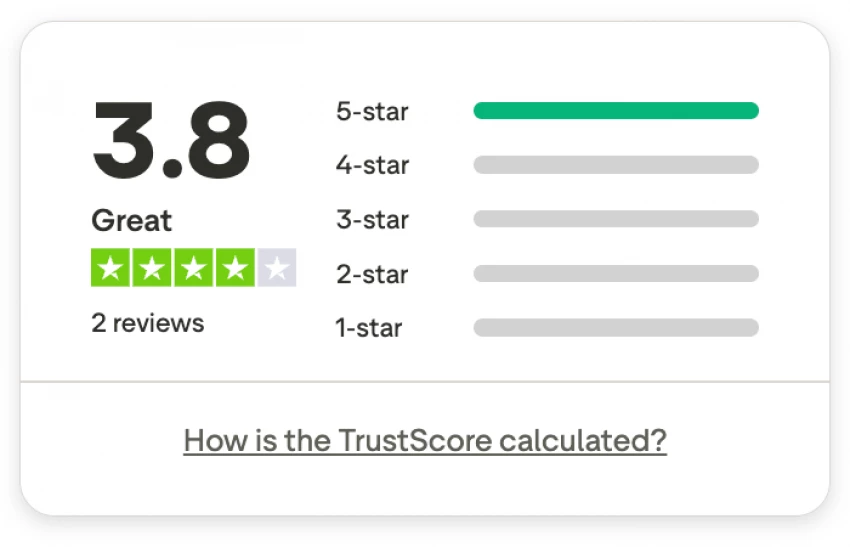
One of the most noticeable things about Kupon AI is how little independent feedback exists. Trustpilot currently shows only two reviews, both positive, both written in a tone that reads enthusiastic but generic.
This does not automatically invalidate them. It does raise questions.
Two reviews is not a meaningful sample size for a consumer tool claiming widespread adoption. When reviews cluster tightly around praise with no neutral or critical counterbalance, skepticism is reasonable.
There are no widespread scam reports. There are also no large bodies of organic criticism. What exists instead is a review vacuum, which often indicates a platform that is either early stage or lightly used.
Where Kupon AI Sits Compared to Its Alternatives
Kupon AI is not competing with nothing. It sits in a crowded field.
PayPal Honey focuses on automation. Codes are tested automatically. Price history is visible. The user does less work.
CamelCamelCamel does not care about coupons at all. It focuses on historical pricing, which is often more reliable than promo codes.
Capital One Shopping blends price comparison with delayed rewards, trading immediacy for long term value.
Vipon targets Amazon aggressively but skews toward promotional listings that benefit sellers as much as buyers.
Compared to these tools, Kupon AI’s main advantage is restraint. It does not embed deeply. It does not require financial integration. It does not push aggressively.
Its main disadvantage is that it asks users to stay involved.
Why Some Users Prefer Kupon AI Anyway
Despite its limitations, Kupon AI appeals to a specific type of shopper. These are users who want visibility without surrendering control.
They do not want extensions running in the background. They do not want accounts linked. They are comfortable copying a code if it saves money. For them, Kupon AI feels lightweight and optional rather than invasive.
That is not mass market appeal. It is niche appeal.
Where the Platform Falls Short
Kupon AI does not solve the hardest problems in deal hunting.
It does not guarantee the lowest possible price. It does not prevent sellers from inflating prices before discounting. It does not remove the need to verify final totals manually.
There are also reports of occasional invalid codes, which suggests that verification is probabilistic, not absolute.
None of this makes the platform deceptive. It makes it incomplete.
Final Assessment
Kupon AI does not show clear signs of being unsafe or fraudulent. It also does not show signs of being essential.
It works as advertised in a limited sense. It surfaces real discounts. It avoids aggressive data collection. It does not automate beyond its comfort zone.
The lack of broad independent reviews suggests caution, not alarm. The platform feels early, quiet, and deliberately modest.
For users who want light assistance without deep integration, Kupon AI can be a practical addition. For users expecting automation, guarantees, or dramatic savings, it will feel underpowered.
The most accurate way to view Kupon AI is not as a breakthrough, but as a tool that stays in its lane. Whether that lane is useful depends entirely on how much control a shopper wants to keep.










Discussion