
OpenAI is deepening its push into AI-powered cybersecurity just as European regulators increase scrutiny of advanced AI systems and Anthropic’s Mythos model continues to reshape discussions around digital infrastructure risks.
The broader debate intensified this week after European Union officials confirmed they are in talks with both OpenAI and Anthropic regarding access, transparency, and oversight of frontier AI systems. EU officials said OpenAI has been more proactive in offering access to its latest models, while discussions with Anthropic remain at an earlier stage.
At the same time, OpenAI is expanding availability of its specialized cybersecurity-focused AI models following the industry reaction to Anthropic’s highly restricted Mythos system.
OpenAI recently introduced GPT-5.5-Cyber, a specialized version of GPT-5.5 designed for defensive cybersecurity workflows such as vulnerability discovery, malware analysis, exploit validation, and threat simulation.
The model is being distributed through OpenAI’s Trusted Access for Cyber program, which limits access to vetted cybersecurity professionals and organizations.
According to OpenAI, the goal is to help defenders identify software vulnerabilities before attackers can exploit them. The company says the model is optimized for legitimate security research while maintaining safeguards intended to reduce abuse risks.
The release came shortly after Anthropic unveiled Mythos Preview, a cybersecurity-oriented Claude variant that reportedly demonstrated the ability to identify previously unknown vulnerabilities across widely used systems. Anthropic limited access to a small group of companies and government-related partners because of concerns over misuse potential.
Anthropic’s Mythos announcement triggered strong reactions across banks, infrastructure operators, regulators, and cybersecurity firms.
Reports suggested the system could uncover complex vulnerabilities in operating systems, enterprise software, and infrastructure environments at a scale far beyond traditional human security auditing.
That created fears that advanced AI systems could dramatically accelerate offensive cyber capabilities.
Several governments and financial institutions reportedly began reassessing cyber preparedness after the release. Discussions around AI oversight also intensified in Washington and Europe.
However, cybersecurity researchers later argued that some of the panic surrounding Mythos may have been overstated.
Security firms told CNBC and other outlets that similar vulnerability discovery results could already be reproduced using existing OpenAI and Anthropic models when combined through orchestration techniques.
That distinction matters because it suggests the industry may already be entering the “AI-assisted cyber operations” era even without access to highly restricted frontier systems.
The European Commission confirmed ongoing talks with OpenAI and Anthropic as regulators attempt to better understand the risks and capabilities of frontier AI systems.
EU officials specifically noted that OpenAI has actively engaged with regulators and expressed willingness to provide model access for evaluation purposes. Anthropic has reportedly participated in several meetings as well, though no agreement regarding model access currently exists.
The timing reflects growing international concern about the cybersecurity implications of advanced AI systems.
European policymakers are increasingly treating frontier AI as both an economic technology issue and a national infrastructure issue. Cybersecurity, banking stability, public infrastructure, and critical software systems are becoming central to AI policy discussions.
The OpenAI and Anthropic responses reveal two emerging approaches to frontier cybersecurity AI.
| Company | Strategy |
|---|---|
| OpenAI | Broader controlled deployment to vetted defenders |
| Anthropic | Highly restricted access due to capability concerns |
| Governments | Increased oversight and model evaluation |
| Security firms | Focus on AI-assisted defensive workflows |
Anthropic has emphasized caution and restricted distribution. OpenAI appears more willing to scale deployment under structured access programs.
Both companies, however, acknowledge the same underlying reality: advanced AI systems are rapidly becoming capable of identifying and exploiting software weaknesses at machine speed.
The debate is larger than software vulnerabilities alone.
AI models are increasingly able to reason through complex systems, identify hidden relationships, automate technical workflows, and discover weaknesses across large environments. Cybersecurity is simply the first area where those capabilities are becoming highly visible.
Experts increasingly believe future AI competition will involve not only chatbot quality or reasoning benchmarks, but also control over infrastructure security, cyber defense tooling, vulnerability research, and national-level resilience.
That is why regulators, banks, cloud providers, and governments are now treating frontier AI models less like traditional software products and more like strategic infrastructure technologies.
The current OpenAI, Anthropic, and EU discussions suggest the industry is entering a new phase where cybersecurity capability may become one of the defining measurements of frontier AI power itself.

New Claude Model Targets Agentic AI WorkflowsAnthropic has launched Claude Sonne...
Samuel Osei3 months ago

Gemini’s Image Tools Get a Wider RolloutGoogle is expanding access to Gemini’s p...
Alexander Hughes3 months ago

Two AI video generators, two very different first days. I ran PixVerse through i...
Alexander Hughes3 months ago
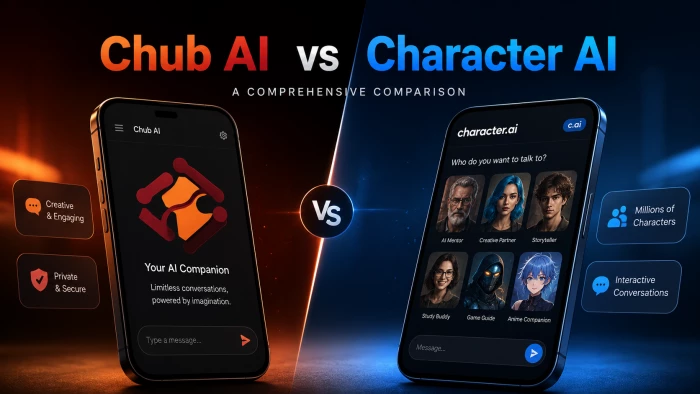
Two of the most talked-about AI chat platforms. I opened both, picked a characte...
Alexander Hughes3 months ago

The two-minute versionIf you only read one thing, read this. The rest of the doc...
Alexander Hughes3 months ago
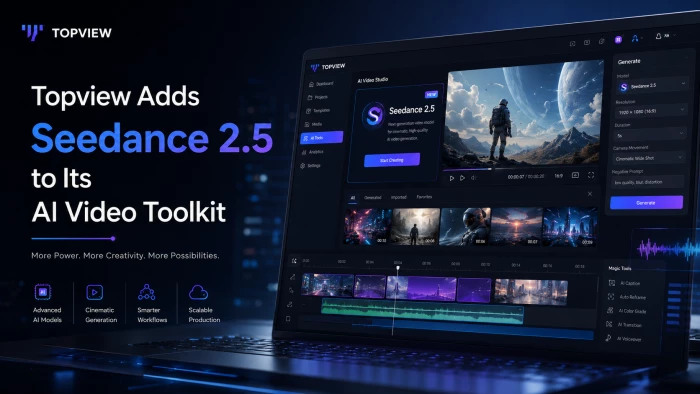
Why Seedance 2.5 mattersSeedance 2.5 is the latest release in ByteDance’s Seedan...
Alexander Hughes3 months ago
Discussion