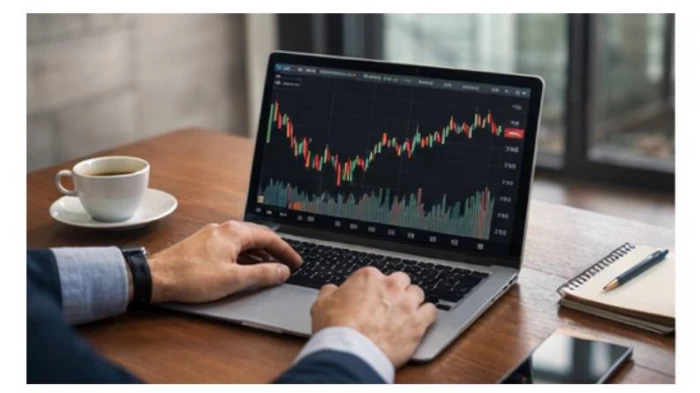
Intraday trading, also called day trading, involves buying and selling financial instruments within the same trading day. All positions are closed before the market closes, which eliminates overnight risk.
The goal is to benefit from short-term price movements in stocks, indices, currencies, or commodities. Unlike long-term investing, intraday trading requires continuous monitoring, quick decision-making, and disciplined execution.
From observing traders over time, success in intraday trading depends far more on risk control and process discipline than on predicting market direction.
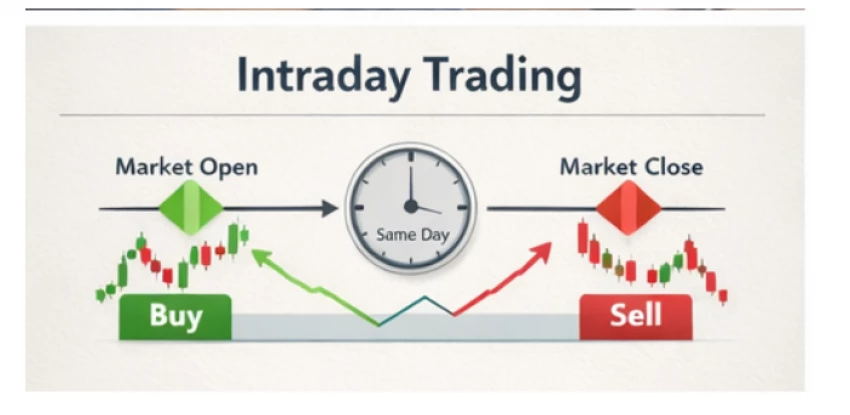
Intraday trading attracts both beginners and experienced traders because it offers:
● The opportunity to profit from daily market movements
● No need to hold positions overnight
● The ability to start with relatively small capital
● Fast development of analytical and decision-making skills
However, it is important to remember that high potential returns come with high risk, especially for traders who enter without preparation or a clear strategy.
These principles are widely accepted and practically tested. They form the real foundation of profitable intraday trading.
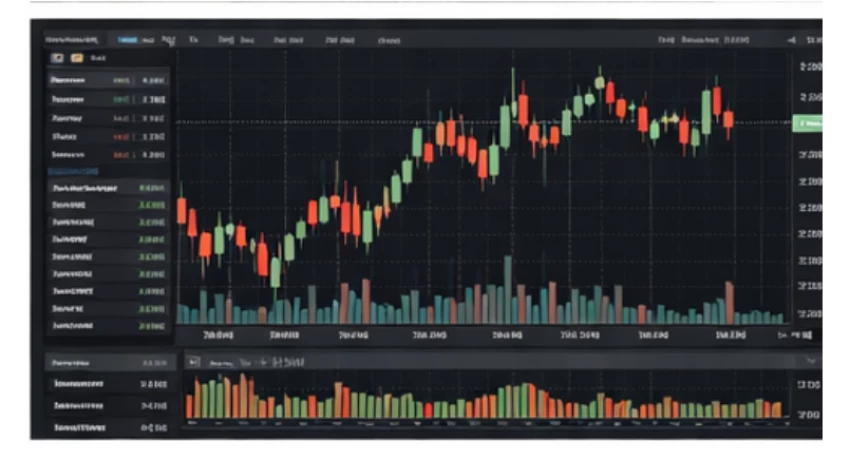
A reliable trading platform is essential. Based on general industry standards, a good platform should provide:
● Fast and reliable order execution
● Real time price data and charts
● Transparent brokerage and fees
● A stable interface that works well during volatile markets
Examples vary by region, but traders should always choose regulated and well known platforms rather than relying on unofficial or unrelated websites.
One of the biggest differences between consistent traders and losing traders is the presence of a written trading plan.
A proper trading plan includes:
● Clear entry conditions
● Defined exit rules
● Fixed stop loss and profit targets
● A rule for capital allocation per trade
From personal observation, most losses happen not because the strategy failed, but because the trader ignored the plan.
Technical indicators alone are not enough. Market sentiment plays a crucial role in intraday price movements.
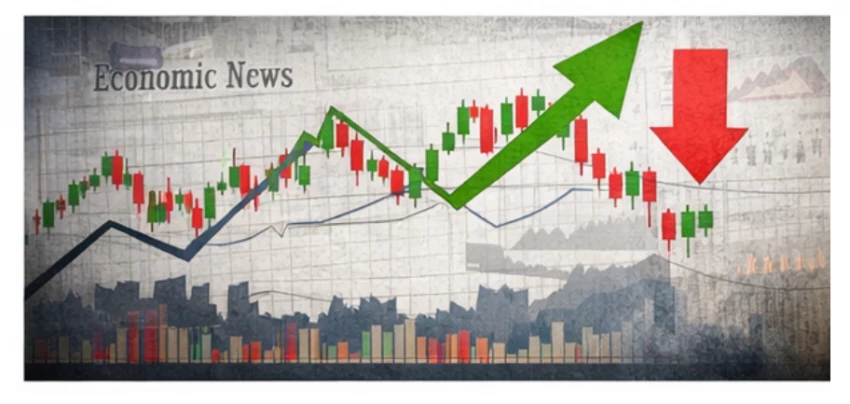
Traders should regularly track:
● Economic news and announcements
● Sector specific developments
● Overall market direction using major indices
Ignoring sentiment often leads to entering trades against the broader market flow.
Indicators are tools, not guarantees. The most practical indicators for intraday trading include:
● Moving averages to identify trend direction
● Relative Strength Index to measure momentum
● Volume analysis to confirm price movement strength
Using too many indicators usually creates confusion rather than clarity.
The most damaging errors include:
● Overtrading without valid setups
● Trading based on emotions rather than rules
● Ignoring stop loss levels
● Attempting to recover losses impulsively
Avoiding these mistakes can significantly improve long term results.
Risk management is not optional. It is the foundation of survival in intraday trading.
Effective practices include:
● Limiting risk to a small percentage of total capital per trade
● Maintaining a favorable risk to reward ratio
● Setting a maximum daily loss limit
Even the best strategy fails without proper risk control.
Successful intraday traders focus on timing and confirmation.
Common methods include:
● Breakouts with strong volume
● Pullback entries in trending markets
● Avoiding low liquidity periods during the trading session
Scalping strategies can work but require speed, discipline, and low transaction costs.
Markets change frequently. What works in one phase may not work in another. Traders must review performance, adapt strategies, and continue learning without abandoning discipline.
Instead of relying on questionable website associations, traders benefit more from established tools such as:
● Charting platforms for technical analysis
● Economic calendars for tracking events
● Trading journals to review performance and mistakes
These tools support long term improvement rather than short term hype.
A typical intraday trade may involve:
● Identifying a stock with strong momentum
● Waiting for confirmation near a key level
● Entering with a predefined stop loss
● Exiting according to the trading plan
The focus should always remain on execution quality, not on chasing large profits.
Intraday trading is not about shortcuts or guaranteed profits. It requires patience, discipline, continuous learning, and emotional control.
After reviewing the site “Profitable Intraday Trading Advice 66unblockedgames.com”, it is clear that:
● The trading concepts are mostly generic but valid
● The website association is misleading
● Real success comes from skill and experience, not from SEO driven titles
Based on my own review, anyone serious about intraday trading should focus on verified knowledge, practical tools, and disciplined execution rather than relying on unrelated websites or exaggerated claims.

Late at night, after the usual AI companion ads blur together, PepHop AI shows u...
Funke Ogunleye1 day ago

Imagine you open a new tab, type “opendream.ai”, and instead of being greeted by...
Samuel Osei2 days ago

Grubby AI is one of those tools that only exists because of a very 2025 problem:...
Funke Ogunleye2 days ago

Meet Muke AIMuke AI is an AI‑powered image manipulation suite best known for two...
Sandra Campos3 days ago

If your marketing currently lives in a chaotic mix of ChatGPT, Canva, random sch...
Samuel Osei3 days ago

Janitor AI doesn’t feel like “a chatbot platform.”It feels like walking into a l...
Sandra Campos4 days ago
Discussion