
Very few software download websites have managed to stay relevant across three different internet generations. Softonic is one of them.
Launched in the late 1990s, the Barcelona-based platform helped millions of users discover software long before official app stores became the default. Even today, it remains one of the most heavily visited software directories in the world.
But scale is only half the story.
Softonic also carries one of the most persistent reputation debates in the download ecosystem. For some users, it is a convenient discovery hub. For others, it is still remembered for practices that damaged trust more than a decade ago.
To understand where Softonic truly stands in 2026, you have to separate its past from its present.
Official website: https://www.softonic.com/
Softonic began in 1997 as a university project created by Tomás Diago in Barcelona. At the time, finding safe software downloads online was messy and inconsistent. The platform’s early success came from solving a simple but important problem.
It organized software into clear categories, localized content into multiple languages, and created a central place where users could browse programs without jumping between dozens of developer sites.
As internet adoption accelerated globally, especially in non-English markets, Softonic expanded quickly. By the early 2010s, the site had grown into one of the largest software directories on the web, with particularly strong traction in emerging regions.
Its growth was not accidental. It rode the exact moment when global software discovery was still fragmented.
Softonic’s trajectory shifted significantly between roughly 2007 and 2015. During this period, the company introduced the Softonic Downloader, a proprietary installer that wrapped many downloads instead of sending users directly to the original developer files.
From a business standpoint, this created new monetization opportunities. From a user trust standpoint, it created long-term damage.
The installer sometimes included bundled toolbars or ad-supported components. Some users reported unexpected browser changes or performance slowdowns after installation. Security vendors such as Malwarebytes later categorized the downloader as a potential unwanted program. It was not classified as malware, but the association with adware behavior stuck.
The backlash was substantial.
In 2014, Google pulled advertising support from Softonic, which hit revenue hard. By the following year, the company had reduced its workforce significantly. The episode became the defining reputation moment for the platform.
Facing both financial and reputational pressure, Softonic made a decisive shift in early 2015. New leadership stepped in and one of the first major moves was to permanently retire the Softonic Downloader.
The platform returned to a direct-download model, meaning users would again receive the original installer from the software developer rather than a Softonic wrapper.
At the same time, the company broadened its focus. Editorial reviews, comparison content, and mobile app coverage became larger parts of the strategy. Softonic also worked to rebuild advertising relationships and diversify revenue streams.
From a technical standpoint, the cleanup was clear and immediate. From a perception standpoint, recovery proved slower and more complicated.

Today’s Softonic operates less like a classic download wrapper site and more like a hybrid software discovery and content platform.
The catalogue now includes more than one million programs and mobile apps across Windows, Mac, Android, and iOS. The site is available in over 17 languages and maintains particularly strong traffic from mobile users.
One notable trend is the platform’s continued popularity in markets like India and parts of Asia, where software discovery portals still see heavy usage.
Functionally, the modern Softonic experience is closer to a review-driven directory than the installer-focused model that once caused controversy.
Softonic’s revenue model has also matured. The company no longer relies on bundled installers as a primary income source.
Instead, its monetization now comes from a mix of digital advertising, affiliate partnerships with software vendors, sponsored placements, and featured listings. The company has also expanded into B2B software advisory through its Appvizer acquisition and manages additional tech properties including Download.com.
Financial reports indicate the business generated roughly €28.4 million in revenue in 2024, marking its strongest performance since before the downloader controversy.
From a financial stability perspective, the company appears firmly operational.
Despite the structural changes, user sentiment across the web remains cautious.
A significant portion of skepticism comes from historical memory rather than current technical behavior. Many long-time users still associate Softonic with bundled software experiences from the early 2010s. In online forums and video discussions, advice to prefer official developer downloads remains common.
Another recurring friction point is interface design. Some users report that advertisement-style download buttons can still create confusion, particularly for less technical visitors.
To be fair, positive feedback does exist. Many users value the platform’s large catalogue and multilingual coverage. But the overall reputation picture remains mixed rather than fully rehabilitated.
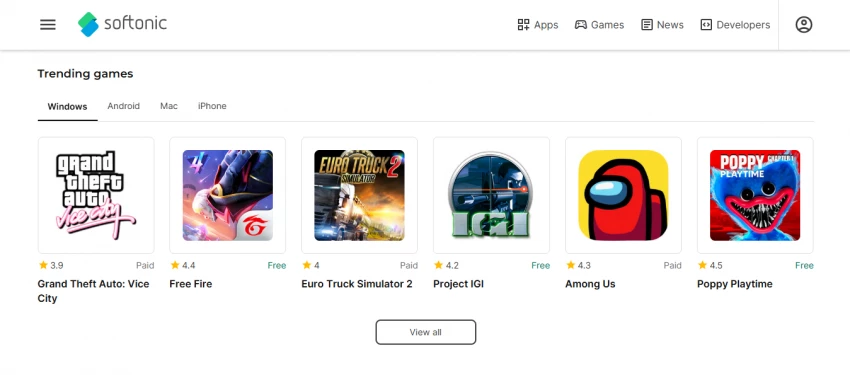
In practical terms, Softonic can still be useful in several scenarios. It works well as a discovery engine for finding new software, comparing alternatives, and reading editorial summaries. For early-stage research, the breadth of its catalogue remains a strength.
However, there are situations where caution continues to make sense. Downloading security-critical tools, enterprise software, or sensitive utilities is generally safer directly from official developer websites. Less technical users may also find ad-heavy layouts slightly confusing compared to cleaner app store environments.
The platform is best understood as a research and discovery layer rather than the default download source for mission-critical software.
Softonic in 2026 is not the same platform that triggered controversy a decade ago. The company has clearly removed the practices that caused the most damage and rebuilt its business around content, advertising, and partnerships.
However, rebuilding infrastructure is faster than rebuilding trust.
Today, Softonic sits in a nuanced position. It is legitimate, widely used, and financially stable, yet still viewed cautiously by many experienced users. That tension between operational reality and historical perception continues to define the brand.
The most balanced approach is straightforward. Softonic is useful for discovering software and reading reviews. When it comes to downloading important applications, official developer sources and carefully vetted platforms remain the safer default.
In many ways, Softonic’s current story is less about what the company is doing today and more about how long the internet remembers what it did yesterday.

Meta has agreed to acquire Manus, a Chinese founded artificial intelligence...
John Nyarko1 month ago
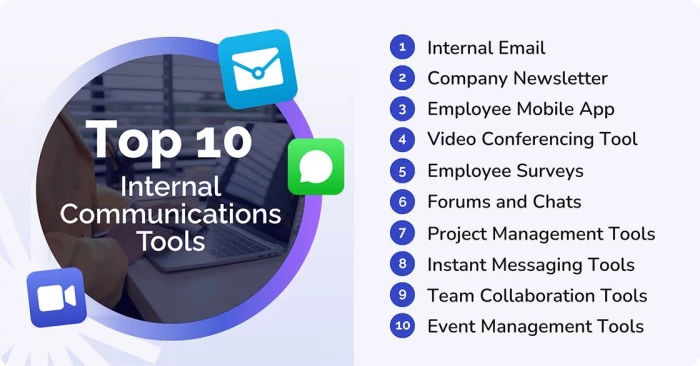
In today’s fast-paced digital workplace, communication software plays a critical...
John Nyarko2 months ago
Discussion