Students don’t need more apps. They need fewer tools that actually fit how studying, writing, and research really happen.
Most AI tools aimed at students fail for one of two reasons: they either try to replace thinking entirely, or they automate things students were never struggling with in the first place.
The useful ones do something more subtle. They remove friction — summarizing dense material, keeping writing clean, surfacing relevant research — without pretending to do the intellectual work for you.
This article looks at five AI tools that actually help students study, write, and research smarter, based on how they’re used in real academic workflows, not how they’re marketed.
What “Useful” AI Looks Like for Students
Before naming tools, it’s worth setting boundaries.
Good academic AI tools share a few traits:
● they support thinking instead of replacing it
● they make outputs easy to verify and edit
● they fit into existing study habits instead of forcing new ones
● they don’t push students toward plagiarism by default
Anything that generates full essays with no transparency isn’t a study aid — it’s a liability.
With that lens, here are the tools that consistently hold up.
Grammarly — For Cleaning Writing, Not Writing for You
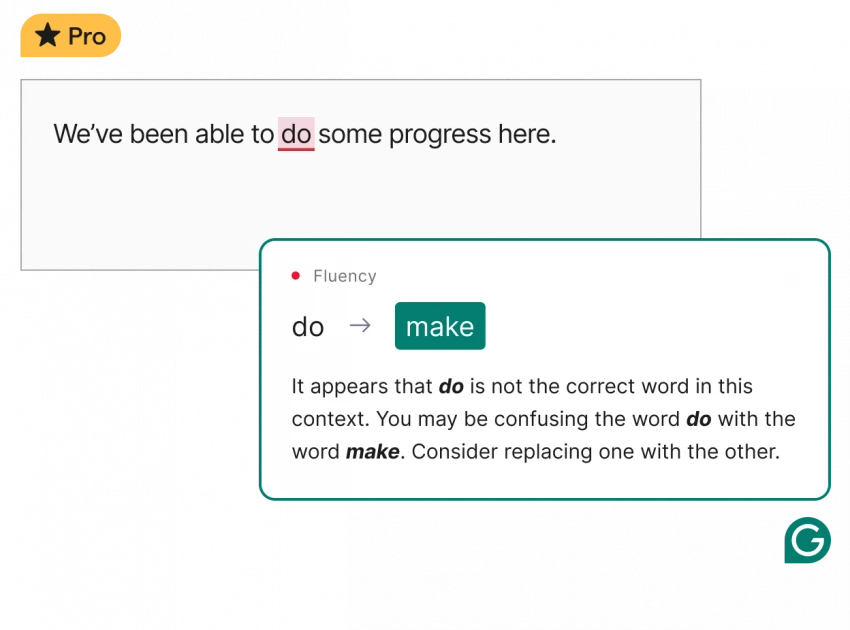
Grammarly is still one of the few tools that does exactly what students need it to do — and mostly stays out of the way.
Its real value isn’t grammar correction (most students already write decently). It’s clarity. Grammarly catches sentence-level problems that creep in during late-night writing sessions: awkward phrasing, inconsistent tone, missing articles, run-on sentences.
Importantly, it doesn’t try to invent arguments. It improves what’s already there.
That makes it safer in academic settings than generative tools that rewrite entire paragraphs. Most universities are far more tolerant of language assistance than content generation, and Grammarly sits comfortably in that category.
The free version is enough for basic assignments. Premium becomes useful when students are writing longer reports or theses, especially since student discounts are available.
QuillBot — When You Need to Rephrase Without Losing Meaning
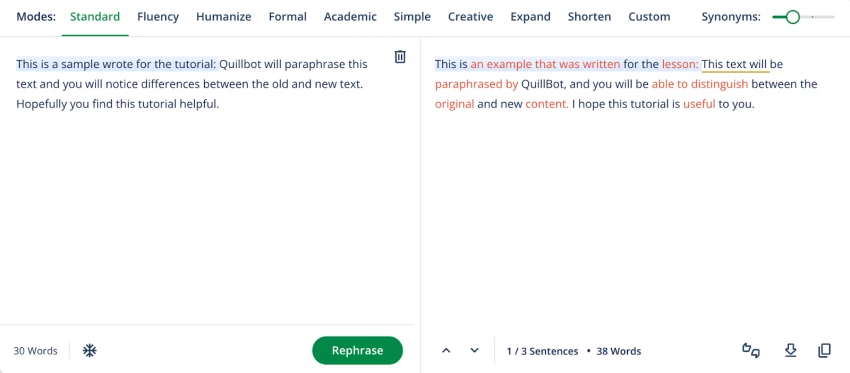
QuillBot is often misunderstood as a shortcut tool. Used poorly, it absolutely can be. Used correctly, it fills a very specific gap: rewriting while preserving intent.
Students regularly struggle when they understand something but can’t express it cleanly — especially non-native English speakers. QuillBot’s paraphrasing modes help restructure sentences without turning them into generic filler.
The key limitation (and strength) is that it works sentence by sentence. It doesn’t build arguments or organize ideas. That forces students to stay involved in the process, which is exactly why it’s still defensible academically.
The free plan is restrictive, but usable. Premium mainly removes friction rather than adding new capabilities.
Perplexity AI solves a problem Google never really fixed: quickly understanding a topic without drowning in tabs.
Unlike most chat-based tools, Perplexity cites sources by default. That single design choice changes how students use it. Instead of copying answers, they use it to:
● get a high-level overview of unfamiliar topics
● identify relevant papers and articles
● sanity-check facts before deeper reading
It’s especially useful early in the research process, when students are still figuring out what questions to ask.
Perplexity doesn’t replace academic databases, and it shouldn’t. But as a starting layer for research, it’s one of the few AI tools that encourages verification instead of discouraging it.
Elicit — When Research Gets Too Big to Manage Manually
Elicit is not for casual assignments. It becomes useful when students hit a wall with volume — too many papers, too many abstracts, too much repetitive scanning.
Instead of summarizing everything, Elicit extracts structured information from academic papers:
● methods
● sample sizes
● key findings
● limitations
This makes it particularly useful for literature reviews, capstone projects, and graduate-level work.
It doesn’t write sections or generate claims. It helps students see patterns across papers faster, which is exactly where most research time is actually lost.
The free tier is limited but functional. Paid plans mainly unlock deeper and broader searches.
Notion AI — For Organizing Thinking, Not Just Notes
Most students don’t fail because they don’t study enough. They fail because their notes are scattered, inconsistent, and impossible to revisit later.
Notion AI works best when it’s embedded into a broader system:
● summarizing messy notes after lectures
● turning reading notes into structured outlines
● generating task lists from syllabi or project briefs
On its own, Notion AI isn’t revolutionary. Inside a workspace that already holds class notes, readings, and deadlines, it becomes a thinking organizer.
The risk is overuse. Students who rely on it to generate content instead of structure often end up with polished nonsense. Used conservatively, it helps keep academic work coherent over long semesters.
The Ethical Line Students Actually Need to Watch
Most academic integrity issues don’t come from using AI — they come from using it invisibly.
Universities are far more concerned with tools that:
● generate original content without disclosure
● hide sources
● bypass learning objectives
The tools above generally avoid those problems because they:
● operate on existing student input
● encourage editing and verification
● don’t pretend to replace understanding
The safest rule is simple: if you can explain why you used a tool and what it changed, you’re usually fine.
Final Thought
AI isn’t changing how students think. It's exposing where time was already being wasted.
The tools that actually help aren’t the ones that promise instant essays or “perfect” answers. They’re the ones that quietly remove friction: cleaning up messy writing, surfacing relevant research, organizing ideas that would otherwise stay scattered.
Used well, AI doesn’t replace effort. It redirects it away from busywork and toward understanding. And in an academic system still built around time pressure, that difference matters more than any headline-grabbing feature.



Discussion