Character AI did something remarkable: it proved that people don’t just want “a chatbot.” They want characters. Personalities. Voices that feel like they belong to someone, not something.
Once the novelty wears off, Character AI’s flaws stand out: random filters, unreliable memory, and limited control over the model or data. It works for light, PG-13 chats, but anything deeper quickly hits restrictions. That’s why alternatives are growing, each focuses on a specific strength, whether it’s emotional support, unrestricted roleplay, or giving creators more control over their AI characters.
If Character AI feels like visiting a public arcade, Talkie is more like renting your own studio.
The core idea is simple but powerful: you don’t just talk to characters, you build them. You write the persona, define the tone, set boundaries, and decide what the AI knows about its world and relationship with you. Then, instead of being stuck with whatever the community has uploaded, you shape characters that stay consistent over time and actually feel like “yours.”
Because Talkie is built for everyday users, everything happens through a visual, no‑code interface. You can set up backstories, choose how formal or chaotic the character should sound, and refine their behavior just by chatting and editing a few settings no scripting required. Over time, your “cast” might include a teasing best friend, a fantasy mentor, or a romantic partner that keeps their personality stable across sessions.
Why it stands out as a Character AI alternative
Character AI is great for casual, one‑off fun, but it doesn’t really scale to “I want a stable cast of reusable characters that I can shape and come back to.” Talkie closes that gap. If you’re a roleplayer, fanfic writer, or just someone who wants their own AI ensemble that feels authored rather than random, this is the kind of platform that makes sense.
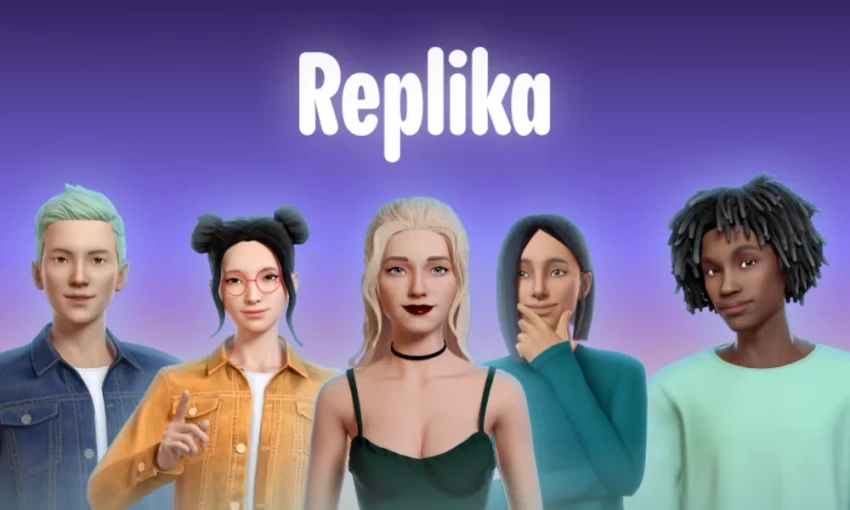
Where Character AI throws you into a marketplace of thousands of personalities, Replika takes a very different bet: one AI, over a long time, can matter more than infinite options.
You create a single companion and stick with it. That’s the design. You chat, vent, flirt, joke, journal. Replika learns from this continuous stream and tries to become more attuned to how you think, what you like, and what you’re going through. It will remember details you’ve shared, revisit topics, and gradually feel less like “a new chat” and more like an ongoing relationship.
Yes, you can tune appearance and vibe. Yes, you can push it toward more romantic or more platonic territory. But fundamentally, Replika is built around emotional continuity: knowing you over weeks and months, not just spinning up yet another edgy character for a weekend.
Why it feels different from Character AI
If you’re tired of jumping between bots in search of something that actually sticks, Replika is worth a look. It trades breadth for depth. For users who want a long‑term AI friend or partner that remembers yesterday (and last month), that’s a very smart trade.
Let’s be honest: a lot of Character AI users are there for roleplay. And a lot of them are frustrated.
You set up a scenario, get into the story, and suddenly content filters. Entire plotlines become impossible. Tone shifts from immersive to awkward. If your main goal is deep, sometimes dark, sometimes adult storytelling, that’s a deal‑breaker.
Janitor AI leans straight into that gap. Its focus is scenario‑driven, often mature roleplay. You define worlds, characters, and premises. You spin up fantasy kingdoms, cyberpunk heists, psychological dramas, or spicy romance arcs. The platform’s moderation is looser, so you can explore themes, dynamics, and intensity levels that mainstream apps shut down.
That doesn’t mean “anything goes,” but it does mean you’re treated like an adult who can set and explore your own narrative boundaries.
Why Janitor AI is a go‑to for serious roleplayers
If your frustration with Character AI is less “the model is dumb” and more “the story keeps getting censored,” this is the sort of environment that feels liberating. It’s tuned for long‑form, branching narratives not just quick banter.
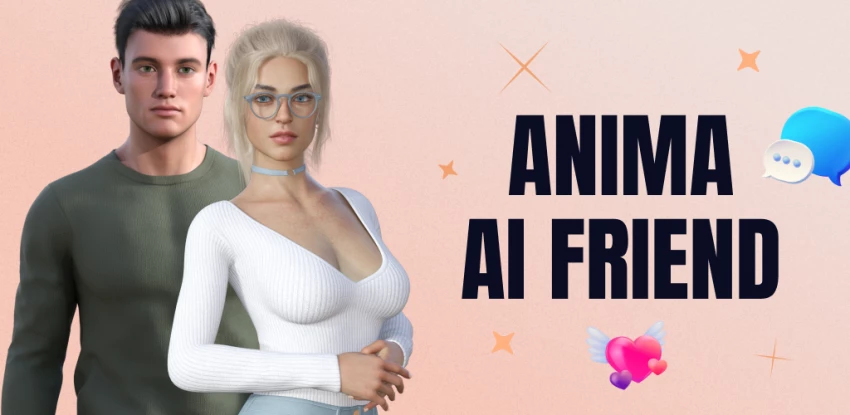
Anima AI is what happens when you take the idea of “AI partner” and give the user a mixing desk.
Instead of locking you into a fixed character, Anima lets you actively sculpt the way your AI behaves. You can dial up flirtiness, dial down seriousness, nudge them toward mentor mode, or keep them in a playful, lighthearted lane. Over time, conversations reinforce these tendencies, so the AI’s personality feels like something you’ve co‑crafted.
It’s very much aimed at emotional and romantic use, but not only that. One week your Anima might function more like a coach, helping you talk through goals and habits. Another week, it might feel more like a partner you banter and flirt with. The point is flexibility: the “who” on the other side can shift with you.
Why it’s a strong alternative
Character AI gives you lots of characters but limited deep control over how they behave long term. Anima flips that: fewer “slots,” more control. If you like the idea of one or a few AI partners whose personality you can truly shape, this model fits better.
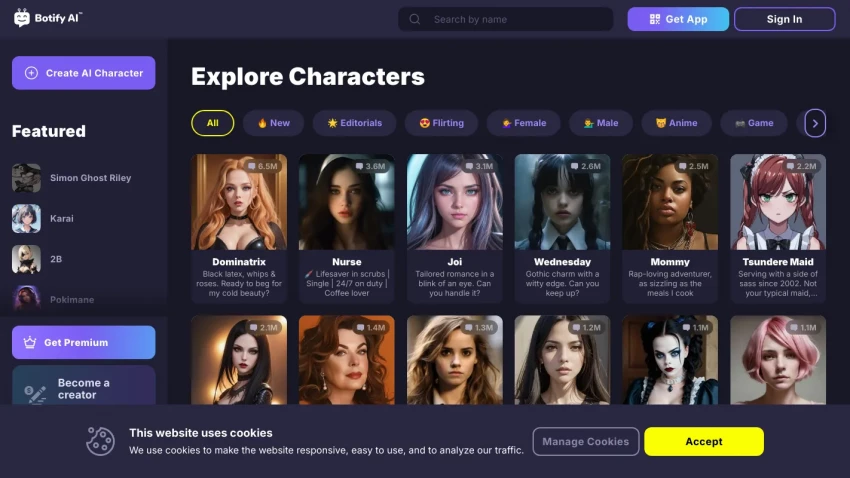
A huge chunk of AI character culture overlaps with fandom: anime, games, movies, original characters (OCs). Botify AI has become a natural home for that crowd.
Instead of saying “here’s a generic anime girl bot,” Botify invites you to inject source material: lore snippets, character descriptions, style cues, even bits of fanfic. The AI then uses that input to better simulate the character or vibe you have in mind. That can mean:
● A bot that talks like a specific type of anime protagonist
● An in‑universe NPC from your D&D campaign
● A character inspired by a franchise (within policy) who actually understands that universe’s tone
There’s also a creator‑driven community layer. People publish characters, remix them, and push the limits of what roleplay bots can do, including NSFW content for adults. The result feels more like a living fan‑fiction lab than a sanitized consumer app.
Why Botify hits a sweet spot
If your favorite part of Character AI is “I can talk to characters from my favorite universes,” but you hate how shallow or off‑canon they can feel, Botify’s reference‑driven approach is a big upgrade. It takes fandom and OC culture seriously.
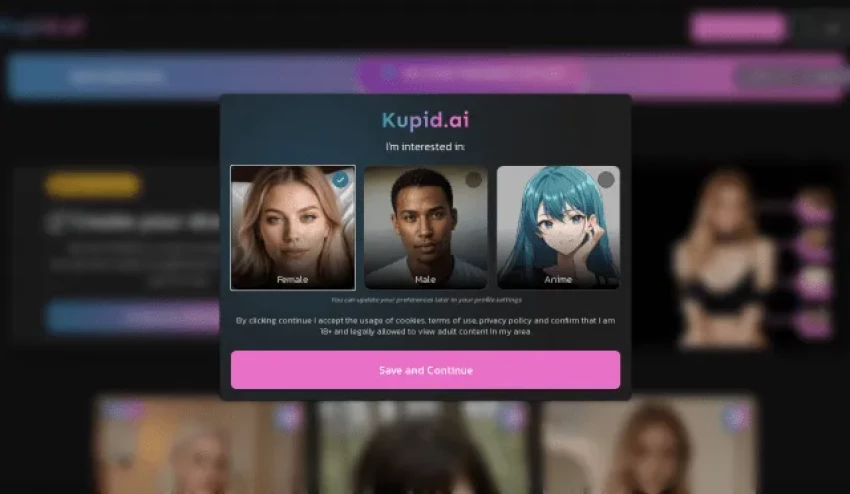
Kupid AI doesn’t pretend to be a general AI platform. It knows exactly what it is: a place for adults to build romantic and sexual relationships with AI partners.
That clarity shows everywhere. The profiles, chat flows, and features are tailored for intimacy. You design a partner's appearance, personality, dynamic and the system aims to deliver immersive, emotionally and sexually charged conversations without constantly yanking you out of the moment with warnings and blocks.
Where Character AI tries to be everything to everyone (teens, casual users, hobbyists, brands), Kupid narrows the target: consenting adults who are there specifically for romantic and erotic roleplay. That allows for more consistent behavior and fewer “why did the bot just shut down mid‑scene?” moments.
Why Kupid is the adult‑only alternative
If you’ve been trying to twist Character AI into a romantic/NSFW app and constantly find yourself fighting the system, Kupid is simply more honest about the use case. It’s built to support intimacy, not tiptoe around it.
With so many directions, creator platforms, companions, roleplay engines it’s easy to get lost. A good way to guide your readers is to break the decision into a few simple questions.
Start by asking what you actually want: if it’s building and deploying your own characters, tools like Talkie or Botify fit best; for emotional support, Replika and Anima are designed for long-term connection; and for roleplay or adult storytelling, Janitor AI, Botify AI, and Kupid AI are more suitable.
Next, consider how much control you need if you want to shape both behavior and knowledge, you’re in creator territory with platforms likeTalkie, while lighter control or casual use leans toward Anima, Replika, or Kupid.
You should also decide where you fall on the safety vs freedom spectrum: some platforms prioritize safety with more restrictions, others offer a balanced middle ground, and a few lean toward full freedom for adult users.
Finally, think long-term whether you want to build something, maintain an emotional connection, or just explore roleplay and try a few tools for a week to see which one you naturally keep coming back to.
The biggest shift in 2026 isn’t just more competition for Character AI, it’s that the market has split into clear segments. There’s no single “best alternative” anymore; instead, different platforms serve different needs. Some focus on building and deploying characters, like Talkie and Botify, others are designed as long-term companions such as Replika and Anima, and a separate group leans into roleplay and adult experiences, including Janitor AI and Kupid AI.
If you go in hunting for a perfect clone of Character AI, you’ll miss the real opportunity: to choose a platform that actually aligns with what you want from an AI character, instead of forcing everything through a one‑size‑fits‑all app.
Once your intent is clear, the right alternative stops being a mystery and starts feeling obvious.
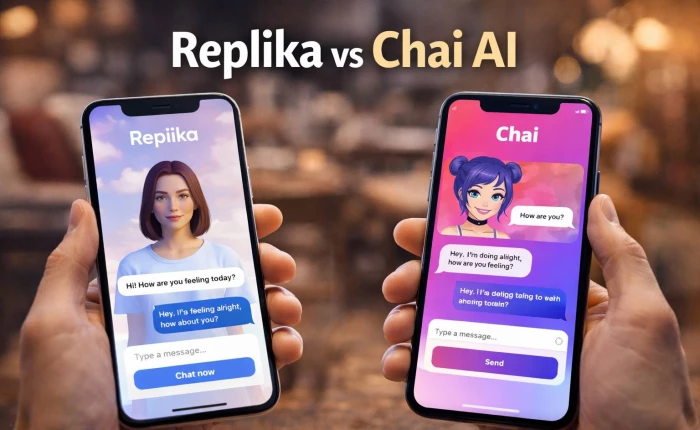
I’ve used both Replika and Chai AI side by side for a while, and the longer I ke...
Grace Howard6 hours ago

HeyGen is one of the most popular AI avatar video tools right now, but it is not...
Noura Belkacem2 days ago
AI subtitle generators have matured from “nice-to-have” add-ons to essential inf...
Sandra Campos3 days ago

AI has transformed motion graphics by automating time-consuming tasks like keyfr...
Noura Belkacem5 days ago

AI video generation has gone from experimental to essential, powering everything...
Peter Woods5 days ago
The gap between “I recorded something” and “I’m proud to publish this” used to b...
Alexander Hughes1 week ago
Discussion