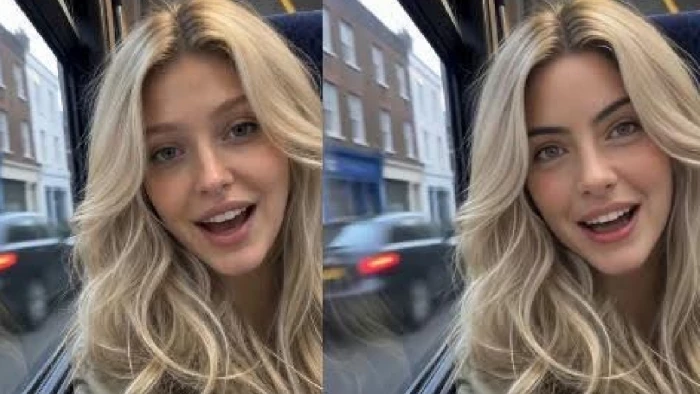
Face swap AI used to feel like the internet's favorite party trick. People used it for memes, movie scenes, cosplay, and playful edits that were easy to understand in one glance. But the technology has moved into a more serious phase. The same capability that makes creative editing faster also raises questions about consent, identity, and trust.
That is why the latest news around face manipulation matters. In July 2026, Wired reported that San Francisco officials demanded Apple and Google remove AI "nudify" apps from their app stores, citing the harm caused by non-consensual intimate deepfakes (Wired, 2026). This is not a small side issue. It is a signal that regulators and platforms are paying closer attention to how image and face editing tools can be misused.
For legitimate marketers and creators, the lesson is not to avoid face swap AI completely. The lesson is to use it with discipline. Face swap technology can be valuable when it is used with permission, creative intent, and clear boundaries. A filmmaker can preview casting ideas. A brand can test campaign concepts before booking a shoot. A creator can build fictional characters. A game studio can prototype visual identities. A localization team can adapt approved assets for different regions.
An AI face swap tool is most useful when it supports responsible creative iteration. The strongest business use cases are not about tricking viewers. They are about exploring versions of a concept quickly before spending larger production budgets. For example, a fashion brand might test several approved model looks for a seasonal campaign. A social team might create a fictional spokesperson for a themed series. A small studio might test character ideas for a pitch deck.
There is real money in that kind of workflow because visual testing is expensive. If a team has to organize a shoot every time it wants to evaluate a new campaign direction, most ideas never get tested. AI face swap can reduce that cost, helping teams decide which concepts deserve a full production push. For agencies, this can become a paid service: creative prototyping, ad concept testing, avatar design, and campaign visualization.
But the ethical line has to be visible. If a real person's likeness appears, consent should be documented. If content is synthetic, it should not imply a false endorsement. If an edit changes someone's identity in a sensitive context, it should be avoided unless there is a clear, approved reason. The European Commission's 2026 AI-generated content transparency framework also points in this direction, emphasizing labeling and disclosure obligations for deepfakes and certain AI-generated content (European Commission, 2026).
The technology is improving quickly. Better models can preserve lighting, expression, and motion more naturally than earlier tools. That improvement makes the output more useful, but it also increases the responsibility of the publisher. The more realistic synthetic media becomes, the more audiences need honesty from brands and creators.
One safer path is to build original virtual personas instead of manipulating real people without consent. Brands are already experimenting with AI-generated influencers, but media coverage has also raised concerns about disclosure and authenticity. The Guardian reported in June 2026 that some brands were using AI-generated influencer-style content in ways that could make viewers believe the people were real customers (The Guardian, 2026). That is exactly the trust problem brands should avoid.
A better strategy is to create a clearly fictional or brand-owned digital character. A virtual presenter can be designed for product explainers, campaign storytelling, or recurring social content. An AI influencer creator can help teams build this kind of persona without relying on unauthorized real-world likenesses.
_1787128418.webp)
A publishable face swap workflow should include five steps. First, create an approved asset folder with only faces, images, and videos the team has permission to use. Second, define the context before generation: ad mockup, fictional character, internal concept, or public campaign. Third, generate only within that approved context. Fourth, run a human review for identity, claims, likeness rights, and disclosure. Fifth, store the final prompt, source asset, reviewer name, and publish date in a simple content log.
For example, a fashion ecommerce brand could use face swap AI to test whether a campaign works better with a streetwear presenter, a luxury editorial presenter, or a fitness-style presenter. The brand should not publish those versions as if real customers wore the product. Instead, it can use approved model assets for internal testing, choose the best direction, and then decide whether to create a disclosed synthetic ad or book a human creator. This saves money without creating a trust problem.
Face swap AI is growing up because the market is forcing it to. The viral phase showed what was technically possible. The professional phase will be defined by what is legally safe, creatively useful, and commercially trustworthy. Brands that understand that difference can still use the technology to save money, test faster, and build better visual stories.
I started exploring Redeepseek.io because the name itself creates curiosity. At...
Grace Howard3 months ago

Nomi AI isn’t just another chatbot; it’s a full‑blown AI companion platform buil...
Alexander Hughes5 months ago

Artificial intelligence was originally built to support human decision-making. E...
Peter Woods5 months ago
Speech-to-text technology has matured significantly over the past few years. Wha...
Grace Howard5 months ago

Anthropic has accused three prominent Chinese AI companies of systematically “mi...
Sandra Campos6 months ago
In what might be the most unexpected AI benchmarking milestone of 2026, Elon Mus...
Peter Woods6 months ago
Discussion