Managing several social media accounts at the same time can quickly become complicated. Businesses and creators often need to publish content across platforms such as Instagram, Facebook, LinkedIn, TikTok, and X while also tracking engagement and audience growth. Social media management tools were created to simplify that process by bringing scheduling, analytics, and collaboration into one dashboard.
Two platforms that frequently appear in discussions about social media management are Buffer and Hootsuite. Both tools allow users to schedule posts, monitor engagement, and manage multiple accounts from a single interface. Despite these similarities, the platforms are built for different types of users and workflows.
Buffer focuses on simplicity and publishing efficiency. It is widely used by creators, freelancers, and small teams that want an easy way to schedule posts and maintain a consistent publishing schedule. Hootsuite takes a broader approach and positions itself as a full social media marketing platform with monitoring tools, analytics dashboards, and collaboration features.
Understanding how these tools differ is important because the best choice depends largely on how complex your social media strategy is.
Buffer began as a lightweight scheduling tool designed to help users publish social media content more efficiently. Over time it evolved into a platform that includes analytics, content planning, and team collaboration features.
However, the product philosophy remains focused on simplicity. The interface is minimal and easy to navigate. Users can schedule posts, organize publishing queues, and track engagement metrics without navigating a complex dashboard.
Because of this design approach, Buffer has become especially popular among independent creators, small businesses, and startups that want a straightforward social media workflow without advanced marketing automation.
Hootsuite approaches social media management from a broader marketing perspective. Instead of focusing primarily on publishing, the platform aims to help teams manage conversations, monitor brand mentions, and track campaign performance across multiple networks.
One of Hootsuite’s defining features is its multi stream dashboard. Users can monitor comments, messages, hashtags, and mentions from different social platforms in real time. This allows brands to track audience reactions and respond quickly to engagement.
Hootsuite also provides advanced analytics and reporting tools that help marketing teams evaluate campaign performance and generate detailed reports for clients or internal stakeholders.
These capabilities make Hootsuite particularly attractive for marketing agencies and organizations managing large scale social media campaigns.
Buffer vs Hootsuite: Key Differences
| Feature | Buffer | Hootsuite |
| Primary Focus | Simple scheduling and publishing | Full social media management |
| Target Users | Creators, freelancers, small businesses | Agencies and enterprise teams |
| Interface | Clean and minimal | Multi stream dashboard |
| Learning Curve | Very easy | Moderate to complex |
| Analytics Depth | Basic to moderate | Advanced reporting tools |
| Free Plan | Yes | No |
This comparison highlights a clear difference in philosophy. Buffer prioritizes simplicity, while Hootsuite prioritizes marketing control and analytics.
Scheduling posts is the core function of both tools, but the user experience differs.
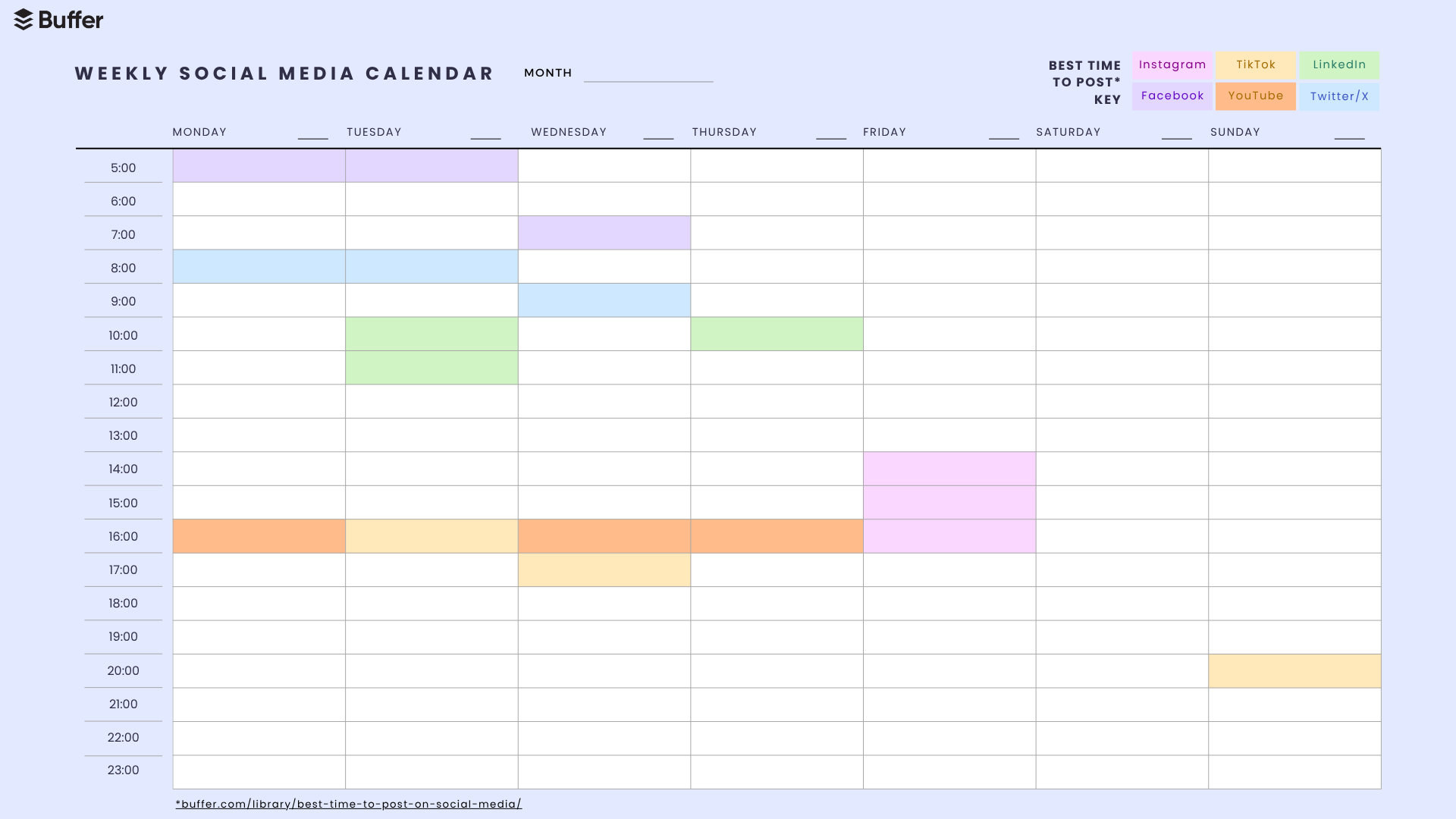
Buffer uses a queue based scheduling system. Users add posts to a publishing queue and the platform automatically publishes them according to a predefined schedule. This makes it easy to maintain a steady flow of content without adjusting each post individually.
Hootsuite uses a calendar style content planner that allows teams to schedule posts across campaigns. The system is designed to coordinate larger marketing initiatives and allows multiple team members to collaborate on scheduling.
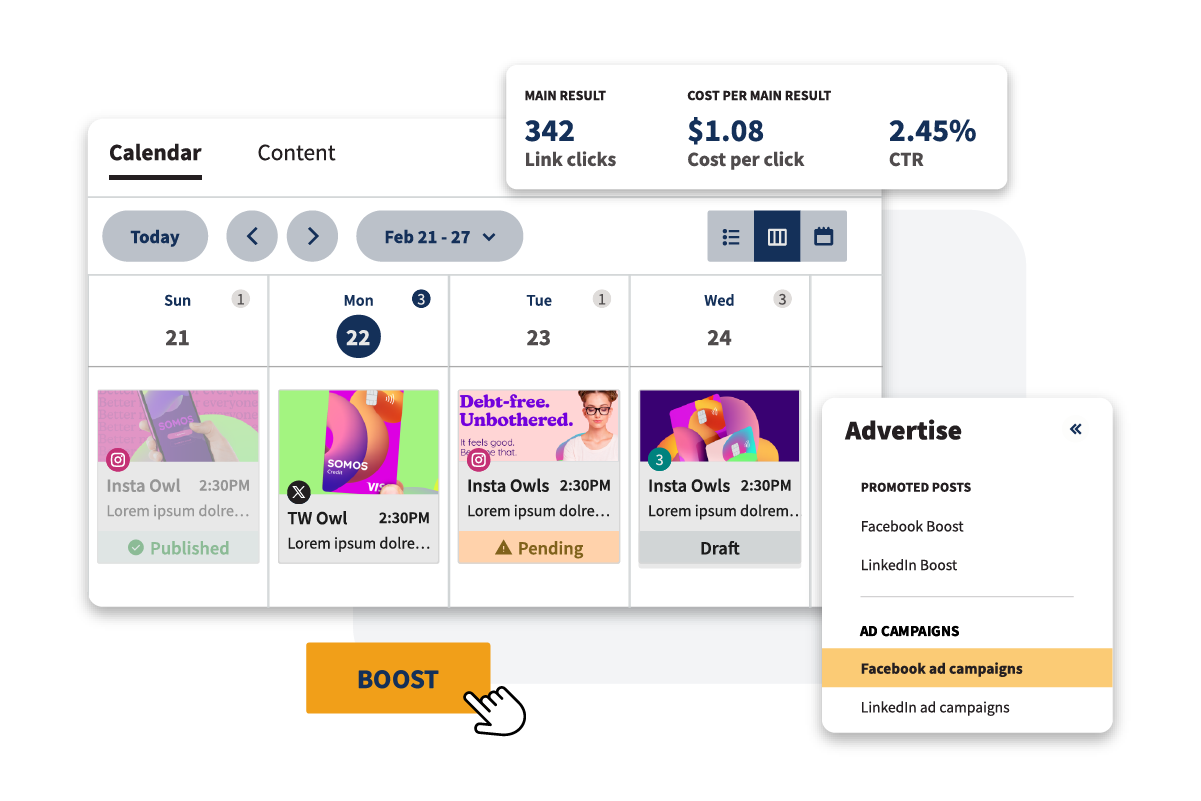
For individuals and small teams that mainly publish content regularly, Buffer’s system often feels faster and easier. Larger marketing teams may benefit from the additional planning flexibility offered by Hootsuite.
After using both platforms for scheduling posts and managing social media workflows, a few practical differences stand out.
• Buffer feels easier to start using. Scheduling posts takes only a few clicks and the interface is very intuitive.
• Hootsuite provides more advanced features, but the dashboard requires more time to understand because of the monitoring streams and analytics tools.
For creators who mainly want to publish content consistently, Buffer usually feels more efficient. Teams managing campaigns or responding to large volumes of messages may prefer Hootsuite.
Analytics features are another area where the two platforms diverge.
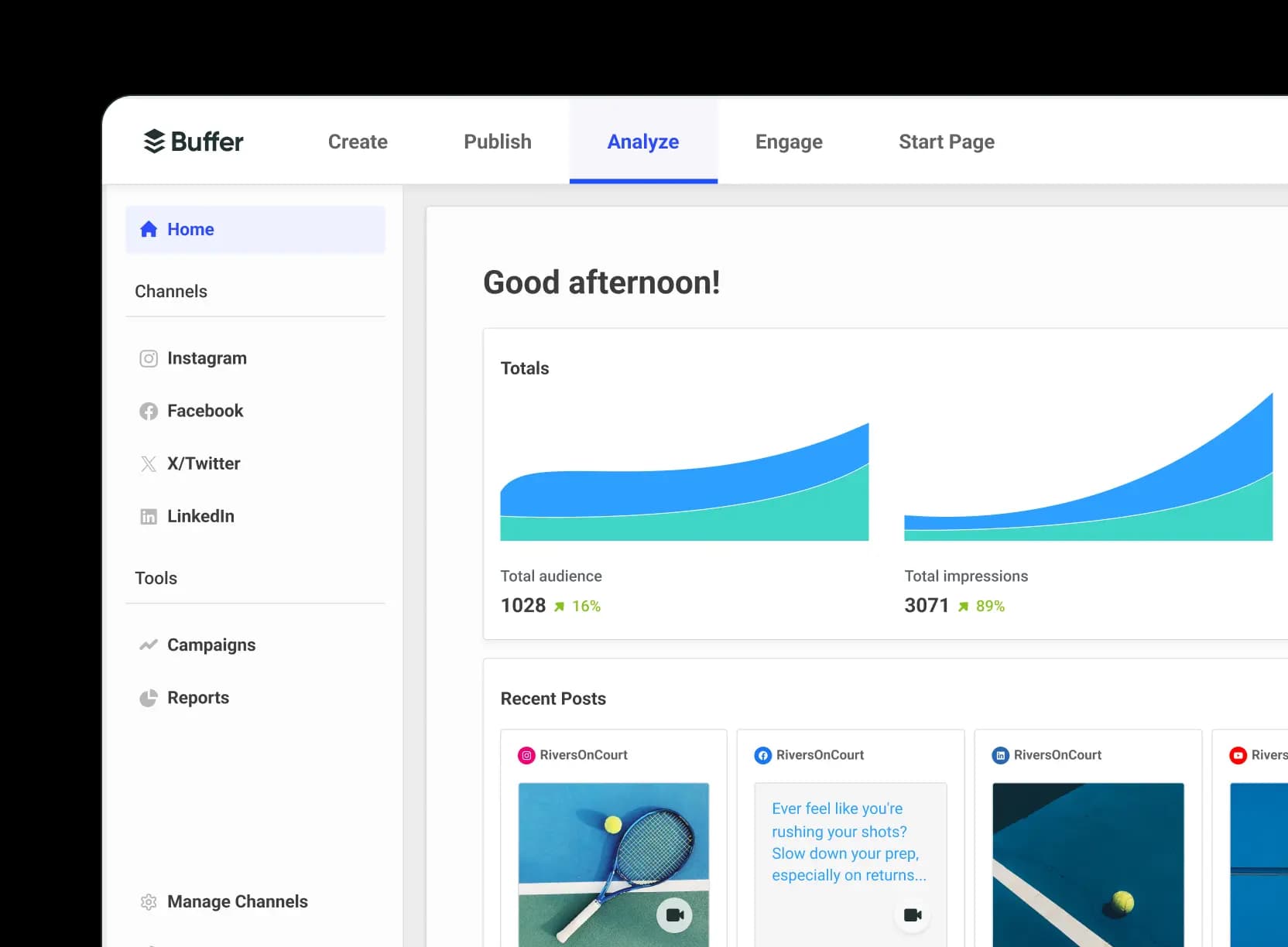
Buffer focuses on clear engagement metrics that show how posts perform. Users can track metrics such as likes, shares, comments, and follower growth. The analytics interface is designed to provide useful insights without overwhelming users with too many data points.
Hootsuite offers more comprehensive reporting capabilities. Marketing teams can create detailed reports that compare campaign performance across platforms, monitor brand mentions, and analyze audience engagement patterns.
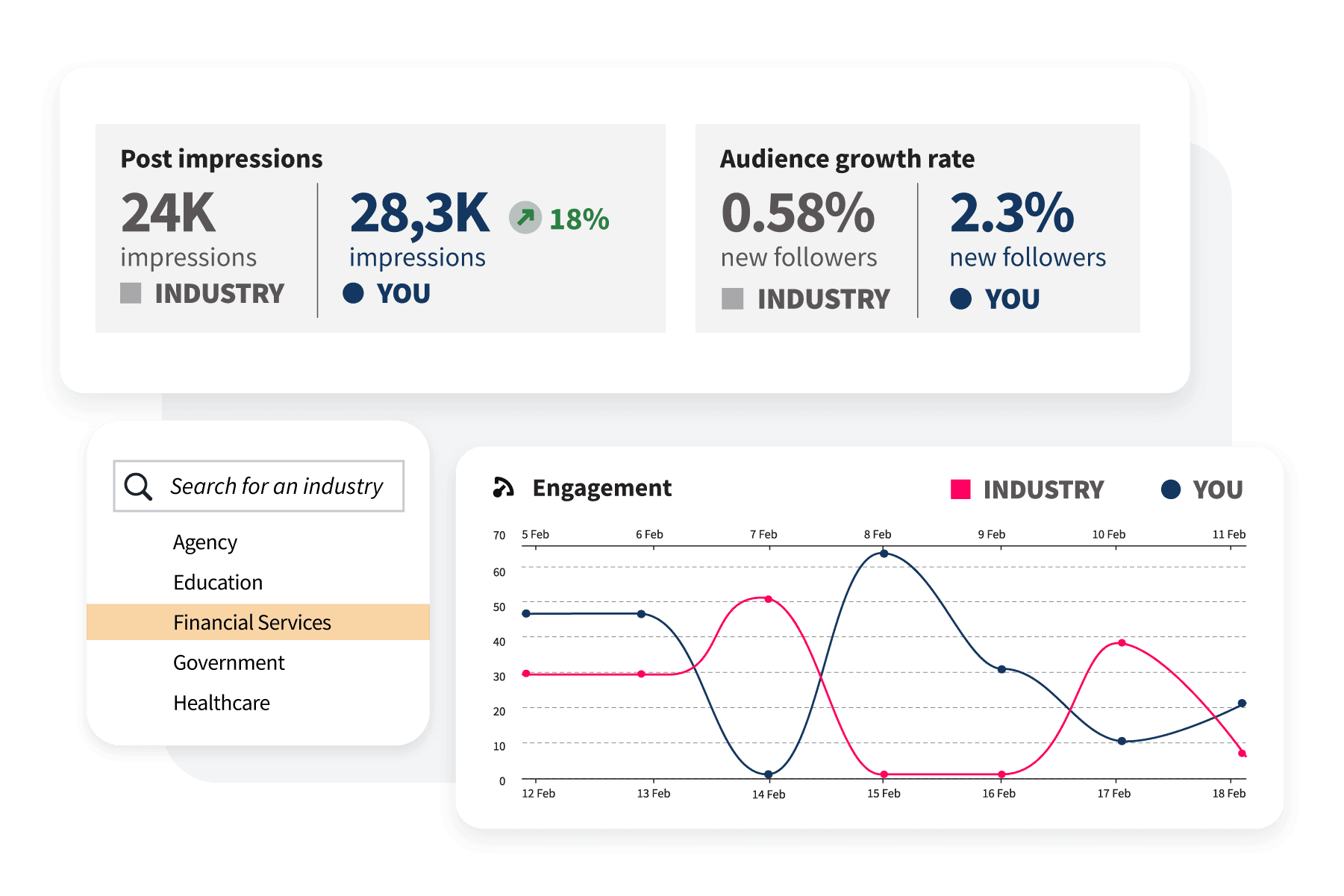
These tools are particularly valuable for agencies that need to present detailed analytics reports to clients.
Pricing is one of the biggest differences between Buffer and Hootsuite
| Plan Type | Hootsuite Price (USD) | Buffer Price (USD) | Key Difference |
|---|---|---|---|
| Free Plan | No free plan | $0 / month | Buffer offers a permanent free plan |
| Entry Plan | $23 / user / month (Standard) | $5 / month (Essentials) | Buffer is much cheaper for small creators |
| Mid-Level Plan | $91 / user / month (Advanced) | $10 / month (Team) | Hootsuite targets professional teams |
| Enterprise | Custom pricing | Custom (higher tiers available) | Both offer enterprise customization |
Buffer’s pricing structure allows users to scale gradually by adding social media channels as needed. Hootsuite’s pricing reflects its broader feature set and enterprise focused design.
Ease of use is often the deciding factor when choosing between these platforms.
Buffer is widely known for its clean interface and simple workflow. Most users can begin scheduling posts within minutes of creating an account. The platform avoids unnecessary complexity and focuses on core publishing features.
Hootsuite provides more advanced capabilities, but this also results in a steeper learning curve. The multi stream dashboard, monitoring tools, and analytics reports require some time to learn.
For individuals and small teams, Buffer’s simplicity is often a major advantage. Larger organizations may appreciate the additional control offered by Hootsuite.
Buffer is usually the better option when your main goal is to schedule content efficiently without managing a complex marketing system.
Buffer works best for creators, freelancers, and small businesses that publish content regularly and want a simple social media management workflow.
When to Choose Hootsuite
Hootsuite becomes more valuable when social media is part of a larger marketing strategy.
Marketing agencies, enterprise teams, and brands managing large campaigns often rely on Hootsuite because of its monitoring tools, reporting capabilities, and team collaboration features.
Both Buffer and Hootsuite are powerful social media management tools, but they serve different audiences.
Buffer is designed for simplicity. It helps users publish content quickly and track engagement without navigating a complex interface. This makes it ideal for creators and small businesses.
Hootsuite is designed for scale. Its monitoring tools, analytics dashboards, and collaboration features make it a stronger choice for organizations running large marketing campaigns.
Choosing between the two ultimately depends on whether you prioritize simplicity or advanced marketing capabilities.

ClickFunnels is still everywhere in marketing circles, but it is no longer the d...
Grace Howard6 months ago

Managing social media today requires more than simply posting content. Brands, c...
Peter Woods7 months ago

Meta has agreed to acquire Manus, a Chinese founded artificial intelligence...
John Nyarko9 months ago
In today’s fast-paced digital workplace, communication software plays a critical...
John Nyarko9 months ago
Discussion