For the past two years, chatbot upgrades dominated the AI industry’s attention cycle. Every new language model launch from OpenAI, Google, Anthropic, or Meta triggered waves of downloads, media coverage, and app engagement.
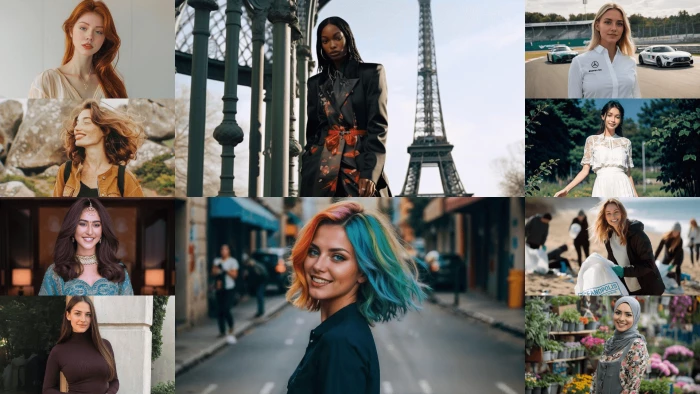
But in 2026, a different category of AI is suddenly driving the strongest app growth: image generation.
According to new data from app intelligence firm Appfigures, releases tied to AI image models are now generating dramatically larger download spikes than traditional chatbot model upgrades. The report found that image AI releases are driving roughly 6.5 times more app downloads compared to standard large language model updates.
The shift signals a broader change in how consumers are interacting with AI products. Instead of treating AI primarily as a text assistant, users are increasingly engaging with AI as a visual creation tool.
One reason image AI apps are outperforming chatbot updates is simple: visual results are easier to share, easier to understand, and more immediately engaging.
Users can instantly see the output.
A chatbot response may improve reasoning quality or writing ability, but many consumers struggle to notice incremental differences between one language model upgrade and another. Image generation, however, creates highly visible transformations that spread quickly across social media platforms.
That dynamic has helped fuel rapid growth for apps centered around:
The mobile app ecosystem is increasingly rewarding products that create visually shareable content rather than purely conversational experiences.
The trend is already reshaping competition between major AI companies.
OpenAI recently introduced its new images 2.0 system, which significantly improved image realism, typography rendering, and multi-panel generation. Tech reviewers noted that the latest generation of image models can now produce outputs that are dramatically more polished than earlier AI art systems.
Meta is also seeing stronger mobile traction after expanding image generation capabilities inside its AI ecosystem. Recent Appfigures data showed Meta AI app downloads surged following upgrades tied to visual AI features.
Meanwhile, Google continues integrating Gemini’s multimodal capabilities into consumer products, including Android experiences, search, and automotive systems.
The broader industry trend is clear: AI companies are moving aggressively toward multimodal ecosystems where text, images, video, audio, and interfaces all blend together.
The rise of image AI also reflects a deeper shift in the economics of AI apps.
Early generative AI growth was heavily centered around productivity use cases such as:
People use visual AI for entertainment, identity creation, social media content, memes, profile photos, and short-form video production. Those categories naturally spread faster through platforms like TikTok, Instagram, and YouTube Shorts.
In many cases, users are downloading AI apps not because they need productivity improvements, but because they want creative outputs they can instantly post online.
That creates a stronger viral loop than traditional chatbot products.
Another major shift is that AI apps increasingly behave like consumer social products rather than traditional software tools.
Some newer AI platforms now combine:
Startups like Shapes, for example, are experimenting with group chats that combine humans and AI characters in shared social spaces.
This blending of AI and social interaction is becoming one of the fastest-growing areas inside mobile apps.
The result is that visual AI products are no longer just utilities. Many are evolving into entertainment ecosystems.
Ironically, chatbot technology itself is still improving rapidly.
OpenAI’s GPT-5.5, Anthropic’s Claude upgrades, DeepSeek’s newer reasoning systems, and Google’s Gemini releases continue pushing benchmark performance forward.
But consumers may increasingly view text models as background infrastructure instead of headline features.
The novelty factor around chatbot improvements has started to decline for mainstream audiences. Better reasoning quality matters, but visual AI produces a stronger emotional reaction and clearer differentiation.
In other words, users may not immediately notice a smarter chatbot.
They instantly notice a stunning AI-generated image.
The Appfigures data suggests the AI industry could be entering a new phase where creativity-driven applications outperform productivity-focused ones in consumer growth.
That does not mean chatbots are disappearing. Large language models still power the underlying intelligence behind many AI systems.
But the biggest app download spikes are increasingly tied to what users can create visually, not just what they can ask through text prompts.
As AI models become more multimodal, the distinction between chatbot apps, design apps, social apps, and creator tools may continue disappearing altogether.
And in the mobile economy of 2026, the companies winning attention are increasingly the ones turning AI into something people can see, remix, and share instantly.
New Claude Model Targets Agentic AI WorkflowsAnthropic has launched Claude Sonne...
Samuel Osei3 months ago
Gemini’s Image Tools Get a Wider RolloutGoogle is expanding access to Gemini’s p...
Alexander Hughes3 months ago
Two AI video generators, two very different first days. I ran PixVerse through i...
Alexander Hughes3 months ago
Two of the most talked-about AI chat platforms. I opened both, picked a characte...
Alexander Hughes3 months ago
The two-minute versionIf you only read one thing, read this. The rest of the doc...
Alexander Hughes3 months ago
Why Seedance 2.5 mattersSeedance 2.5 is the latest release in ByteDance’s Seedan...
Alexander Hughes3 months ago
Discussion