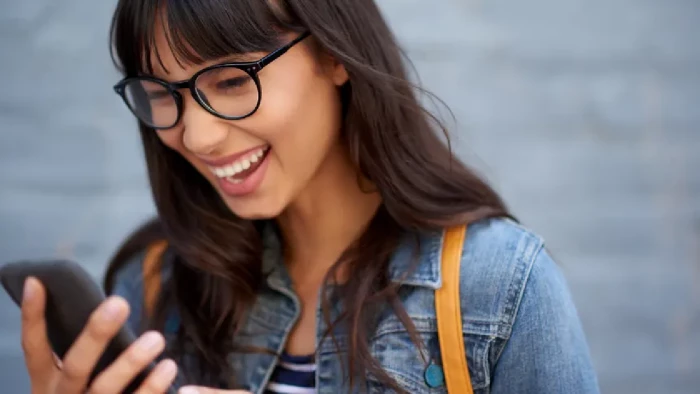
The internet has changed how people connect with brands, creators, and content. Attention spans are shorter, audiences scroll faster, and traditional advertising often struggles to stand out. In this environment, memes have become one of the most effective ways to capture attention naturally.
What started as simple internet humor has evolved into a communication style used by businesses, influencers, educators, and marketers worldwide. Memes are no longer just entertainment—they’re part of digital culture itself.
The reason is simple: people engage more with content that feels relatable and human. Instead of polished promotional messages, audiences prefer content that reflects real emotions, shared frustrations, or everyday experiences. That’s exactly why tools like a meme creator have become so popular among both casual users and professional content creators.
Memes work because they trigger quick emotional reactions.
People don’t stop scrolling for generic content. They stop when something feels familiar, funny, or emotionally accurate. A strong meme can communicate an entire mood in seconds without requiring long explanations.
That efficiency is incredibly valuable online.
Memes also create a sense of community. When someone shares a meme, they’re often saying, “You understand this too.” That shared understanding builds connection, which is why memes spread so naturally across social platforms.
Unlike traditional ads that interrupt attention, memes blend into the way people already communicate online.
A decade ago, many companies avoided meme culture because it seemed unprofessional. Today, some of the world’s biggest brands actively build marketing campaigns around internet humor.
The reason is engagement.
People are more likely to comment on, share, or save content that entertains them. A funny, relatable post often performs better than highly polished promotional graphics because it feels authentic rather than sales-driven.
Brands that understand meme culture also appear more approachable. They feel less like corporations and more like participants in online conversations.
However, successful meme marketing requires understanding internet culture properly. Audiences can quickly recognize when brands are trying too hard to sound trendy.
The most effective meme campaigns feel natural, timely, and self-aware.
Timing is everything online.
A meme format can become massively popular and disappear within days. Creators who understand digital trends know how important it is to react quickly while the conversation is still relevant.
This is why many social media teams monitor trending topics constantly. A brand that joins a trend early often benefits from increased visibility, while late participation can feel outdated.
But timing isn’t just about trends—it’s also about cultural awareness. Some moments call for humor, while others require sensitivity. Understanding that balance is critical for maintaining audience trust.
One reason memes perform so well is because they invite participation.
People rarely respond emotionally to standard advertisements. Memes, on the other hand, encourage reactions, remixes, comments, and discussions.
This interaction increases reach organically because platforms prioritize content with strong engagement. In other words, memes often receive more visibility simply because audiences interact with them more actively.
Memes also lower communication barriers. A complex topic can become easier to understand when presented visually with humor or relatable context.
That’s why meme formats are now used far beyond entertainment—from educational pages and productivity creators to tech companies and nonprofit organizations.
Not all memes succeed, and overly forced humor usually performs poorly.
The best meme content often follows a few important principles:
The strongest memes communicate ideas immediately. Overcomplicated jokes lose impact quickly.
People share content that reflects their experiences or emotions.
Different communities respond to different types of humor. What works for one audience may completely fail with another.
Heavy branding can make memes feel like advertisements instead of natural content. That said, having a clean and recognizable brand mark matters. Many creators make a logo first so they can apply subtle, consistent branding across their content without overwhelming the humor or message.
Readable text and clean formatting matter more than complicated design.
Successful creators understand that memes are less about perfection and more about connection.
Memes continue growing because digital communication itself is becoming more visual and emotionally driven.
People increasingly communicate through reaction images, short videos, captions, and visual humor rather than long-form text. Memes fit naturally into that evolution.
Younger audiences especially value authenticity online. They prefer brands and creators that feel conversational instead of overly polished.
This shift has changed how businesses approach marketing, how influencers build communities, and even how news spreads online.
Memes are now part of the language of the internet.
As platforms evolve, meme culture will likely become even more integrated into online branding and communication strategies.
Short-form content, visual storytelling, and community participation continue dominating social media. Memes sit directly at the intersection of all three.
For creators and businesses, understanding meme culture is no longer optional—it’s part of understanding how modern audiences communicate.
That doesn’t mean every brand needs to become comedic. It means recognizing that people connect more deeply with content that feels human, timely, and emotionally recognizable.
Memes have transformed from casual internet jokes into one of the most influential forms of online communication. They shape conversations, drive engagement, and help brands connect with audiences in ways traditional advertising often cannot.
Their effectiveness comes from something simple but powerful: relatability.
In a digital world filled with endless content, people remember what makes them feel understood. And that’s exactly why meme culture continues to thrive across every corner of the internet.
Seedance 2.5, MiniMax H3, and Wan 3 all promise something bigger than the old pr...
Grace Howard2 months ago
Anthropic’s chatbot is attracting more consumer attention, but ChatGPT still rem...
Samuel Osei3 months ago
Meta is testing a redesigned Creator Studio app with AI tools for content planni...
Benjamin Clark3 months ago
China's humanoid robots are stepping out of the lab and onto the factory floor,...
Sandra Campos3 months ago
Social media platforms are beginning to give users more direct control over the...
Peter Woods3 months ago
Google has officially released Android 17, bringing a wider set of multitasking...
Noura Belkacem3 months ago
Discussion