Figma and Adobe XD are not really rivals anymore. Figma is the active standard, while Adobe XD has been pushed into maintenance mode, which means the comparison is mostly about why one won and the other faded out.
What makes this topic useful for an article is that the shift was not sudden. Adobe XD launched with real promise, but Figma changed how teams collaborate, and that changed the market around it.
If you are a student, freelancer, or team still sitting on XD files, this is not just a historical story. It affects your workflow, your collaboration speed, your plugin ecosystem, and even how safe your tool choice is for future projects.
The bigger lesson is simple: design tools are no longer judged only on drawing screens. They are judged on collaboration, handoff, scalability, AI support, and how well they fit into the rest of a product team’s work.
Figma is the better choice for almost everyone in 2026. Adobe XD still works for limited existing use cases, but it no longer receives active development, so starting new work there is a bad long-term bet.
That said, the story becomes more interesting when you look at the reasons behind the switch. Adobe XD was not a bad product at launch. It simply failed to keep up with how design work evolved.
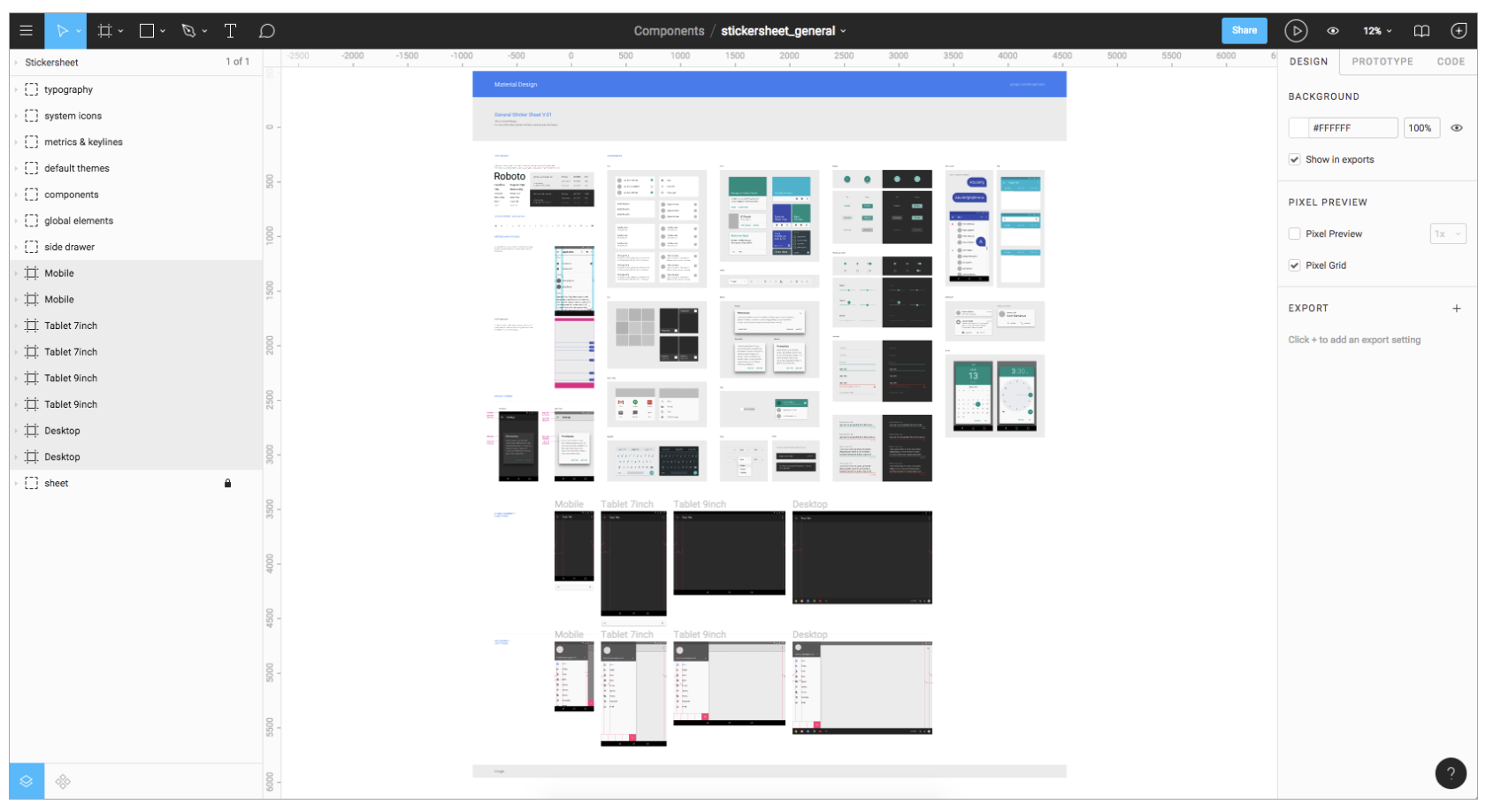
Figma’s biggest advantage was not a single feature. It was the browser-based, real-time collaboration model that made it easy for designers, developers, PMs, and stakeholders to work in the same file at once.
That changed the workflow from “design, export, send, wait, revise” to “design together in real time.” Once teams got used to seeing each other’s cursors, comments, and updates instantly, the older desktop-first model started to feel slow and disconnected.
Figma also expanded beyond basic UI design into a larger product ecosystem, with features like Dev Mode, branching, FigJam, variables, and AI-assisted workflows. That broader platform approach made it harder for XD to compete even before Adobe stopped investing in it.
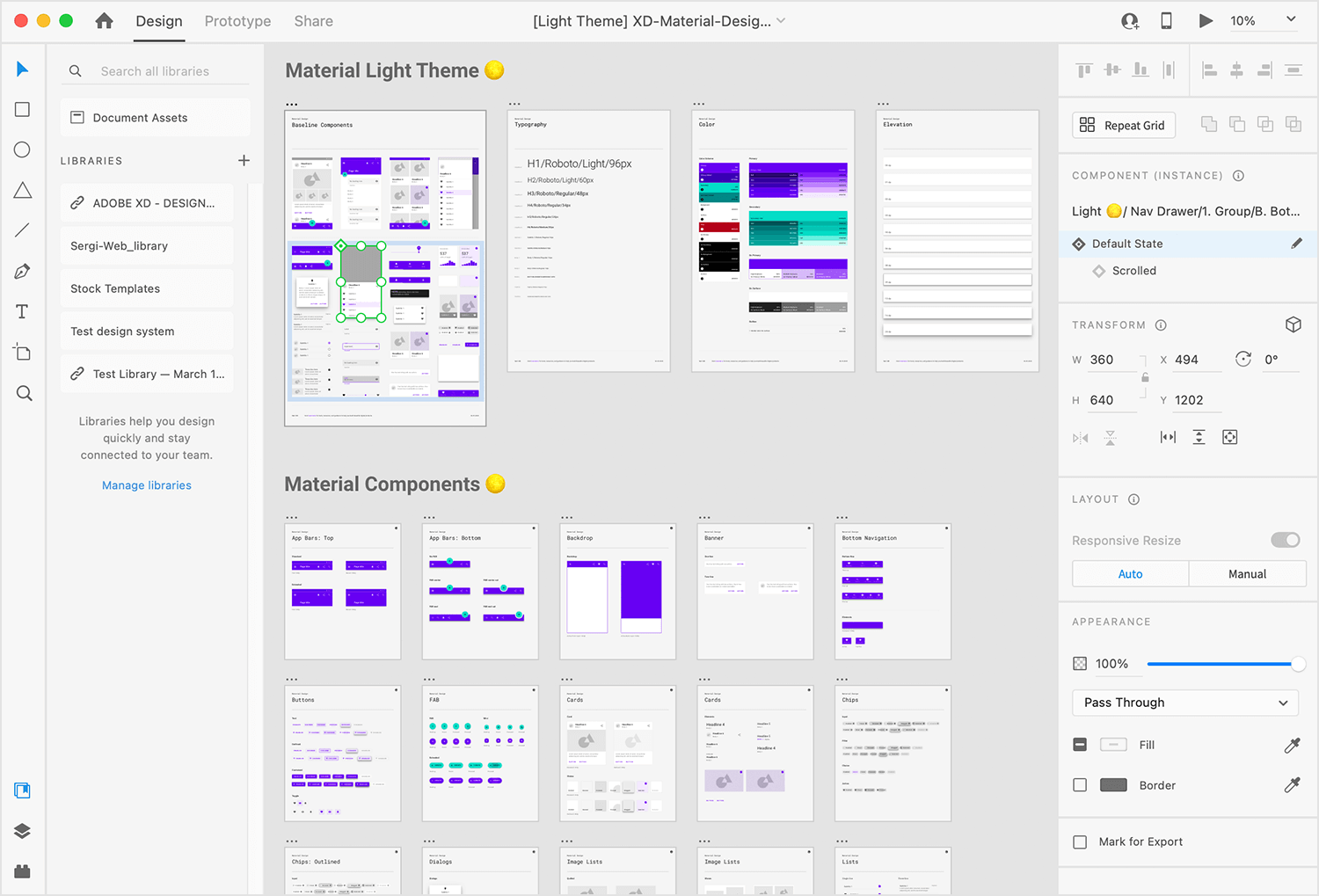
Adobe XD had a strong start. It was fast, clean, and genuinely innovative in areas like Auto-Animate and Repeat Grid. For a while, it looked like Adobe had a real answer to Figma.
The problem was collaboration. XD relied on desktop software with cloud syncing layered on top, which never felt as fluid as Figma’s live multiplayer workflow. Shared links were less dynamic, updates were not truly real time, and handoff remained more awkward than it needed to be.
Once the market shifted toward distributed product teams, that weakness became fatal. Adobe’s decision to stop investing in XD confirmed what many designers already suspected: the product was no longer central to the company’s future.
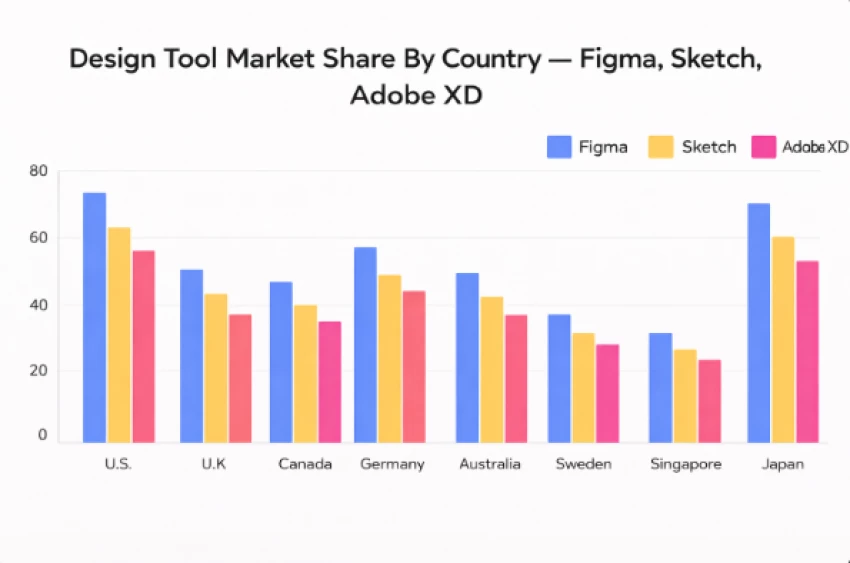
The scale difference is huge. Figma has the market share, the active user base, the enterprise adoption, and the revenue growth, while Adobe XD has no comparable growth story and no active development path.
That matters because design tools are sticky. Teams do not switch casually unless the new tool is clearly better or the old one is clearly drifting. Figma got both of those advantages at once.
The result is that Figma became the default workspace for design collaboration, while Adobe XD became a legacy tool that still exists mostly for people who already have old projects in it.
| Area | Figma | Adobe XD |
| Collaboration | Real-time multiplayer editing | Desktop-first with cloud sync |
| Platform | Browser and desktop access | Desktop only |
| Design systems | Auto Layout, Variables, branching | Repeat Grid, more limited system workflow |
| Handoff | Dev Mode, inspect, tokens | Static specs and older workflow |
| AI | Active AI features | None |
| Ecosystem | Large plugin and community ecosystem | Smaller, frozen ecosystem |
| Future | Actively expanding | Maintenance mode |
The table tells the story clearly, but the practical difference is even bigger. Figma is built for a connected product team, while XD still behaves like a traditional design app from an earlier era.
Pricing is another area where the comparison looks harsher for Adobe XD. Figma offers a usable free tier and tiered plans that can scale from solo users to teams and enterprises, while Adobe XD is tied to Creative Cloud and is not really being sold as a standalone future-facing product anymore.

For new users, that changes the value proposition completely. Figma gives you a path to start small and grow, while XD gives you access to a tool whose long-term roadmap has already ended.
Designer feedback is blunt. People who moved from XD to Figma generally describe the switch as manageable and worth it, especially once they get used to frames and Auto Layout.

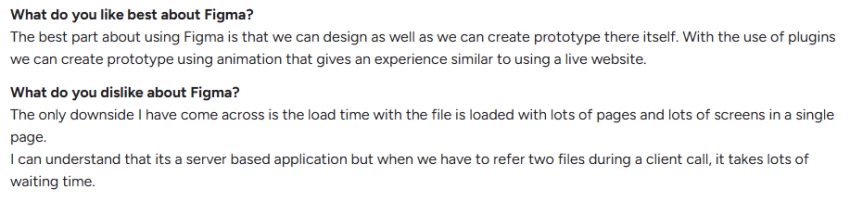
Adobe XD still has defenders, especially among solo designers who liked its simplicity and existing Creative Cloud integration. But even those opinions usually come with a warning that the product no longer has a clear future.
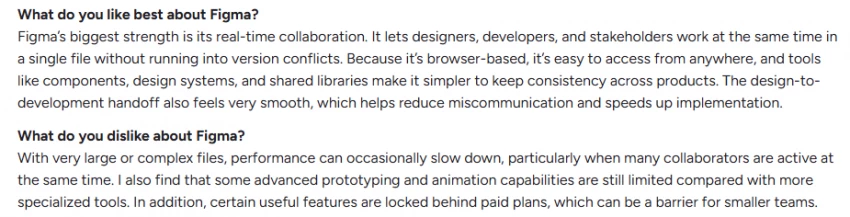
That is the key difference in sentiment. Figma inspires active discussion, plugin sharing, workflow debates, and new feature adoption, while XD has mostly become a tool people mention only when they are leaving it.
The move from XD to Figma is not painless, but it is manageable. Figma can import XD files directly in many cases, though some XD-specific features and interactions will need rebuilding.
The long-term payoff is that the rebuilt system in Figma is usually better organized, more scalable, and more collaborative than the original XD setup. That is why most teams treat migration less like a risk and more like overdue cleanup.
This is no longer a true head-to-head competition. Figma is the active design platform with the momentum, community, AI features, and collaboration model that modern teams need, while Adobe XD is a legacy product that still functions but no longer evolves.
For a new article, the strongest angle is not “which is better?” but “why Figma became the standard and Adobe XD did not survive the shift.” That structure gives the piece a stronger narrative and makes it feel more like a real market story than a dry feature comparison.

New Claude Model Targets Agentic AI WorkflowsAnthropic has launched Claude Sonne...
Samuel Osei3 months ago

Gemini’s Image Tools Get a Wider RolloutGoogle is expanding access to Gemini’s p...
Alexander Hughes3 months ago

Two AI video generators, two very different first days. I ran PixVerse through i...
Alexander Hughes3 months ago

Two of the most talked-about AI chat platforms. I opened both, picked a characte...
Alexander Hughes3 months ago

The two-minute versionIf you only read one thing, read this. The rest of the doc...
Alexander Hughes3 months ago
Why Seedance 2.5 mattersSeedance 2.5 is the latest release in ByteDance’s Seedan...
Alexander Hughes3 months ago
Discussion