Google is expanding access to Gemini’s personalized AI image generation feature, making it free for eligible users in the United States. The feature was previously limited to paying subscribers on Gemini’s Plus, Pro, and Ultra plans, but it is now being opened to a much larger audience.
The update gives more users the ability to create images that reflect their personal interests, preferences, and digital context. Instead of writing highly detailed prompts, users can ask Gemini to generate visuals based on what it already understands about them through connected Google services.
This move shows how Google is pushing Gemini beyond a standard chatbot experience. The company wants Gemini to feel more personal, more useful, and more deeply connected to the everyday apps people already use.
Traditional AI image generators rely heavily on detailed prompts. Users usually need to describe the style, subject, setting, mood, and visual elements they want. Gemini’s personalized image generation changes that process by allowing the AI to use personal context.
For example, instead of asking Gemini to create an illustration that includes coffee, baking, travel, pets, or other favorite things, a user can simply ask for an image based on their interests. Gemini can then use information from connected Google services to understand what those interests might be.
This makes image generation feel more natural. It also lowers the effort required from users who may not know how to write advanced prompts.
The feature is powered by Google’s Nano Banana image generation technology and Gemini’s Personal Intelligence system. Personal Intelligence allows Gemini to use data from connected Google products such as Gmail, Google Photos, YouTube, and Search.
With this context, Gemini can create images that feel more specific to the user. It can understand preferences, recurring interests, and even visual references without requiring users to explain everything from scratch.
Google first introduced the idea of bringing Nano Banana-powered image creation into Gemini’s Personal Intelligence experience earlier in 2026. The latest rollout makes that capability available to all eligible users in the United States at no cost.
One of the most notable parts of the feature is its connection with Google Photos. Gemini can use images from a user’s Google Photos library when permission is granted, which means users do not always have to upload pictures manually.
This could be useful for creating personalized portraits, memory-based illustrations, themed visuals, or images that include recognizable people, places, or objects from a user’s own life.
For example, a user might ask Gemini to create a fun illustration of them with their favorite activities. If Google Photos access is enabled, Gemini may be able to pull relevant visual details from the user’s existing photo library.
Because the feature can use personal data, Google is making it opt in. Users can choose which apps Gemini is allowed to access. That gives people more control over how much personal context they want Gemini to use.
Once enabled, Personal Intelligence becomes the default setting for prompts. However, users can turn it off through a toggle in the Tools menu.
This opt-in approach is important because personalized AI features raise privacy questions. Many users may like the convenience of more relevant AI results, but they may also want clear controls over what data is being used.
Making personalized image generation free in the United States is likely part of Google’s larger strategy to increase Gemini adoption. AI image generation has become one of the most popular consumer AI use cases, and Google is competing with products from OpenAI, Adobe, Meta, Midjourney, and other AI companies.
By removing the paid subscription requirement, Google can get more users to try Gemini’s creative features. The company also gains a chance to show how its ecosystem gives Gemini an advantage.
Unlike standalone AI apps, Gemini can connect with Google services that many people already use daily. That includes email, photos, search history, video preferences, documents, and other personal data sources. When used responsibly, that context can make Gemini feel more helpful than a generic AI tool.
This rollout is part of Google’s broader effort to make Gemini a more personal AI assistant. The company has been adding features that move Gemini closer to becoming a daily companion rather than just a search or productivity tool.
Recent Gemini app updates have included plans for a Daily Brief feature, a redesigned interface, access to more advanced AI video tools, and a personal AI agent called Gemini Spark.
These additions suggest that Google wants Gemini to handle more than isolated prompts. The long-term goal appears to be an AI system that can understand a user’s habits, summarize important information, create content, and take action across Google’s ecosystem.
The launch also reflects a larger shift across the AI industry. Companies are moving from general-purpose chatbots toward personalized assistants that can understand individual users more deeply.
Personalization could make AI more useful in many areas, including image creation, scheduling, shopping, writing, learning, travel planning, and entertainment. Instead of repeating preferences every time, users may be able to rely on AI systems that remember context and adapt to their needs.
However, this shift also makes privacy and user control more important. The more personal an AI assistant becomes, the more users need transparency around data access, storage, permissions, and deletion.
Google has a unique advantage in this race because it already operates many of the apps that shape people’s digital lives. Gmail, Google Photos, YouTube, Search, Maps, Calendar, and Drive all contain valuable context that could make Gemini more useful.
For personalized image generation, that context can help Gemini understand what a user likes, what they look like, where they have been, and what kinds of content they engage with.
This creates a powerful opportunity for Google, but it also raises expectations. Users will want personalization that feels helpful rather than invasive. They will also expect clear settings and easy ways to disable data access.
By making personalized AI image generation free for US users, Google is signaling that this type of feature is no longer just a premium experiment. It is becoming a core part of the Gemini experience.
The update could help Gemini attract more casual users who want quick, creative, and personalized visuals without paying for a subscription. It could also encourage more people to connect Gemini with their Google apps, giving the assistant more context to work with.
For Google, the bigger opportunity is not just image generation. It is building an AI assistant that understands users across text, images, video, search, and daily tasks.
Gemini’s personalized image feature is one step in that direction. It shows how AI tools are becoming more tailored, more connected, and more deeply integrated into the platforms people already use.
New Claude Model Targets Agentic AI WorkflowsAnthropic has launched Claude Sonne...
Samuel Osei3 months ago
Two AI video generators, two very different first days. I ran PixVerse through i...
Alexander Hughes3 months ago
Two of the most talked-about AI chat platforms. I opened both, picked a characte...
Alexander Hughes3 months ago
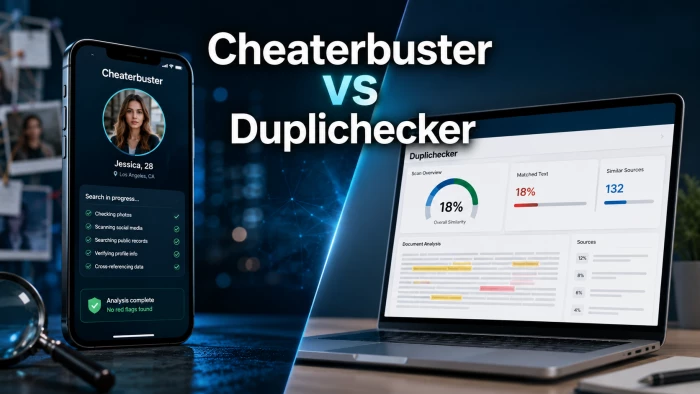
The two-minute versionIf you only read one thing, read this. The rest of the doc...
Alexander Hughes3 months ago
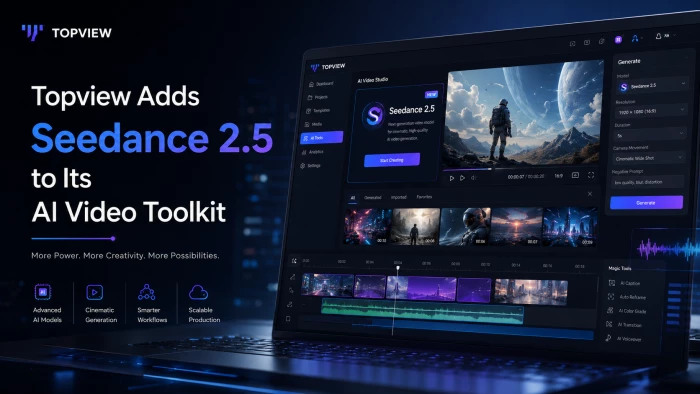
Why Seedance 2.5 mattersSeedance 2.5 is the latest release in ByteDance’s Seedan...
Alexander Hughes3 months ago
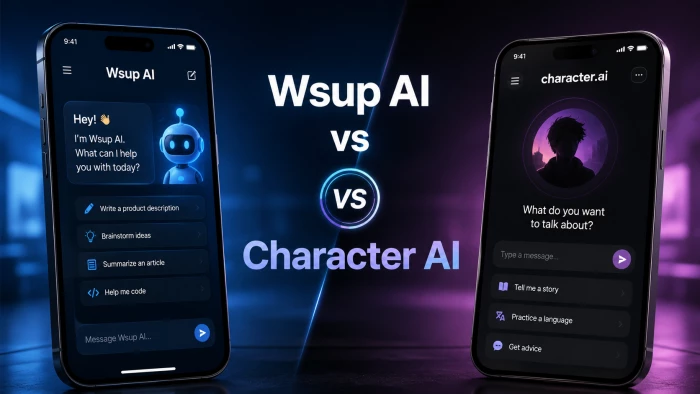
WSUP AI3.5 /10AS TESTED TODAYCould not send a single message. Stuck in read-only...
Alexander Hughes3 months ago
Discussion