Jasper and Writesonic started in a similar place: AI writing tools that could spin up blogs, ads, and emails on demand. By 2026, they have grown into very different products.
Jasper has moved toward brand‑controlled marketing workflows. It wants to be the place where your brand voice, guidelines, and campaigns live. Writesonic, on the other hand, has doubled down on SEO, content optimisation, and how your content shows up in search and AI‑driven results.
That split matters. If your biggest headache is keeping messaging consistent across people and channels, Jasper is usually a better fit. If your main fight is for rankings, traffic, and visibility in AI search, Writesonic will probably feel closer to what you need.
On paper, both platforms still do the same things: generate blogs, ads, emails, and landing page copy.
In reality:
So “which one writes better?” is no longer the main question. A more useful one is:
Which one fits the way our team already works and the results we are actually measured on?
| Category | Jasper | Writesonic |
|---|---|---|
| Main focus | Brand‑controlled marketing workflows | SEO content and AI search visibility |
| Brand voice | Deeper controls for teams | Decent, but less advanced |
| SEO tools | Mostly via external integrations | Built into the core product |
| GEO / AI visibility | Not available | Available on higher plans |
| Team collaboration | Better suited to larger teams | Becomes pricier as you add seats |
| API access | Business only, custom pricing | From Professional tier |
| Best for | Marketing teams and agencies | SEO teams and search‑led content marketers |
Both tools are capable. They are just optimised for different kinds of marketing work.

Jasper’s brand system has clearly been built with teams in mind. It includes:
This makes it much easier to keep content from drifting off into random tones when multiple people are creating assets.
Writesonic also offers brand voice and style features. They are useful for tone consistency, and they work well enough for solo creators or small teams. However, the controls are simpler and not as geared toward larger, multi‑person setups as Jasper’s.
In practice, neither tool nails brand voice 100 percent of the time. Both can slip into generic AI copy if prompts are vague or the setup is rushed. The gap is in how much support the platform gives you to avoid that drift when a whole team is producing content.
This is the clearest point of separation.
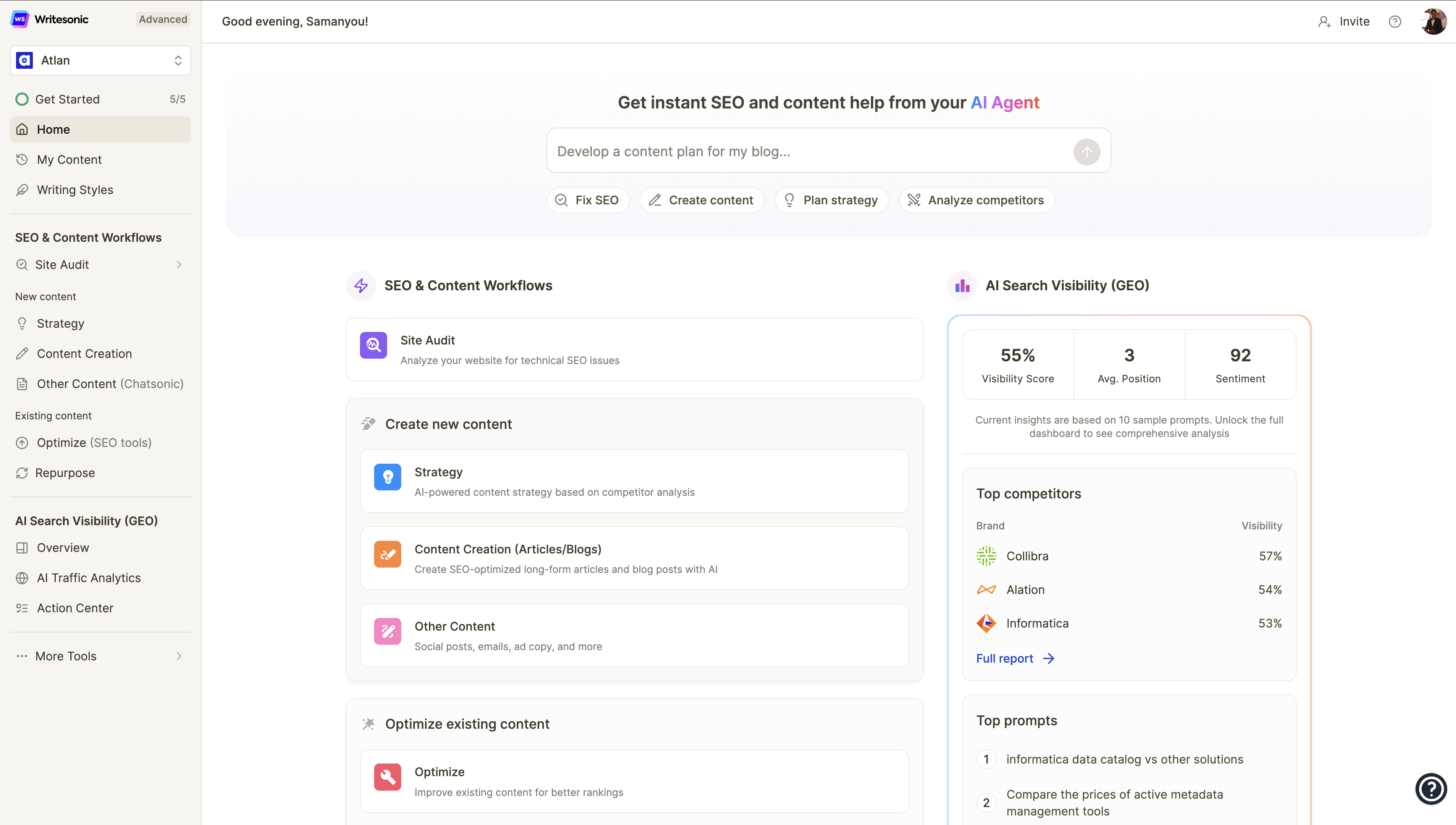
Writesonic is built with SEO and AI search in mind. On its higher tiers, you get:
That makes it appealing if you want to manage traditional SEO and generative engine optimisation without juggling multiple tools.
Jasper does not go as deep here natively. It tends to rely on integrations with tools like Semrush or SurferSEO. That is fine if you already use those tools, but it does add cost and complexity if SEO is central to your strategy.
If you live in keyword research, topic clusters, and AI snippet visibility, Writesonic is the more natural fit.

Jasper’s editor is built around marketing workflows:
It shines when you are creating campaign content across multiple channels and need everything to feel connected and on brand.

Writesonic’s environment leans toward search‑driven content:
It is particularly good when the main output is search content: blog posts, pillar pages, topical clusters, and supporting pieces.
If your day is filled with campaign briefs and channel planning, Jasper will probably feel more comfortable. If your day is mostly content calendars and keyword maps, Writesonic will feel more aligned.
Both tools have chat‑style assistants, but they behave differently.

It works best if you want one persistent place where the AI “knows” your company.
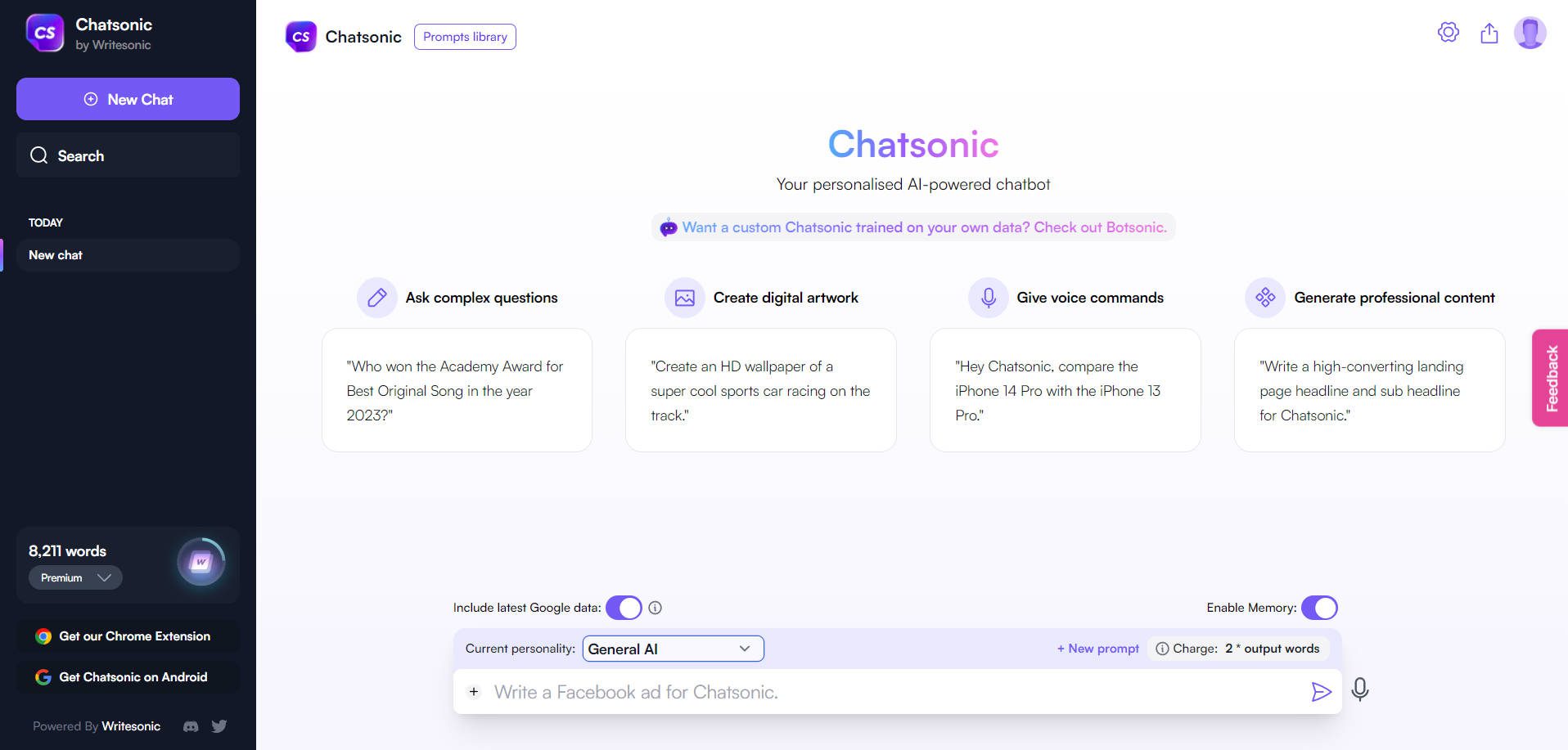
It is particularly handy when you need up‑to‑date data, competitive research, or quick SEO insights while writing.
If you want a long‑term, brand‑aware workspace, Jasper feels more like home. If you want a flexible research partner that can also write, Writesonic feels more lively.
Jasper is clearly angled toward teams and agencies.
Writesonic can handle teams, but:
If you expect your marketing team to grow or you already work with multiple writers and managers, Jasper generally scales better.
Pricing evolves over time, but the pattern currently looks like this:
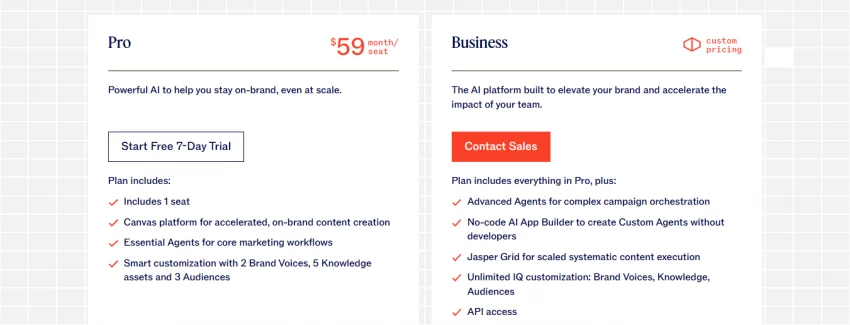
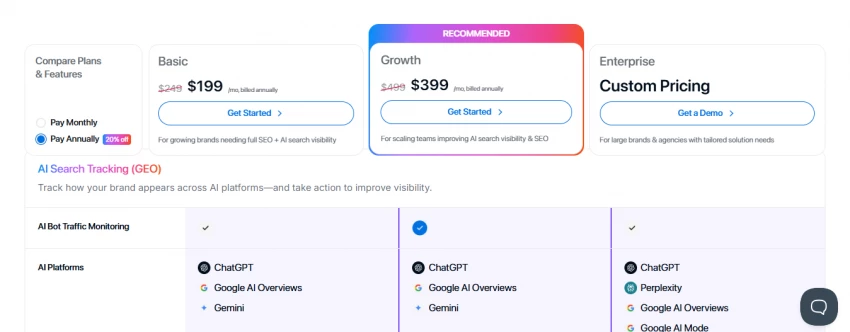
So, in simple terms:
User feedback (across multiple review platforms and communities) tends to repeat the same themes.
For Jasper


For Writesonic


Neither tool is universally loved or universally disliked. Most negative reviews come from people using the tool for a job it is not really built for, or from teams that did not fully plan how they would use it.
Instead of trying to compare every feature, it can help to look at how your team actually spends time.
Think about:
If it is things like:
Then Jasper will probably relieve more pain.
If it is things like:
Then Writesonic is probably the better way to go.
A practical way to test:
Pay attention to which environment feels like it “gets” what you are trying to do with less friction.
Jasper and Writesonic have grown apart in a useful way.
If your main job is protecting and scaling a brand, Jasper is more likely to feel like the right partner. If your main job is winning search, both traditional and AI‑powered, Writesonic will probably feel closer to what you need.
The smartest choice is not the one with the longest feature list. It is the one that makes your existing way of working smoother, faster, and easier to repeat.

New Claude Model Targets Agentic AI WorkflowsAnthropic has launched Claude Sonne...
Samuel Osei3 months ago

Gemini’s Image Tools Get a Wider RolloutGoogle is expanding access to Gemini’s p...
Alexander Hughes3 months ago
Two AI video generators, two very different first days. I ran PixVerse through i...
Alexander Hughes3 months ago
Two of the most talked-about AI chat platforms. I opened both, picked a characte...
Alexander Hughes3 months ago
The two-minute versionIf you only read one thing, read this. The rest of the doc...
Alexander Hughes3 months ago
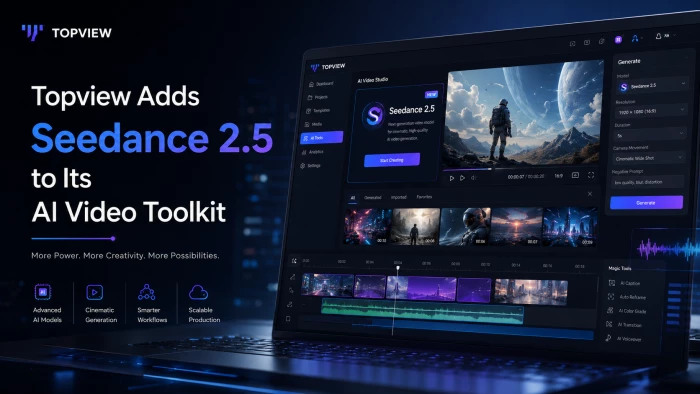
Why Seedance 2.5 mattersSeedance 2.5 is the latest release in ByteDance’s Seedan...
Alexander Hughes3 months ago
Discussion