You publish content regularly.
You optimize headings, keywords, and internal links.
And still, some pages just sit there without getting indexed.
This is where most people assume SEO is broken. It usually is not. It is often a discovery problem.
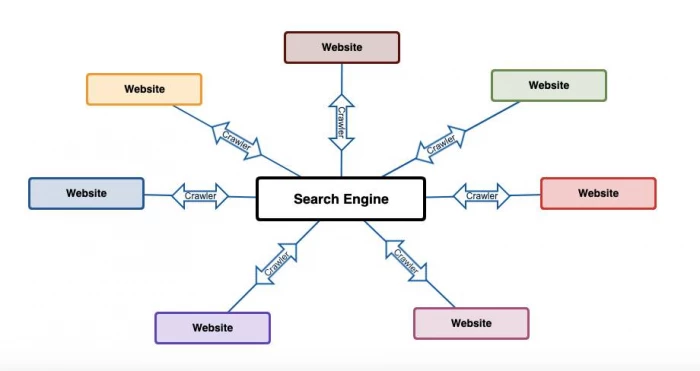
Search engines cannot rank what they do not properly discover. And that is exactly where a sitemap plays its role. It is not a ranking factor. It is a communication layer between your website and search engines.
SpellMistake’s Sitemap Generator tries to simplify that layer. Instead of dealing with manual XML files or technical tools, it offers a quick way to generate and export a sitemap.
The question is whether that simplicity actually holds up in real usage.
At its core, the tool is designed to create XML sitemaps that help search engines understand your website structure. It scans your site, collects URLs, and organizes them into a format that can be submitted to platforms like Google Search Console.
The positioning is very clear. This is not a full SEO suite. It is not trying to compete with heavy tools. It is built for users who want a working sitemap without dealing with technical complexity.
The tool focuses on accessibility. You do not need to configure crawlers or understand XML syntax. You enter your URL, and the system handles the rest.
This makes it particularly useful for beginners and small website owners who want quick results without learning advanced SEO workflows.
Sitemaps are often misunderstood as optional. In reality, they become critical in specific situations.
For new websites, they help search engines discover pages that do not yet have strong internal linking. For larger websites, they help organize content and guide crawlers toward important pages.

Without a sitemap, search engines rely entirely on crawling behavior. That works, but it is inefficient. With a sitemap, you provide a structured roadmap.
That roadmap tells search engines:
● what pages exist
● which pages matter more
● how frequently content is updated
The result is not better rankings directly, but better visibility and faster indexing.
The workflow is intentionally simple.
You enter your website URL. The tool begins scanning available pages and builds a structured XML file. Once the process is complete, you download the sitemap and submit it to search engines.
This simplicity is where the tool stands out. There is no setup barrier, no installation, and no technical learning curve.
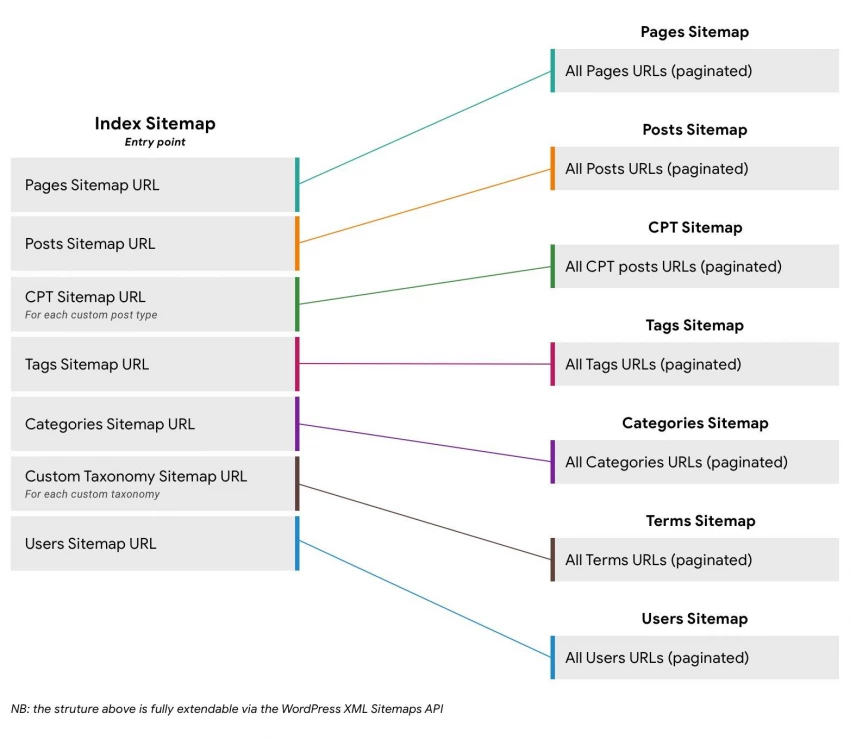
However, this also means the tool relies heavily on how your website is structured. If your internal linking is weak or pages are not easily accessible, the generated sitemap may not be fully complete.
That limitation is not unique to this tool. It applies to most basic sitemap generators.
| Feature | What It Does in Practice |
| XML Sitemap Generation | Creates a structured file readable by search engines |
| URL Crawling | Scans accessible pages from the homepage |
| Priority Settings | Lets you assign relative importance to URLs |
| Change Frequency | Suggests how often pages are updated |
These features are standard, but the key difference lies in how easy they are to use. The tool removes complexity without removing functionality entirely.
● generates sitemap quickly without requiring technical setup
● interface is straightforward and easy to navigate
● limited control over how deeply the site is crawled
● not suitable for large or complex website structures
| Tool | Strength | Limitation |
| SpellMistake Sitemap Generator | Fast and simple sitemap creation | Limited advanced control |
| Screaming Frog | Deep crawling and technical SEO analysis | Requires setup and expertise |
| XML-Sitemaps.com | Basic sitemap generation | Limited scalability |
| Ahrefs / SEMrush | Full SEO ecosystem with audits | High cost and complexity |
SpellMistake fits into a very specific space. It is not trying to replace advanced tools. It is trying to make sitemap generation accessible.
This tool works best when your goal is clarity, not control.
It is useful when launching a new site, updating content structure, or ensuring search engines can quickly discover pages. It is also helpful for smaller websites where a full SEO audit tool would be unnecessary.
It becomes less useful as your site grows in complexity. Large eCommerce sites, multi-layer content platforms, and deeply nested pages require more advanced crawling tools.
| Mistake | What Happens |
| Including broken URLs | Search engines encounter crawl errors |
| Not updating sitemap | New pages remain undiscovered |
| Ignoring priority settings | Important pages may be undervalued |
| Submitting without checking | Indexing becomes inconsistent |
The tool can generate the sitemap, but effectiveness depends on how it is used.
SpellMistake Sitemap Generator delivers exactly what it is designed for.
It simplifies sitemap creation to the point where almost anyone can generate a usable XML file within minutes. That alone makes it valuable for beginners and smaller websites that do not require complex SEO infrastructure.
At the same time, its limitations are clear. It does not offer deep crawling control, advanced filtering, or integration with broader SEO workflows. As your website grows, those limitations become more noticeable.
The real value of the tool lies in removing friction.
It helps bridge the gap between having content and making that content discoverable. It does not replace technical SEO tools, but it does make a specific task easier.
For users who prioritize speed and simplicity, it works well. For users who need precision and depth, it is only a starting point.
That distinction defines where it fits.
Seedance 2.5, MiniMax H3, and Wan 3 all promise something bigger than the old pr...
Grace Howard2 months ago

Anthropic’s chatbot is attracting more consumer attention, but ChatGPT still rem...
Samuel Osei3 months ago

Meta is testing a redesigned Creator Studio app with AI tools for content planni...
Benjamin Clark3 months ago

China's humanoid robots are stepping out of the lab and onto the factory floor,...
Sandra Campos3 months ago

Social media platforms are beginning to give users more direct control over the...
Peter Woods3 months ago

Google has officially released Android 17, bringing a wider set of multitasking...
Noura Belkacem3 months ago
Discussion