
Most people did not begin using VPNs because they suddenly became cybersecurity enthusiasts. They started paying attention because the internet itself changed. Online activity is now deeply tied to mobile apps, cloud services, public Wi-Fi, streaming platforms, and remote work environments. The average person may switch between five or six different networks in a single day without knowing who operates them or how secure they actually are.
This shift has transformed VPNs from niche security software into mainstream digital tools. A few years ago, VPNs were mostly associated with corporate IT departments, advanced privacy communities, or international travelers. Today, students, remote workers, gamers, content streamers, freelancers, and ordinary smartphone users are increasingly adding them to their digital routines.
That growing awareness is one reason many users now consider a VPN as a part of a broader privacy toolkit, especially when accessing sensitive accounts on public networks or moving between different online environments. VPNs are not designed to make users invisible online, but they can reduce network-level exposure and create a more secure connection when browsing outside trusted networks.

One of the biggest reasons VPN adoption is increasing is simple: people spend more time connected to networks they know very little about.
A person might check a banking app on airport Wi-Fi in the morning, upload work documents from a café in the afternoon, and stream movies from a hotel connection later that evening. Most users never verify who manages those networks, whether they are encrypted properly, or whether someone else could potentially monitor traffic moving through them.
This is where VPNs started becoming relevant to everyday users rather than only technical professionals.
Several internet habits are accelerating this shift:
● Public Wi-Fi became part of daily life: Free internet access is now expected in cafés, hotels, malls, airports, universities, and coworking spaces. Convenience increased dramatically, but most users still connect automatically without checking the safety of the network itself.
● Sensitive activity now happens on mobile devices : Smartphones are no longer casual browsing tools. People now use them for banking, document sharing, tax filing, healthcare access, remote work, and cloud-based communication. That means network privacy matters far more than it did when phones were mainly used for messaging and social media.
● Users constantly switch between networks : Many people move between home Wi-Fi, office internet, mobile data, public hotspots, and travel networks every week. That constant switching creates inconsistent security conditions most users never fully see.
A VPN helps address this specific issue by encrypting traffic between the user’s device and the VPN server. It does not eliminate every online risk, but it does make network-level monitoring significantly harder, especially on unfamiliar connections.
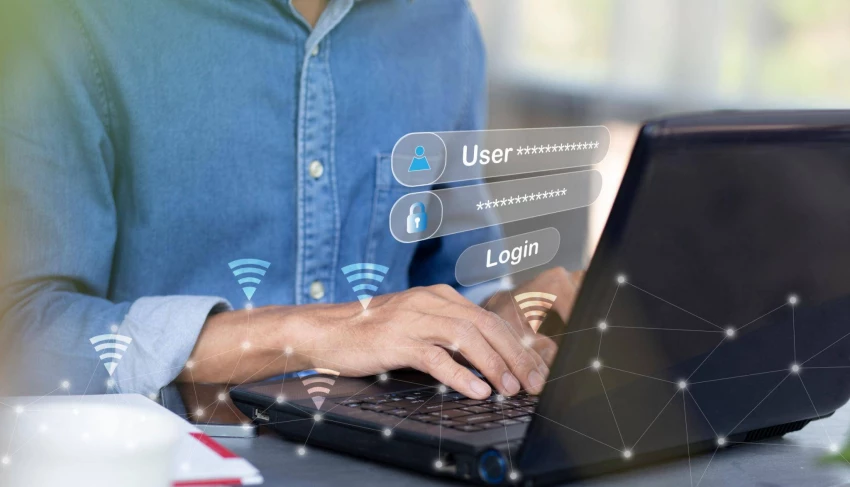
For years, digital privacy sounded like a technical discussion that only affected security researchers or large corporations. That perception changed once ordinary app users started seeing how aggressively modern platforms collect and process behavioral data.
Today, users regularly encounter:
● app permission requests asking for location access,
● tracking notifications,
● personalized advertising,
● browser privacy warnings,
● and account activity alerts tied to unusual locations or devices.
These constant reminders changed consumer awareness. People now understand that apps, websites, advertisers, and platforms collect far more information than most users originally assumed.
VPN adoption has grown alongside this awareness because users increasingly want more control over how their online activity is exposed. While a VPN cannot stop an app from collecting information voluntarily shared inside the platform, it can reduce visibility at the connection layer.
That distinction matters because many users misunderstand what VPNs actually do. They are not complete anonymity tools. They are connection privacy tools designed to reduce unnecessary exposure while data moves between the device and the internet.
Privacy is the serious reason behind VPN growth, but convenience played an equally important role in pushing VPNs into mainstream consumer awareness.
Streaming services, gaming platforms, online stores, and even search results now behave differently depending on geographic location. Travelers quickly notice that familiar apps may display different content libraries, pricing structures, or regional restrictions when accessed abroad.
This made VPNs more visible to ordinary consumers who were not actively searching for cybersecurity tools.
Three common use cases appear repeatedly among mainstream VPN users:
● Travelers use VPNs to maintain consistent access : Many international travelers rely on VPNs when websites, streaming platforms, or work tools behave differently across countries. Consistency often matters more to these users than advanced privacy features.
● Remote workers need stable and secure connections: Freelancers, consultants, and hybrid employees frequently work from hotels, cafés, airports, and shared spaces. VPNs help create a more secure connection when handling client files, dashboards, or cloud platforms outside trusted environments.
● Streaming and gaming users prioritize performance: Some users compare VPN providers based on streaming quality, connection speed, and server stability rather than privacy alone. This shifted VPNs into a broader consumer technology category.
This is why services such as NordVPN, ExpressVPN, Proton VPN, Mullvad, CyberGhost, and Surfshark are now evaluated similarly to mainstream apps. Users compare them based on usability, speed, compatibility, mobile experience, pricing, and reliability rather than purely technical specifications.
The rise of remote and hybrid work normalized concepts that once sounded overly technical to ordinary users. Before remote work became widespread, many people had never interacted with secure access systems or corporate VPN infrastructure.
That changed quickly once employees began accessing internal systems from home networks and public internet connections. Over time, this exposure reshaped how many people think about online security in their personal lives.
The shift influenced consumer behavior in several important ways:
● People became more aware of network vulnerability: Employees learned that the connection itself can become a weak point, especially when handling sensitive work information outside office environments.
● Secure access became part of routine behavior: Logging into protected dashboards, cloud drives, and remote collaboration tools made encrypted connections feel normal rather than specialized.
● Users began extending workplace habits into personal browsing: Once someone understands why businesses protect remote connections, it becomes easier to see the value of protecting personal browsing activity on the same networks.
This behavioral familiarity matters because mainstream adoption often follows routine exposure. Technologies that once felt advanced eventually become standard once users interact with them frequently enough.
The broader trend behind VPN adoption is not fear. It is normalization. Internet users are gradually building layered digital habits in response to a more connected and data-driven online environment.
Most people already understand the value of:
● strong passwords,
● two-factor authentication,
● biometric phone locks,
● encrypted messaging,
● and cloud backups.
VPNs are increasingly joining that same category of background digital utilities that operate quietly while users continue everyday online activity.
This reflects a larger shift in how people think about internet safety. Users no longer expect one app or platform to protect them automatically. Instead, they are building multiple layers of control around accounts, devices, connections, and browsing behavior.
VPN adoption is rising because internet usage itself became more mobile, fragmented, and network-dependent. People now work, stream, bank, communicate, and manage sensitive information across connections they often do not fully trust or control.
At the same time, awareness around data collection, app tracking, and network exposure has become far more mainstream. Users may not understand every technical detail behind encryption or server routing, but they increasingly understand the importance of controlling how and where their online activity travels.
That is why VPNs are no longer viewed as niche security products. For many users, they are becoming a practical and routine part of modern internet use, especially in a world where digital activity increasingly moves across public networks, cloud platforms, and mobile-first environments every single day.

DuckDuckGo Gains Momentum as Google’s AI Search Push Frustrates UsersDuckDuckGo...
Grace Howard3 days ago

The Elon Musk versus OpenAI trial has evolved far beyond a corporate dispute ove...
Grace Howard1 week ago
If Google is not finding your pages, the problem might not be your contentYou pu...
Funke Ogunleye1 month ago
Cloud storage is no longer just about saving files online. As data privacy conce...
Alexander Hughes2 months ago

Digital transactions have become the backbone of modern technology ecosystems. F...
John Nyarko3 months ago

ChatGPT’s app integrations let you turn a simple chat into a control panel for d...
John Nyarko4 months ago
Discussion