
Deevid AI carved out a useful niche in 2024 and 2025 by bundling several of the strongest commercial video models, including Veo 3, Sora 2, Kling AI, Runway, Seedance, and PixVerse, under a single subscription and a beginner-friendly workflow. For creators who wanted multi-model output without managing separate accounts, that aggregation alone justified the platform.
The field has tightened sharply since then. Native audio, multi-shot consistency, talking-head avatars, and in-video editing have all become table stakes, and several platforms now ship features Deevid AI either lacks or surfaces only through wrapped third-party models. Creators report three recurring frustrations: imperfect lip-sync on character dialogue, credit consumption that runs out faster than expected at five credits per video, and limited fine-tuning control after the initial generation.
The five platforms covered below are the alternatives that consistently surface in switch-from comparisons. Each one occupies a distinct lane rather than competing on identical features, which is why this comparison is alphabetical rather than ranked. A creator producing TikTok B-roll has different needs from a learning-and-development team localising training videos into twelve languages, and a single ranking would obscure that.
QUICK TAKE · The short version, before the detail For cinematic, photorealistic clips: Kling AI currently holds the top ELO benchmark score and starts at $6.99 monthly. For business and avatar-led explainers: HeyGen leads on multilingual reach with 175+ languages and starts at $24 monthly. For social-first short-form effects: Pika Labs offers strong viral motion tools and a usable 80-credit monthly free tier. For filmmaker-grade creative control: Runway ML provides Aleph in-video editing and Gen-4.5 from $12 to $15 monthly. For enterprise training and L&D: Synthesia covers 140+ languages with avatar-first workflows and a free 3-minute tier. |
Each platform was evaluated against the same five-point rubric: output quality, control over the generated scene, workflow speed, value relative to credit cost, and the realistic ceiling of the free tier. Pricing reflects vendor-published rates verified in May 2026 from official membership pages and corroborated against independent reviews from Zapier, PixVerse, Pickaxe, and G2. Feature claims came directly from vendor documentation where possible, with cross-checks against hands-on review coverage.
Honest weaknesses are surfaced for every tool. The space moves quickly, prices shift, and what works in May 2026 may need re-verification within six months. Vendor pricing pages should be checked directly before subscribing.
| 1 | Avatar-first AI video at business scale, with the strongest multilingual reach in this comparison. |
| BEST FOR Sales teams, learning-and-development groups, marketers, and anyone producing personalised or localised talking-head video at volume. |
HeyGen has carved out the avatar-and-presenter lane more aggressively than any rival. The platform offers more than eleven hundred stock avatars, supports custom avatar cloning from a short recorded sample, and translates a single English script into more than one hundred seventy-five languages with synchronised lip-sync. The Avatar IV technology released in 2025 introduced facial movements that hold up well even in close-up frames, which historically tripped up earlier avatar systems.
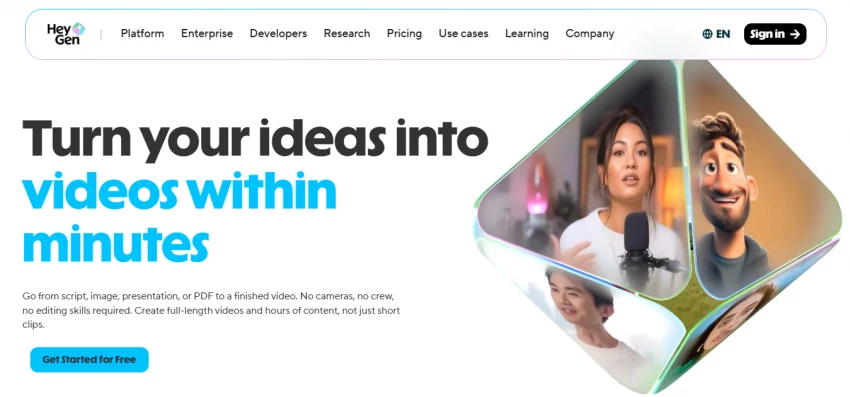
Beyond avatars, HeyGen ships a Video Agent automation layer that batches generation tasks, a SOC 2 Type II compliant infrastructure that has attracted enterprise customers including OpenAI, Samsung, and Coursera, and an API for integrating personalised video into CRM workflows. The free tier remains one of the most generous in this category, allowing meaningful evaluation of the full avatar pipeline before any commitment.
| DIMENSION | RATING | NOTE |
|---|---|---|
| Output realism | ■ ■ ■ ■ □ | Strong on avatars, weaker on generative scenes |
| Creative control | ■ ■ ■ ■ □ | Rich template library, scene-by-scene editing |
| Workflow speed | ■ ■ ■ ■ ■ | Sub-three-minute renders on most clips |
| Value at entry tier | ■ ■ ■ ■ □ | Free plan covers full avatar pipeline |
| Localisation reach | ■ ■ ■ ■ ■ | 175+ languages with native lip-sync |
What works. Avatar quality and language coverage are the strongest in this comparison, and the free tier permits a complete enterprise-style workflow test.
What works. Video Agent automation handles batch generation that would otherwise require manual repetition for every recipient.
What works. Native Salesforce, HubSpot, and CRM integrations make personalised outbound video genuinely scalable for sales teams.
Worth knowing. HeyGen is avatar-led, not text-to-cinematic. Creators chasing photorealistic landscape shots or stylised motion will find Kling or Runway stronger.
Worth knowing. Avatars can still drift on highly emotive scripts, with subtle gesture mismatches that show up in side-by-side review.
Worth knowing. Enterprise contracts climb quickly once SSO, audit logs, and custom avatar creation enter the picture, with custom avatars listed at roughly $1,000 per avatar per year.
• Free: $0 monthly. One seat, three videos, full access to 1,100+ stock avatars
• Creator: $24 monthly. Watermark-free exports, custom avatar creation, longer videos
• Team: $39 per seat monthly. Collaboration, brand kit, priority rendering
• Enterprise: Custom quote. SSO, audit logs, Video Agent at scale, SOC 2 Type II
| VERDICT Strongest pick when the deliverable is a presenter saying something, especially across multiple languages or to large recipient lists. Less suited to cinematic generative video. |
| 2 | The cinematic quality leader in 2026, with the top ELO benchmark and an unusually low entry price. |
| BEST FOR Creators producing short films, brand reels, photorealistic ads, and dialogue-led narrative clips that need cinematic motion. |
Developed by Kuaishou Technology, Kling AI has spent the past eighteen months climbing the ELO benchmark for AI video models. The Kling 3.0 release in February 2026 currently ranks first across all commercial AI video models, ahead of Google Veo 3.1, Runway Gen-4.5, and Pika 2.2. Independent reviewers consistently flag Kling for the realism of human figures, the stability of multi-subject scenes, and the smoothness of dynamic lighting.
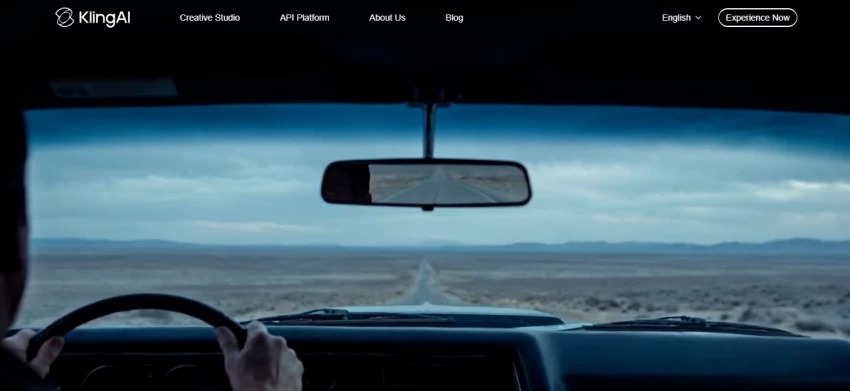
The pricing also stands out. The Standard tier opens at $6.99 monthly on the first cycle (renewing at $8.80 monthly), which is materially cheaper than any rival in this comparison at the equivalent feature level. Commercial use rights are included from the Standard tier upward, and videos can run up to three minutes long, the longest cap among the five tools reviewed here.
| DIMENSION | RATING | NOTE |
|---|---|---|
| Output realism | ■ ■ ■ ■ ■ | Top ELO score across major benchmarks |
| Creative control | ■ ■ ■ ■ □ | Motion Control feature; less granular than Runway |
| Workflow speed | ■ ■ ■ ■ □ | Standard plan can queue during peak demand |
| Value at entry tier | ■ ■ ■ ■ ■ | Standard at $6.99 is the lowest priced commercial tier |
| Localisation reach | ■ ■ ■ □ □ | No native multilingual avatar pipeline |
What works. Photorealistic motion holds up across complex prompts where rivals fall apart, particularly on human figures and naturalistic lighting.
What works. Three-minute maximum video length removes the typical ten-second ceiling that other generative platforms impose.
What works. Native audio in Kling 3.0 covers dialogue, ambient sound, and background music in a single generation pass.
Worth knowing. Credit costs climb sharply in Professional mode and with native audio enabled, with a 10-second 1080p clip running roughly 80 credits in Kling 3.0 Professional.
Worth knowing. Failed generations still consume credits with no refund, a pattern flagged repeatedly in independent reviews.
Worth knowing. Early access to Kling 3.0 at full capacity is prioritised for Ultra subscribers, which means lower tiers may see queue delays during peak demand.
• Free: $0. 66 daily credits, 720p, watermark, non-commercial only
• Standard: $6.99 monthly (intro). 660 credits, watermark removal, commercial rights
• Pro: $25.99 monthly. 3,000 credits, professional mode, 1080p
• Premier: $64.99 monthly. 8,000 credits, priority queue
• Ultra: $127.99 monthly. 26,000 credits, Kling 3.0 early access
| VERDICT The strongest choice when output quality is the primary requirement and the deliverable is generative rather than presenter-led. Budget the credit math carefully. |
| 3 | Pika Labs A social-first AI video tool with the strongest collection of viral motion effects. |
| BEST FOR Solo creators publishing daily to TikTok, Reels, and YouTube Shorts who want fast generation with playful motion effects. |
Pika Labs takes a different approach from Kling or Runway. Rather than chasing photorealism, the platform leans into creative-effect tooling. Pikaffects, the platform's signature feature set, includes object explosions, melt transitions, and physics-driven transformations that have become recognisable on short-form social feeds. Pika 2.5 added improved temporal consistency and stronger prompt adherence, narrowing the quality gap with the photorealism leaders without losing the creative-effect identity.
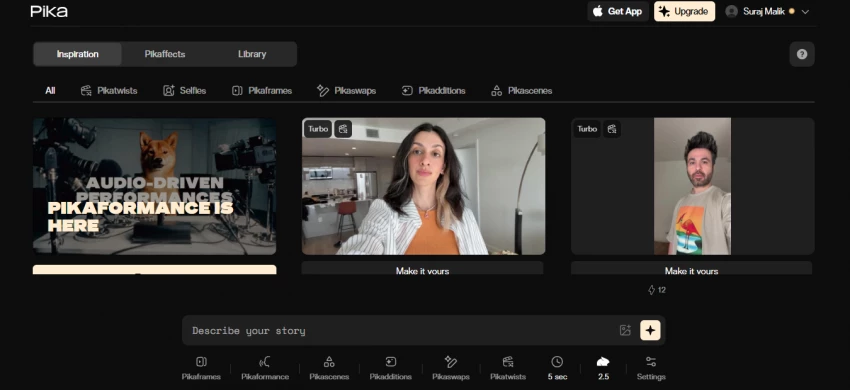
Clip length stays short, typically three to ten seconds, which aligns with social-feed pacing rather than narrative storytelling. The free Basic plan includes eighty monthly video credits, which makes Pika the most generous ongoing free tier among generative-only video platforms, though outputs cap at 480p until a paid plan kicks in.
| DIMENSION | RATING | NOTE |
|---|---|---|
| Output realism | ■ ■ ■ □ □ | Strong on stylised motion, weaker on photorealism |
| Creative control | ■ ■ ■ ■ ■ | Pikaffects toolkit unmatched in this category |
| Workflow speed | ■ ■ ■ ■ ■ | Fastest generation times in the comparison |
| Value at entry tier | ■ ■ ■ ■ □ | Useful 80-credit ongoing free tier |
| Localisation reach | ■ ■ □ □ □ | No native multilingual workflow |
What works. Pikaffects deliver viral-ready motion effects that none of the photorealism-first rivals match for stylised short-form content.
What works. Generation speed is the fastest in this comparison, which matters for high-frequency posting workflows.
What works. Free tier is genuinely usable for testing, with 80 monthly credits that refresh and no one-time-only cap.
Worth knowing. Photorealism trails Kling, Runway, and Google Veo by a clear margin, which limits Pika for ads requiring naturalistic human figures.
Worth knowing. Clip length caps at roughly ten seconds, which is restrictive for narrative or long-form video work.
Worth knowing. Commercial rights require the paid Standard tier upward; the free Basic plan is restricted to personal use only.
• Basic (Free): $0. 80 monthly video credits, 480p, no commercial rights
• Standard: $10 monthly. 700 credits, 1080p, watermark-free, commercial use
• Pro: $35 monthly. 2,300 credits, faster rendering, all effect packs
• Fancy: $95 monthly. 6,000 credits, priority queue, top resolution
| VERDICT Best when the brief is short-form, social-first, and stylistically distinctive. Look elsewhere if photorealism or narrative length matter. |
| 4 | Runway ML A professional creative platform with the deepest editing toolkit and the only AI in-video editor in this comparison. |
| BEST FOR Filmmakers, agencies, and brand creative teams that need granular control, multi-model access, and post-generation editing. |
Runway has evolved from a niche Gen-2 experiment into one of the broadest creative AI platforms on the market. The 2026 pricing structure now bundles Runway's own Gen-4.5 model alongside third-party access to Google Veo 3.1, Kling 3.0 Pro, Seedance, and FLUX from a single subscription. That multi-model marketplace approach lets creators pick the right model for each shot rather than committing to one provider.
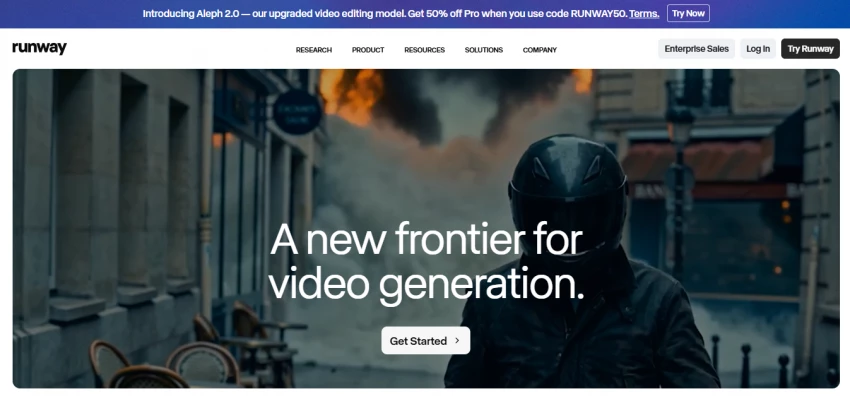
Two features set Runway apart from rivals in this comparison. Aleph, released in July 2025, is an in-video editing system that allows post-generation modifications through text prompts without regenerating entire videos. Tasks like adding rain, relighting a scene, or removing an object now take a prompt rather than a re-render. Act-Two adds motion-capture-style character animation. Combined with 4K upscaling, granular camera and motion brush controls, and a collaborative workspace, Runway pulls clearly ahead of pure generative tools on creative control.
| DIMENSION | RATING | NOTE |
|---|---|---|
| Output realism | ■ ■ ■ ■ ■ | Gen-4.5 plus Veo 3.1 access via the same plan |
| Creative control | ■ ■ ■ ■ ■ | Camera Control, Motion Brush, Aleph in-video editor |
| Workflow speed | ■ ■ ■ ■ □ | Strong, but Explore Mode required for unlimited iteration |
| Value at entry tier | ■ ■ ■ □ □ | Free tier is 125 one-time credits, not monthly |
| Localisation reach | ■ ■ ■ □ □ | Avatar workflows not native |
What works. Aleph in-video editing is unmatched in this category and removes hours of manual frame-by-frame work.
What works. Multi-model access under one subscription lets creators pick Gen-4.5, Veo 3.1, or Kling depending on the shot, all from one credit balance.
What works. Granular camera and motion controls suit storyboarded shoots where each shot needs deliberate framing.
Worth knowing. The free tier offers only 125 one-time credits with no monthly refresh, which makes genuine evaluation difficult before committing to a paid plan.
Worth knowing. Credit consumption is heavier than Kling for equivalent output, with a 10-second Gen-4 clip running roughly 50 credits versus 20 to 35 for Kling 2.6.
Worth knowing. Premium models like Gen-4 and audio generation still draw credits even on the Unlimited plan, just at a reduced rate.
• Free: $0. 125 one-time credits, Gen-4 Turbo image-to-video only
• Standard: $15 monthly ($12 annual). 625 monthly credits, full model access
• Pro: $35 monthly ($28 annual). 2,250 credits, 4K upscaling, priority queue
• Unlimited: $95 monthly ($76 annual). Unlimited generations in Explore Mode, 2,250 premium credits
• Enterprise: From roughly $800 monthly. API access, SSO, custom models, 5+ seats
| VERDICT The strongest choice when creative control, post-generation editing, and access to multiple models matter more than the headline subscription price. |
| 5 | Synthesia The enterprise-grade AI video studio for corporate training, with the deepest template library and the broadest compliance footprint. |
| BEST FOR Learning-and-development teams, corporate communications functions, and global enterprises producing training, onboarding, and internal video at scale. |
Synthesia occupies the enterprise lane more firmly than HeyGen, although the two compete directly. The platform reports more than fifty thousand teams as customers, including a significant share of Fortune 100 companies, and concentrates on structured corporate use cases: training modules, onboarding flows, product walkthroughs, and multilingual internal communications. The avatar library covers more than two hundred thirty stock avatars and supports custom avatar creation, with 140-plus languages and native lip-sync.
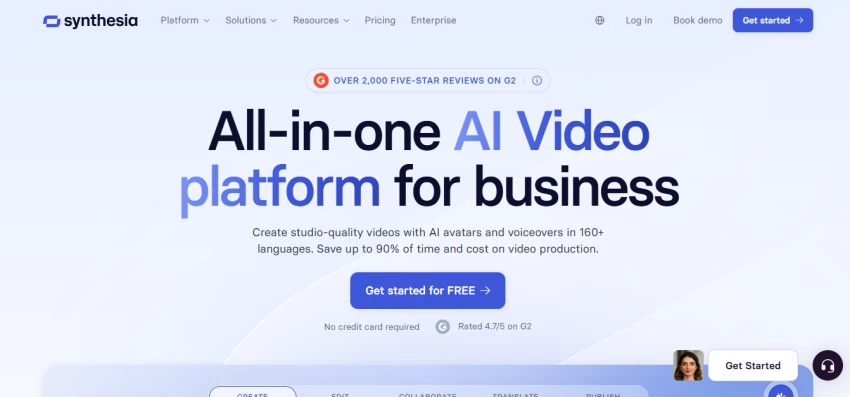
Recent updates have widened the platform beyond pure avatar work. The AI Playground integrates Veo 3.1 and Sora 2 for generating B-roll assets, the PowerPoint-to-video converter retains original designs while turning speaker notes into scripts, and the Copilot assistant helps with script writing. Where Synthesia separates itself most sharply is on compliance: SCORM export, SAML SSO, audit logs, and the deepest template library for structured training content are all gated to Enterprise but are genuinely best-in-class.
| DIMENSION | RATING | NOTE |
|---|---|---|
| Output realism | ■ ■ ■ ■ □ | Strong avatars, less compelling for generative B-roll |
| Creative control | ■ ■ ■ ■ □ | Templates and scene editing rich for structured content |
| Workflow speed | ■ ■ ■ ■ □ | PowerPoint-to-video saves real time |
| Value at entry tier | ■ ■ ■ □ □ | Three-minute free tier is evaluation-only |
| Localisation reach | ■ ■ ■ ■ ■ | 140+ languages with consistent lip-sync |
What works. SCORM export, SAML SSO, and audit logs are essential for regulated industries and Synthesia ships them as native Enterprise features.
What works. The PowerPoint-to-video converter turns existing training assets into avatar-led videos without rebuilding decks from scratch.
What works. The 140-plus-language coverage with consistent lip-sync supports global learning programmes from a single source script.
Worth knowing. Self-serve pricing climbs steeply once monthly video minutes are needed in volume, with the Creator plan capped at thirty minutes monthly.
Worth knowing. Enterprise contracts typically start in the low five figures annually based on Vendr marketplace data showing a median of roughly $30,000 across verified purchases.
Worth knowing. Custom avatar creation costs roughly $1,000 per avatar annually, which adds up for organisations needing multiple branded presenters.
• Free: $0 monthly. Three video minutes, nine avatars, watermarked
• Starter: $29 monthly ($22 annual). Ten minutes, 125+ avatars, three personal avatars
• Creator: $89 monthly ($67 annual). Thirty minutes, 180+ avatars, API access
• Enterprise: Custom quote. Unlimited minutes, 240+ avatars, SCORM, SSO, audit logs
| VERDICT Strongest pick when the deliverable is structured corporate video, especially training or onboarding that needs compliance features and multilingual reach. |
The lowest entry tier in the comparison sits at Kling AI's $6.99 monthly intro rate, while Synthesia carries the highest published entry tier at $29 monthly. Free tiers exist across all five platforms, but only HeyGen, Pika, and Kling offer ongoing free credits rather than one-time evaluation allotments.
| Platform | Free tier | Entry plan | Mid plan | Top tier |
|---|---|---|---|---|
| HeyGen | Free | $24 | $39 | Custom |
| Kling AI | Free | $6.99 | $25.99 | $127.99 |
| Pika Labs | Free | $10 | $35 | $95 |
| Runway ML | Free | $15 | $35 | $95 |
| Synthesia | Free | $29 | $89 | Custom |
All prices reflect publicly available rates verified in May 2026. Annual billing typically discounts the headline monthly figure by twenty to thirty-eight percent depending on the platform.
Selecting between these five is rarely about which one is universally best. It is about which platform's lane lines up with the work. The recommender below maps the most common creative briefs to the platform that handles them with the least friction.
| IF THE GOAL IS… | PICK THIS |
|---|---|
| Producing a cinematic product reel or short film with photorealistic human figures. | Kling AI. Top benchmark scores and the lowest entry price of the cinematic-quality leaders. |
| Generating localised sales or onboarding videos in 10+ languages from one script. | HeyGen. Strongest multilingual lip-sync and a free tier that covers the full pipeline. |
| Posting daily short-form content with playful viral motion effects. | Pika Labs. Pikaffects toolkit and the fastest generation speeds in the comparison. |
| Editing a generated scene after the fact, removing objects, or changing lighting. | Runway ML. Aleph in-video editing is unmatched among rival platforms. |
| Building SCORM-compliant training modules for a regulated enterprise. | Synthesia. Native SCORM export, SSO, audit logs, and the deepest L&D template library. |
| Building a multi-model creative workflow from a single subscription. | Runway ML. Bundles Gen-4.5 alongside Veo 3.1, Kling 3.0 Pro, and Seedance under one credit balance. |
| Testing AI video quality with no upfront commitment and no one-time-credit gimmick. | Kling AI or Pika Labs. Both offer ongoing free credits that refresh, unlike Runway's 125 one-time credits. |
AI video pricing changes frequently, often quarterly. The Standard tier of HeyGen rose by roughly seventeen percent over the past twelve months, Synthesia restructured its credit system in early 2026, and Kling AI's intro pricing on the Standard tier carries a renewal increase from $6.99 to $8.80 monthly after the first cycle. Anyone making a multi-month commitment should run the credit math on actual workflow volume before locking into annual billing, and treat the first month as a real test rather than a setup phase.
The honest shortcut for most creators evaluating Deevid AI alternatives: pick two platforms from the recommender above based on the dominant use case, run thirty-day trials in parallel on real briefs, and decide based on which one removes the most friction from the workflow that consumes the most time. Feature-checklist comparisons rarely settle the question. Real production output does.
New Claude Model Targets Agentic AI WorkflowsAnthropic has launched Claude Sonne...
Samuel Osei3 months ago
Gemini’s Image Tools Get a Wider RolloutGoogle is expanding access to Gemini’s p...
Alexander Hughes3 months ago
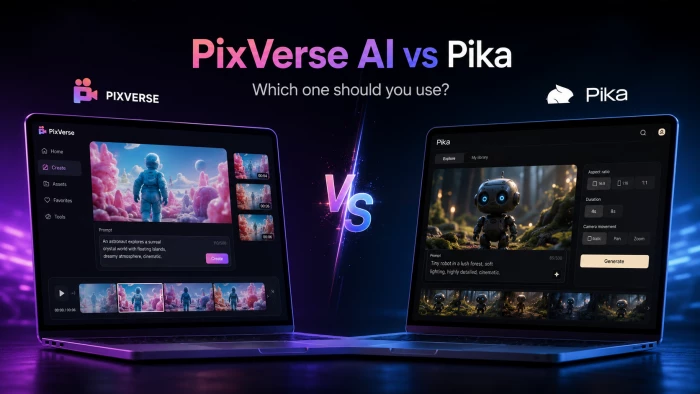
Two AI video generators, two very different first days. I ran PixVerse through i...
Alexander Hughes3 months ago
Two of the most talked-about AI chat platforms. I opened both, picked a characte...
Alexander Hughes3 months ago
The two-minute versionIf you only read one thing, read this. The rest of the doc...
Alexander Hughes3 months ago
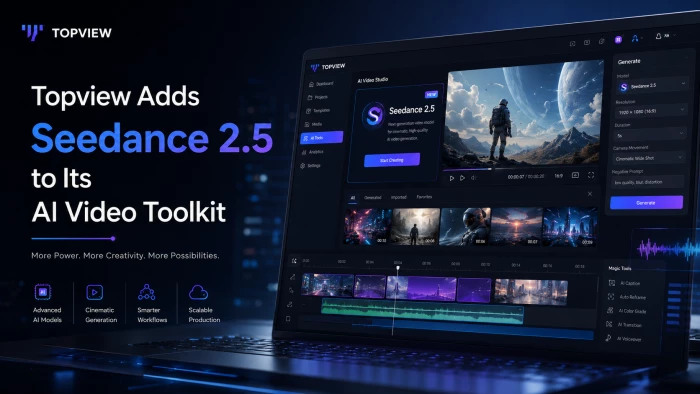
Why Seedance 2.5 mattersSeedance 2.5 is the latest release in ByteDance’s Seedan...
Alexander Hughes3 months ago
Discussion