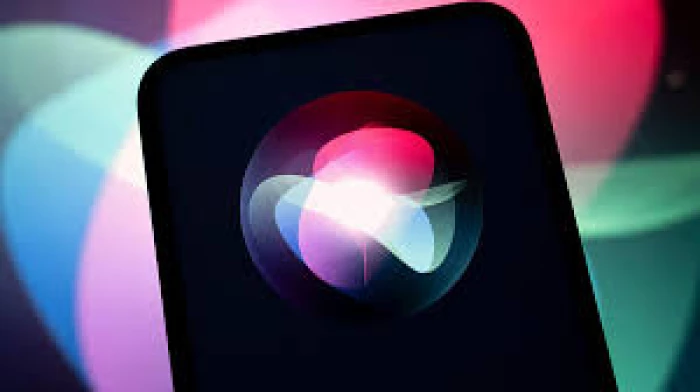
Apple’s Siri overhaul may have taken most of the attention at WWDC, but iOS 27’s most useful AI changes may be the smaller features built directly into everyday iPhone apps.
The update shows Apple taking a practical route with artificial intelligence. Instead of making every AI feature feel like a chatbot, the company is placing intelligence inside Messages, Wallet, Photos, Calendar, Safari, Passwords, and Shortcuts. These are not the loudest announcements, but they may be the ones users notice most in daily life.
The strategy is clear. Apple wants AI to reduce taps, shorten common tasks, and make the iPhone feel more aware of what users are trying to do. That approach fits the iPhone better than a separate AI app that users must remember to open. Apple is making AI part of the phone’s normal behavior.
iOS 27 is therefore not only about a smarter Siri. It is about an iPhone that can read context, suggest actions, find information, and complete small tasks before users have to do everything manually.
Apple is not treating AI as one big feature.
In iOS 27, artificial intelligence is showing up as a set of small improvements across the operating system. That matters because most people do not use their phones by thinking, “I need AI now.” They use apps. They text friends, pay bills, save passwords, search photos, add calendar events, split expenses, and manage reminders.
Apple’s bet is that AI becomes more useful when it appears inside those moments.
A smarter assistant can be impressive, but a useful phone is built through repeated convenience. If iOS 27 can help users reply faster, find the right photo, update a compromised password, or create an event without filling out every field manually, the AI value becomes easier to understand.
This is different from the flashier AI race. Apple is not only trying to prove that it can build a powerful model. It is trying to show that AI can quietly improve the iPhone’s existing habits.
One of the most practical iOS 27 features is smarter bill splitting in Apple Wallet.
The feature is designed to help users divide shared expenses more easily. Instead of manually calculating what each person owes after a meal, trip, event, or group purchase, the iPhone can help handle the split in a more direct way.
This fits Apple Wallet’s broader direction. Wallet is no longer only a place for cards and passes. It is becoming a financial utility layer for payments, tickets, IDs, transactions, orders, and shared money activity.
Bill splitting is not a futuristic AI feature, but that is exactly why it matters. It solves a common social problem. People already split restaurant bills, ride costs, hotel bookings, group gifts, and event expenses. If the iPhone can make that easier, the feature has immediate value.
Apple’s advantage is that Wallet is already connected to payment behavior. Adding intelligence there makes the app more useful without requiring users to learn something completely new.
iOS 27 also brings AI-supported password updates, including the ability to handle compromised passwords more easily.
This is one of the clearest examples of Apple using AI for security convenience. Many users know they should update weak or leaked passwords, but the process is annoying. They have to open a website, log in, find account settings, create a new password, save it, and make sure it works.
Because the process is tedious, people delay it.
Apple’s new approach can reduce that friction by helping users update passwords with fewer manual steps. That could make a real difference because security only works when people actually follow through.
The feature also strengthens Apple’s privacy-first positioning. Instead of making users rely on third-party password tools or ignore warnings, Apple is building more account safety directly into the iPhone.
This is the kind of AI feature that may not feel dramatic, but it can protect users from real-world risks.
Messages is also getting AI-powered improvements that help users respond and find content faster.
Reply suggestions are becoming more useful because they can understand the context of a conversation. Instead of offering generic responses, the system can suggest replies that better match what someone is asking. That can make texting faster, especially for simple coordination, confirmations, reminders, and casual replies.
Messages is also gaining the ability to surface photos based on a text description. That means users can find the right image without scrolling through their entire camera roll.
This is a practical upgrade. People often want to send a specific photo in a chat, but finding it can take time. A user might remember the scene, the person, the place, or the object, but not the date. AI-powered search makes that easier.
The larger point is that Apple is turning Messages into a more intelligent communication tool. It is not only helping users write. It is helping them act on the conversation.
Apple’s AI work in Photos continues the same theme.
The iPhone camera roll has become a massive personal archive. People have thousands of images and videos stored over years. Traditional search can help, but only when users know the right keyword or remember the right date.
iOS 27 makes photo discovery more natural by letting users describe what they are looking for. That could be a person, location, object, scene, event, color, or moment.
This is one of the most useful consumer AI features because it connects directly to personal memory. Users do not want to search like a database. They want to search the way they remember things: “the photo from the beach with the red bag,” “the dinner picture from last winter,” or “the screenshot with the hotel name.”
AI makes that kind of search more realistic.
For Apple, Photos is also a privacy-sensitive area. The company will need to keep emphasizing how image understanding works and where processing happens, especially as personal photo libraries become more searchable through natural language.
Calendar is becoming easier to use with natural-language event creation.
Instead of manually choosing a date, time, title, invitees, and location, users can type or speak a more natural request. The system can understand the details and create the event automatically.
This is a small change with a large everyday effect. Calendar apps are useful, but creating events can still feel clunky on a phone. Users often receive plans in Messages, Mail, or Notes, then manually copy the information into Calendar.
AI can reduce that copying.
If someone says, “Dinner with Priya next Friday at 8,” the iPhone should be able to understand the person, time, and event title. If more context is available in the conversation, it may be able to fill in even more.
This is exactly where Apple’s ecosystem can matter. The iPhone already has access to the user’s contacts, messages, calendar, and location context, with permission. AI can turn that context into action.
Shortcuts has always been powerful, but not always friendly.
Many iPhone users never use it because building automations can feel technical. The visual scripting system gives advanced users a lot of control, but it can be intimidating for people who do not think in workflow blocks.
iOS 27 uses AI to make Shortcuts more approachable. Users can describe what they want to automate in natural language, and the system can help build the shortcut.
This could be one of the most important long-term features in the update.
If Apple can make automation easier, more users may start creating workflows for daily tasks. That could include saving files, sending routine messages, organizing photos, logging information, opening app combinations, creating reminders, or preparing work routines.
Shortcuts is where Apple’s AI strategy could become more agent-like. Instead of only answering questions, the iPhone can start helping users build actions across apps.
The most interesting part of iOS 27 is that many AI features do not look like chatbot features.
That is a smart choice. Chatbots are useful, but they are not always the best interface for mobile tasks. Sometimes users do not want a conversation. They want one tap, one suggestion, one completed form, or one fixed problem.
Apple understands that the iPhone is a task machine. It is used in short bursts throughout the day. AI on the iPhone must therefore be fast, contextual, and easy to trust.
That is why features such as password updates, bill splitting, natural-language Calendar entries, smarter Messages suggestions, and Photos search may matter more than a long AI conversation. They fit into existing behavior.
This is Apple’s strongest AI argument. The company may not always move first, but it can make AI feel normal by embedding it into apps people already use.
Apple’s AI strategy still depends heavily on trust.
The company has built its AI messaging around on-device processing, Private Cloud Compute, and user privacy. That matters because iOS 27’s AI features touch personal areas of the phone: messages, photos, passwords, calendars, contacts, payments, and browsing.
These are not low-stakes features. If AI is going to help with passwords, understand conversations, search personal photos, or create calendar events, users need confidence that their data is handled carefully.
Apple’s challenge is to make powerful features feel private and predictable. If users feel that the iPhone is reading too much or acting without clear permission, trust could weaken.
The best version of iOS AI is one where the phone helps quietly but remains transparent about what it is doing.
Apple’s AI reputation will not be shaped only by Siri.
Siri matters because it is the most visible symbol of Apple’s assistant strategy. But many users will judge iOS 27 by smaller moments. Did the phone help them find the right photo? Did it suggest the correct reply? Did it update a risky password? Did it split a bill correctly? Did it create a calendar event without mistakes?
These small wins are important because they build habit.
A chatbot can impress once. A useful operating system earns trust repeatedly. Apple’s opportunity is to make AI feel like a natural extension of the iPhone rather than a separate technology layer.
That may be the real story of iOS 27.
The update shows Apple moving AI into the places where users already spend time. Siri may be the headline, but the practical features across Wallet, Messages, Photos, Calendar, Passwords, and Shortcuts could be what make Apple Intelligence feel useful.
If those features work reliably, iOS 27 may not be remembered only as the year Siri finally changed. It may be remembered as the year AI became part of the ordinary iPhone experience.

New Claude Model Targets Agentic AI WorkflowsAnthropic has launched Claude Sonne...
Samuel Osei3 months ago
Gemini’s Image Tools Get a Wider RolloutGoogle is expanding access to Gemini’s p...
Alexander Hughes3 months ago
Two AI video generators, two very different first days. I ran PixVerse through i...
Alexander Hughes3 months ago
Two of the most talked-about AI chat platforms. I opened both, picked a characte...
Alexander Hughes3 months ago

The two-minute versionIf you only read one thing, read this. The rest of the doc...
Alexander Hughes3 months ago
Why Seedance 2.5 mattersSeedance 2.5 is the latest release in ByteDance’s Seedan...
Alexander Hughes3 months ago
Discussion