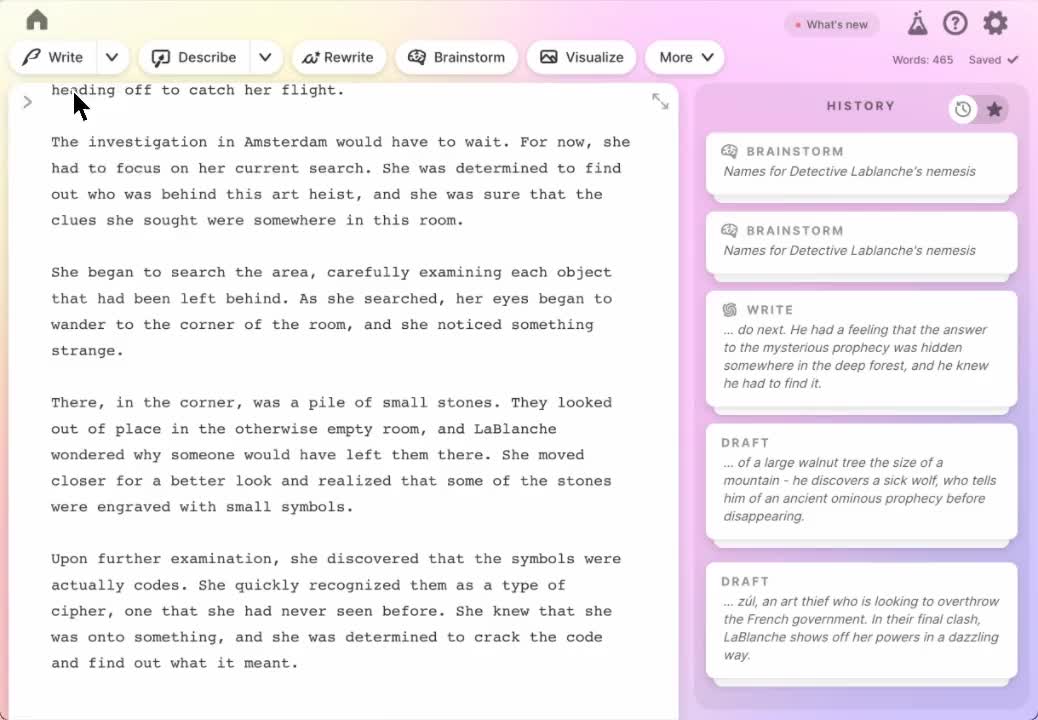
Sudowrite and NovelAI both help fiction writers, but they solve the problem in very different ways. Sudowrite feels like a guided co-writer built for structure, editing, and long-form drafting, while NovelAI feels like a creative sandbox built for freedom, privacy, and zero censorship.
The better choice depends on how you write. If you want help staying organized and polishing scenes, Sudowrite is the stronger fit. If you want more control, fewer guardrails, and a deeper worldbuilding environment, NovelAI is easier to live with.

| Plan type | Sudowrite | NovelAI |
| Entry-level | Higher monthly starting cost | Lower monthly starting cost |
| Mid-tier | Credit-based plans | Unlimited text on paid plans |
| Top-tier | Higher-cost plan with more credits | Higher tier with larger context and more image capacity |
| Billing style | Credits and usage limits matter | Simpler unlimited text model |
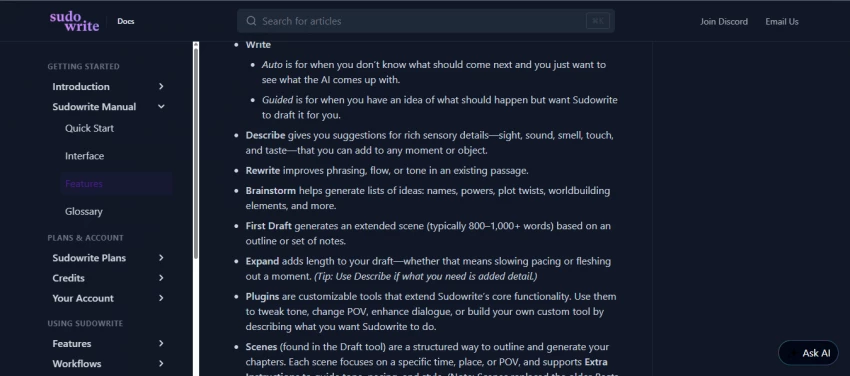
Sudowrite uses a credit system, so your actual value depends on how much you use premium models. NovelAI is simpler because paid plans allow unlimited text generation, and the main differences between tiers are context size, image generation capacity, and model access.
This is one of the biggest differences between the two tools. Sudowrite sends text through third-party AI systems, so your writing passes through external providers, and filtering can vary based on the model you choose.
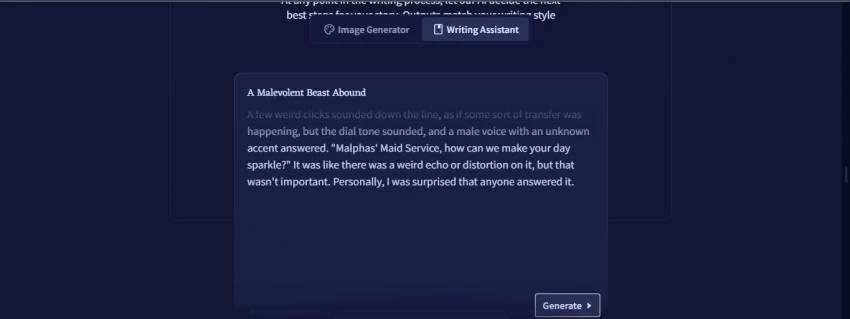
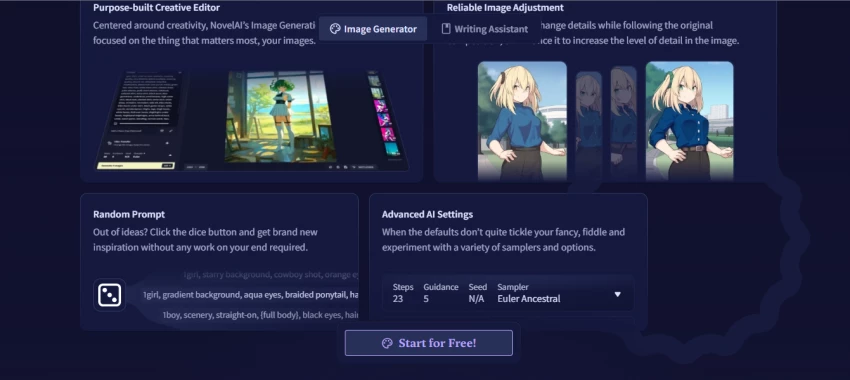
NovelAI was built with privacy and freedom at the center. It keeps text end-to-end encrypted and does not impose the same kind of content restrictions, which makes it much more appealing for writers who want to work without creative interference.



| Need | Better pick |
| Structured novel drafting | Sudowrite |
| Strong editing support | Sudowrite |
| Deep worldbuilding | NovelAI |
| Privacy-focused writing | NovelAI |
| Zero censorship | NovelAI |
| Image generation with fiction | NovelAI |
| Guided co-writing | Sudowrite |
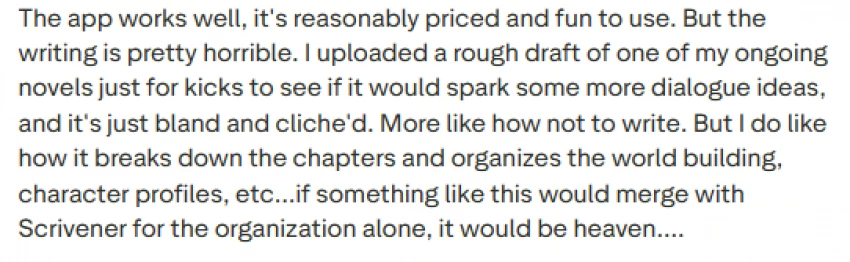
Sudowrite is the better choice for writers who want a structured, guided, and editing-friendly workflow. NovelAI is the stronger choice for writers who want freedom, privacy, and a broader creative sandbox.
If your process depends on planning, revising, and polishing, Sudowrite will probably feel more useful. If your process depends on experimentation, worldbuilding, and unrestricted storytelling, NovelAI will likely feel more natural.

New Claude Model Targets Agentic AI WorkflowsAnthropic has launched Claude Sonne...
Samuel Osei3 months ago

Gemini’s Image Tools Get a Wider RolloutGoogle is expanding access to Gemini’s p...
Alexander Hughes3 months ago
Two AI video generators, two very different first days. I ran PixVerse through i...
Alexander Hughes3 months ago
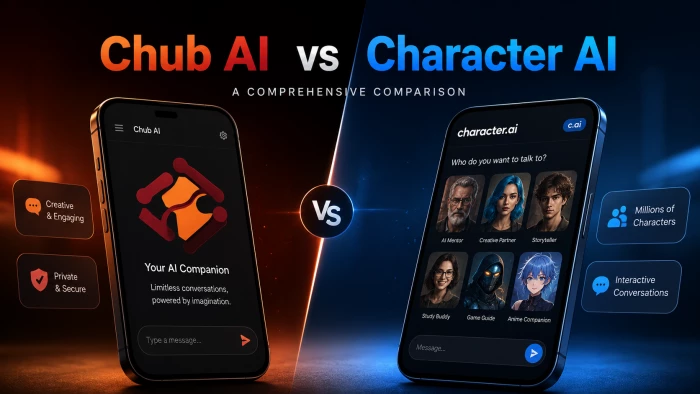
Two of the most talked-about AI chat platforms. I opened both, picked a characte...
Alexander Hughes3 months ago

The two-minute versionIf you only read one thing, read this. The rest of the doc...
Alexander Hughes3 months ago
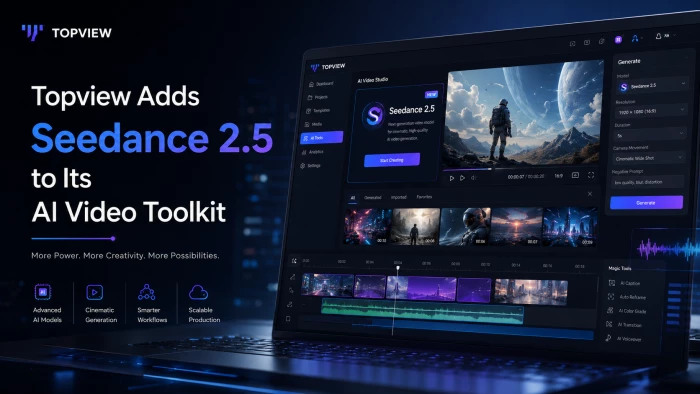
Why Seedance 2.5 mattersSeedance 2.5 is the latest release in ByteDance’s Seedan...
Alexander Hughes3 months ago
Discussion