
ThinkOfGames.com is the kind of site you end up bookmarking quietly and then realizing you’re using every time a new game catches your eye. It doesn’t scream for attention, but it does a lot of heavy lifting in the background: long reviews, detailed guides, and a community that isn’t afraid to disagree with the “official” score.

ThinkOfGames.com is a gaming website that focuses on three big things: detailed game reviews, practical guides, and player feedback across PC, console, mobile, and even free browser games. It’s built for people who like to research their games a bit before and after buying, not just watch a trailer and hope for the best.
On top of that, there’s a surprisingly big section of free browser titles. If you’re in the mood to play something instantly without installing anything, that side of the site can eat entire evenings.
ThinkOfGames didn’t pop up as a pure news portal or a marketing mouthpiece. It grew around reviews first, then added guides, news, opinion pieces, and community features over time. Its vibe is more “test and report back” than “hype and move on.”
It sits somewhere between big editorial brands and score aggregators. Instead of just adding a number to Metacritic or chasing every trailer, it tries to be the serious review you read when you actually care about where your money and time are going.
If you imagine IGN as a glossy gaming magazine and Metacritic as a giant scoreboard, ThinkOfGames is the friend who actually finishes the game and sends you a long, thoughtful message about it.
Reviews are the backbone of ThinkOfGames.com. They’re longer, more structured, and more methodical than the quick takes you see on many general sites.
Most reviews follow a clear pattern: they explain what the game is trying to do, unpack the core mechanics and loops, look at graphics and audio, talk about story when it matters, and then weigh replay value and price before landing on a verdict. Hours played are usually substantial, often in the 15–40 hour range, and performance is discussed with specifics rather than vague “runs fine” comments.
Scoring is broken into multiple factors: gameplay, visuals, audio, story, and value then combined into a final rating. Pros and cons are listed explicitly, which makes it easier to see whether a game is a good fit for your taste even if it’s technically “good.”
What stands out is that the reviews don’t just say “buy” or “skip.” They tend to say, “This is good for this kind of player, at this budget, under these conditions.”
Where ThinkOfGames becomes genuinely useful on a day‑to‑day level is its guide section. Once you’ve bought a game, you can lean on it as a long‑term companion.
You’ll find story and quest walkthroughs, boss fight breakdowns, build and loadout recommendations, achievement checklists, performance tips, and troubleshooting guides for crashes or odd bugs. The tone is practical and direct, written to be followed, not admired. Steps are broken down clearly and the language tends to stay approachable, which makes it friendly for newer or more casual players.
The trade‑off is familiar to anyone who’s used game guides: live‑service titles and frequently patched games move quickly. Some guides lag behind big updates or balance patches, and niche games can sit in the queue before someone revisits them. The structure is good, but keeping everything perfectly fresh is a constant battle.
ThinkOfGames doesn’t try to be the fastest site on every single headline. Instead, its news and editorial content tends to orbit the games it reviews and the broader systems they sit in.
There are release and patch articles, of course, but you’ll also see pieces on esports updates, monetization trends, bonus systems in online games, and how game platforms are evolving into full interactive ecosystems. These articles help explain not just whether a game is worth your time, but also what it represents in the current industry climate.
If you like to understand why a game is built the way it is not just whether it’s fun these pieces add useful context.
One of the more thoughtful design choices on ThinkOfGames is how it handles community input. Rather than hiding user voices at the bottom, it puts them alongside the editorial view.
Users can create accounts, leave comments on reviews and guides, participate in forum‑style discussions, and submit their own ratings. Editor scores and community scores are displayed separately, which instantly shows you whether there’s harmony or tension between critics and players. It’s often revealing when a game has a strong critic score but players drag it down due to bugs, grind, or aggressive monetization.
Moderation and basic verification rules help keep spam and low‑effort trolling from overwhelming the conversation. The result isn’t perfectly clean, but it’s much more usable than a completely unfiltered comment wasteland.
The way ThinkOfGames is laid out tells us a lot about what it cares about.
On desktop, you get a big search bar, clear categories (reviews, guides, news, browser games), and filters to narrow down by platform, genre, score, or release date. Game listing cards show you titles, platforms, and scores at a glance. The design is clean, mostly text‑first, and easy to read.
On mobile, everything is still there: reviews, guides, filters but you really feel the ad‑supported model. There can be layout shifts, pop‑ups, and the occasional bit of lag, especially on slower connections. It’s not unusable, but it does occasionally get in the way of an otherwise solid experience.
Here’s the short version:
| Aspect | What works well | What doesn’t always work well |
| Navigation | Simple menus, strong search, useful filters | Long lists can feel heavy on slow networks |
| Layout | Clean and readable on desktop | Ads can interrupt the flow on some pages |
| Mobile | Full content available on phones | Layout shifts, pop‑ups, occasional stutter |
ThinkOfGames leans on both breadth and depth. It has thousands of reviews and guides covering PC, PlayStation, Xbox, Nintendo, and mobile games. It doesn’t just chase this year’s biggest shooters and RPGs; there’s decent coverage of AA and indie games too.
Then there’s the free browser‑games section, with over a thousand titles you can just click and play. If you’re the sort of person who likes to browse and try things rather than only sticking to marketed blockbusters, this side of the site adds a lot of value.
In practice, it feels less like a blog and more like a library you dip into depending on what you’re playing or thinking of buying.
One reason ThinkOfGames comes across as more serious is that it’s quite open about what goes into its reviews.
Every review touches on the same core pillars: the feel of the gameplay, the quality of graphics and sound, the strength (or weakness) of the story where it matters, how the game actually runs, how much there is to do, and whether the price feels fair for what you get. Those pieces don’t just show up as throwaway lines; they’re used to build the final verdict.
Behind the scenes, articles go through internal checks so that key details about systems, modes, and requirements aren’t just based on someone’s fuzzy memory. And because the community can weigh in with their own scores and comments, you end up seeing both the “lab report” and the “real‑world usage” side of the story on the same page.
If you care about why a game is rated the way it is, not just what number it got, this structure will feel natural.
| Criteria | Typical Questions They Ask | How It Affects the Final Score |
| Gameplay & Mechanics | Is the game actually fun to play moment to moment? Does it stay engaging? | Usually the heaviest‑weighted pillar |
| Graphics & Visual Design | Does it look good and communicate clearly during gameplay? | Can lift or drag a good game, but rarely the core driver |
| Audio & Sound Design | Do audio cues support gameplay and atmosphere, or just fill space? | Often a mid‑weight factor |
| Story & Narrative (if any) | Does the story add meaning, or does it get in the way? | High impact in narrative‑driven genres, lower in others |
| Technical Performance | How well does it run on real hardware, not just on paper? | Can sharply lower scores if problems are severe |
| Content & Replay Value | Is there enough to do, and does it stay interesting over time? | Important for long‑term games and price justification |
| Price vs Value | Does the asking price feel fair for what you actually get? | Often used to adjust the final recommendation |
| Editorial Checks | Are the details accurate and tested, not just assumed? | Ensures consistency and credibility across reviews |
ThinkOfGames is mainly free to use: you can access reviews, guides, and articles without paying or creating a paid account. Based on available overviews, they also offer an optional premium membership at around $5 per month, typically with a monthly or annual billing option, that unlocks extra perks.
Key points:
● Free tier: full access to core reviews, many guides, and news, supported by on‑page ads.
● Premium tier: roughly $5/month for ad‑free browsing, access to more in‑depth or early content, and occasional partner discounts or special offers.
● Monetization: display ads plus affiliate/partner links when users click through to buy games, often via integrated price‑comparison or deal widgets.
In theory, this mix of ads and affiliate revenue could tilt coverage, but the platform repeatedly presents its reviews as independent and criteria‑driven, and it still calls out bugs, grind, poor optimization, and weak value in heavily marketed titles. That doesn’t make it perfectly bias‑free, but the willingness to criticize big games supports the idea that editorial independence is taken seriously.
The part you’ll really notice as a free user is the ad load especially on mobile which is the practical trade‑off for getting detailed content without paying upfront.
Yes. In terms of safety and legitimacy, ThinkOfGames behaves like a normal, mature gaming information site, not a trap. It’s been around for a while, posts consistently, and doesn’t have big public scandals around payments or security hanging over it.
Independent write‑ups generally describe it as reliable and useful, with particular praise for the depth of reviews, the clarity of scoring, and the practical value of its guides. Criticisms are pointed at user experience issues (ads, mobile layout quirks), some outdated guides, and thinner coverage in the most obscure corners of the market, not at anything scammy.
For a typical player dropping in for reviews, guides, or price info, it’s a standard, low‑risk site to use.
When you look at what people say about ThinkOfGames in comments and external reviews, you see the same themes repeating.
On the positive side, players appreciate that reviews feel “properly played” rather than rushed, and that guides are actually usable when you’re stuck or min‑maxing. Many also like that they can compare the site’s score with the community score before pulling the trigger on a purchase.
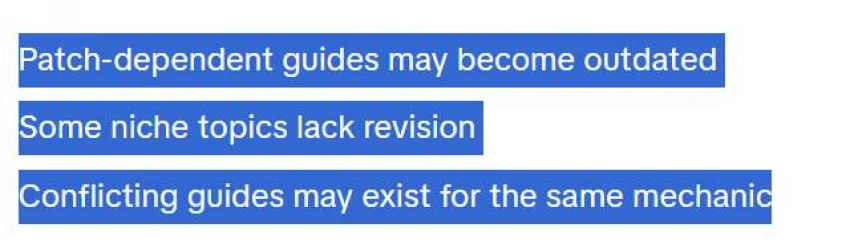
On the negative side, mobile ads come up a lot. The site is absolutely usable on a phone, but the ad load and occasional layout jumps can break your focus. Some players also mention running into guides that are slightly behind patches, especially in live‑service games or niche areas, and note that the deepest coverage is usually focused on bigger or mid‑tier titles rather than every obscure release.
Overall, the sentiment tends to be “this is genuinely useful, but I wish the mobile experience and guide freshness were a bit tighter,” which feels honest and believable.
To make sense of ThinkOfGames, it helps to compare it to the types of sites you probably already know.
| Feature / Focus | ThinkOfGames.com | Big editorial site | Score aggregator |
| Identity | Deep reviews + guides + community perspective | News, previews, reviews, entertainment | Numbers from many outlets |
| Review style | Long, structured, test‑driven | Mix of in‑depth and quick impressions | No original reviews |
| Guides and help | Central to the experience, very prominent | Present but uneven in depth | Usually none |
| Community presence | User scores + comments + discussion | Comments and social features | User scores plus critic averages |
| Price / deal info | Integrated price comparisons and links | Often just “buy now” links | Very limited or none |
| Best fit for | Research‑oriented gamers and guide‑hunters | Broad mainstream audience | People who just want a quick score |
ThinkOfGames doesn’t replace those other sites, but it does fill a slightly different role: less about personality and spectacle, more about structure and depth.
ThinkOfGames is built for gamers who:
● Like to read more than a paragraph before spending full price
● Frequently look up guides, builds, and walkthroughs
● Care about performance, systems, and long‑term value
● Appreciate having one central place to check reviews, guides, and prices
If you mostly want memes, trailers, and influencer personalities, you’ll probably treat ThinkOfGames as a side resource. If you’re the person in your group who researches before buying and loves optimizing your play, there’s a good chance it becomes one of your main tabs.
ThinkOfGames.com isn’t the loudest gaming site in the room, but it’s one of the more serious ones. It offers deep, structured reviews, a big practical guide library, thoughtful context, and a visible community voice, all wrapped in a layout that is clearly built for people who want to think about what they play.
Its flaws are real: ads (especially on mobile), guides that occasionally fall behind patches, a bit of UX roughness, and lighter coverage in ultra‑niche areas. But if you’re okay with those trade‑offs, you get a genuinely useful research companion for your gaming decisions.
For anyone who sees games as more than just impulse buys, ThinkOfGames is absolutely worth bookmarking and checking whenever you’re on the fence about what to play next.

“HidingMe” sounds like a privacy app. It isn’t. So I opened the live site in Jun...
Sandra Campos2 months ago

Type "Totally Science" into a search bar and the name suggests a study aid, a vi...
Benjamin Clark2 months ago

I keep a 12-question audit checklist on my desk. It started in 2024 as a one-pag...
Grace Howard3 months ago

The market for AI-powered knowledge management tools has exploded in the past tw...
Grace Howard4 months ago

I’ve spent enough hours wandering through thesindi.com to know it almost like a...
Ina Gupta4 months ago

Sitemap Generator by UploadArticle.com is a lightweight, browser‑based XML sitem...
Peter Woods4 months ago
Discussion