Artificial intelligence has quietly turned digital avatars into mainstream assets for marketers, educators, streamers, and solo creators. What started as simple profile-picture generators is now a full ecosystem of tools that can turn a selfie, a script, or a text prompt into a talking, on-brand virtual persona in minutes.
In 2026, “best” no longer means just realistic faces. It means: multi-language support, fast render times, scalable pricing, flexible customization, and safe licensing for commercial use. This guide walks you through six of the best AI tools for avatar creation, from corporate-grade video presenters to character-focused generators that cover creators, brands, and devs.
HeyGen has rapidly become a go-to AI avatar video platform for marketers, YouTubers, and small teams who want studio-style talking-head videos without a production crew. You can write or paste a script, choose from hundreds of stock avatars, or create your own “digital twin,” and generate explainer videos, sales pitches, or social ads in a few clicks.
What You Can Do With HeyGen
With HeyGen, you can pick from a large library of video avatars, upload your own portrait, or record yourself to build a custom digital twin that behaves like a real presenter. The platform supports a wide range of video types, from product explainers and onboarding clips to social media shorts and localized promo content in many languages.
Standout Strengths
HeyGen’s biggest edge is speed combined with language flexibility. It offers a large stock avatar catalog, unlimited photo avatars on paid plans, and support for many languages and dialects with auto lip-sync, so you can quickly repurpose content for different markets. The interface feels intuitive even if you do not have video-editing experience, which lowers the barrier for small teams and solo creators.
Where It Feels Limiting
HeyGen is built for scripted presenter-style content, so it is not the ideal choice for complex multi-character scenes or cinematic storytelling. Some of the more advanced capabilities, like longer-duration videos or richer collaboration features, sit behind higher-tier plans, which can push heavy users into more expensive subscriptions.
How Much Does HeyGen Cost?
The Creator plan is the typical entry point, starting at a lower mid-range monthly price for individual users. It usually includes unlimited videos up to a fixed duration, access to hundreds of stock avatars, at least one custom digital twin, and 1080p exports without watermarks. Team-oriented plans cost more but unlock better limits, premium avatars, and additional collaboration options.
Who Will Like HeyGen Most?
HeyGen is a strong fit for marketers, YouTubers, agencies, and solo creators who regularly need polished talking-head avatar videos, especially for promos, explainers, onboarding series, and multi-language campaigns.
Synthesia is one of the most established AI avatar video platforms, widely adopted by enterprises, instructional designers, and HR teams. Its focus is on turning slide decks, documents, and SOPs into highly structured training and internal communication videos.
Use Cases And Workflows
In a typical Synthesia workflow, you start with a script (or import from existing materials), choose a professional-looking avatar, and let the platform assemble a narrated training video. It works especially well for standard operating procedures, compliance modules, onboarding paths, product education, and internal updates that require a consistent, on-brand presenter.
Why Enterprises Gravitate To Synthesia
Two things make Synthesia especially attractive for larger organizations: its mature avatar catalog and its collaboration features. You get a broad range of business-appropriate avatars, personal avatars based on real people, and multi-language support so global teams can access content in their preferred language. Shared templates, brand assets, and review workflows make it easier for L&D and comms teams to manage content at scale.
Trade-Offs And Constraints
The platform is clearly optimized for structured, corporate use, which can make it feel heavier or less playful if you are a casual creator. Lower-cost tiers cap video minutes and limit certain advanced capabilities; unlimited minutes, automatic translation at scale, and deeper collaboration are reserved for higher or enterprise-level plans.
Pricing Snapshot
Synthesia typically offers a modest free tier for testing, with a small number of avatars and minutes so you can try the experience. Paid options start with entry-level plans that give you a limited number of video minutes each month and a core avatar set, then scale up to more expensive Creator and enterprise tiers that offer more minutes, more avatars, and advanced features like 1-click translation and team management.
Ideal Audience
Synthesia is best suited to enterprises, L&D teams, training agencies, and HR departments that care about consistency, multi-language rollouts, and the ability to standardize video production across multiple stakeholders.
Colossyan takes a slightly different angle: it is a text-to-video tool built with e-learning and training interactivity at its core. Rather than just generating avatar monologues, it encourages you to design lessons that feel like real courses.
How Colossyan Approaches Avatar Video
You begin by crafting or importing a script, then assigning one or more avatars to different segments of the lesson. The interface makes it easy to combine presenter segments with on-screen text, visuals, and interactions so the result feels like a guided module instead of a static speech. Avatars are designed to look professional and approachable, which helps in educational and corporate contexts.
Educational Advantages
Colossyan shines when you need more than a talking head. It supports interactive elements such as questions and quizzes, and it is built with e-learning standards in mind so you can export content that plays nicely with popular LMS platforms. Brand kits and custom avatar options also ensure that your training videos look consistent across departments and topics.
Limitations To Keep In Mind
Because it is so focused on training, some of Colossyan’s more specialized capabilities may be overkill if you are just making short marketing clips or social posts. The pricing structure also means that as you scale up video minutes, user seats, and customization, costs can increase quickly for growing teams.
Cost And Plans
Colossyan’s public plans typically scale based on how many video minutes you generate, how many people are on the account, and which feature set you need. Lower tiers are suitable for smaller teams and simple courses, while more advanced tiers unlock deeper interactivity, custom avatars, stronger branding control, and enterprise support.
Best Fit Scenarios
Colossyan is particularly appealing for instructional designers, training vendors, edtech companies, and corporate L&D teams who want avatar-based lessons with assessments and LMS-ready packaging rather than simple explainer videos.
D-ID made a name for itself by animating still photos into moving, talking faces, and that remains its sweet spot. Its Creative Reality Studio is ideal when you want to turn an image into a quick, attention-grabbing clip without building a full video from scratch.
Image-To-Avatar In Practice
A typical D-ID workflow is straightforward: upload a portrait or character image, paste in a script or upload audio, and let the system generate a short video where the face speaks and moves naturally. This is perfect for quickly animating brand mascots, historical figures, or character illustrations for campaigns, promos, or educational snippets.
Reasons Creators Choose D-ID
The main reason people reach for D-ID is speed. You can go from static image to shareable talking-head content in minutes, which is a huge advantage for social media teams or creators working on tight deadlines. The platform also offers more advanced avatar models for users who need higher realism or expressiveness, and it can be integrated into other products through API access.
Downsides And Gaps
D-ID is not a full-scale video editing suite. If you need multi-scene storylines, detailed editing tools, or deep templating for corporate training, you will likely need a separate solution or additional software. Access to its most expressive avatar generations may also depend on the plan you choose, which can confuse new users trying to pick the right tier.
Pricing Orientation
Plans are typically structured around usage volume and the type of avatars you use, with simpler image-based and instant avatars available on general plans, while the most advanced expressive models are reserved for higher tiers or enterprise agreements. If you are writing about D-ID, it is wise to encourage readers to check current pricing pages because video credits and model access can change.
Who It Suits Best
D-ID works best for creators, marketers, educators, and agencies who often start from static images such as portraits, art, or mascots and want to bring them to life as quick, lip-synced talking videos for social channels, landing pages, or campaigns.
Pika AI by Pika Labs is a highly creative video generation platform that leans into short-form, social-ready content. While it began as a text-to-video tool, its growing avatar and lip-sync capabilities make it a strong option for people building VTubers, meme clips, and experimental character content.
Creative Possibilities With Pika
Pika allows you to create “AI Selves,” which are persistent digital versions of you that can show up across different media. You can combine text prompts, images, and audio to generate eye-catching clips where your avatars talk, sing, or even rap. The system’s ability to mimic dynamic camera motion and cinematic effects gives avatar videos a more modern, scroll-stopping aesthetic.
Why It Appeals To Creators
The platform’s energy is very creator-centric. It is particularly good at quickly producing short, stylized videos that feel native to TikTok, Reels, and YouTube Shorts. For VTubers and meme makers, the mix of talking-face models, lip-sync, and flexible styling makes it easy to iterate on expressions, reactions, and character scenarios until you find what works.
Drawbacks For More Formal Use
Pika is less focused on enterprise templates, training structures, and formal slide-based stories. If you are a corporate trainer or HR manager, you might find it missing some guardrails and integrations that products like Synthesia or Colossyan offer. Its rapid evolution also means the interface and feature set can change relatively quickly, which may require creators to adapt often.
Pricing Tendencies
Historically, Pika has offered free access with limitations plus paid tiers that expand resolution, generation speed, and usage limits. As with any fast-moving creative AI tool, credit systems and pricing levels may evolve, so it is better to frame Pika as a dynamic, creator-focused platform and direct readers to the official site for up-to-date costs.
Ideal Use Cases
Pika AI is an excellent option for VTubers, meme pages, independent creators, and social media managers who want highly shareable avatar content: talking characters, lip-synced performances, reaction clips, and experimental narrative shorts.
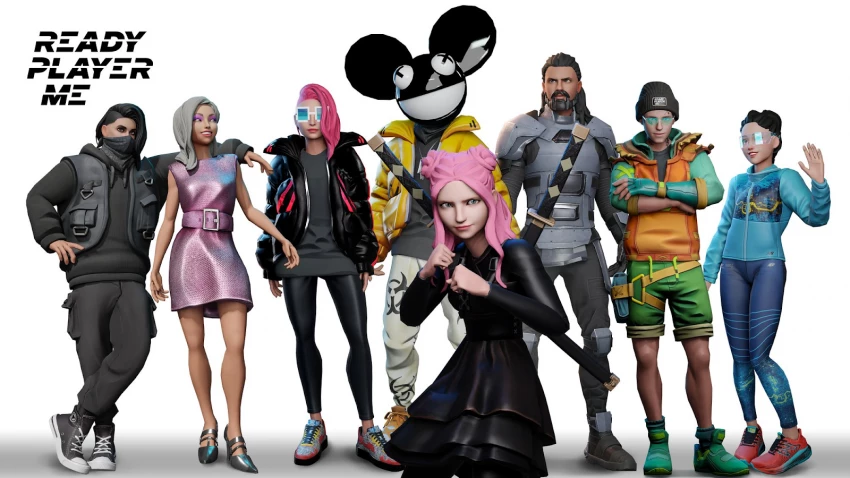
Ready Player Me stands apart from the others in this list because it is not primarily a video generator. Instead, it is a 3D avatar system designed to give you a persistent digital identity that you can carry across games, apps, and metaverse environments.
How Ready Player Me Works
Users start by creating a 3D avatar—often from a selfie or from scratch—and then customize facial features, body type, clothing, and accessories. Once the avatar is ready, it can be used inside thousands of compatible virtual experiences, meaning one digital identity can travel from one game or app to another without being rebuilt.
Benefits For Users And Developers
For regular users, the main benefit is consistency: you get one avatar that represents you across many virtual spaces rather than juggling separate characters for each platform. Developers gain a plug-and-play avatar system they can integrate into their own experiences, giving users a familiar identity from day one and saving time on building custom avatar pipelines.
Where It Does Not Fit
Ready Player Me is not a substitute for the avatar video tools above. If your main goal is to produce narrated videos, training content, or talking-head explainers, you will still need a video-focused platform. Some more advanced or customized integrations also require technical skill, making it less trivial for non-technical teams to implement on their own.
Cost Structure
For everyday users, creating and using avatars on supported platforms is generally free, which lowers friction for gamers and casual metaverse explorers. The business model leans more on partnerships, developer integrations, and enterprise deals than on charging individuals for basic avatar creation.
Who Should Consider It
Ready Player Me is ideal for gamers, metaverse enthusiasts, social VR users, and developers who want a cross-platform 3D avatar system. It is less about pre-rendered video and more about persistent presence inside live virtual environments.
Here is a quick at-a-glance view to help readers decide which platform fits their use case:
| Tool | Primary use case | Typical pricing entry point | Stand-out strength |
| HeyGen | Marketing, explainers, social videos | Around lower mid-range monthly for Creator | Large avatar library, multilingual lip-sync, ease of use |
| Synthesia | Corporate training and internal comms | Entry paid tiers with limited minutes | Enterprise-ready workflows, big avatar catalog |
| Colossyan | Interactive e-learning content | Tiered by minutes and seats | Interactivity, quizzes, LMS-friendly exports |
| D-ID | Fast talking avatars from still images | Volume- and model-based plans | Quick image-to-talking-head videos |
| Pika AI | VTubers, memes, short-form clips | Free plus evolving paid options | Creative lip-sync, AI Selves, cinematic shorts |
| Ready Player Me | Cross-platform 3D avatars for apps/games | Generally free for individual avatars | 3D avatar usable across thousands of virtual platforms |
AI avatars have evolved into powerful tools for communication across marketing, education, and virtual experiences, rather than just being gimmicks. There is no single best platform, as each serves a different purpose depending on your needs. HeyGen is ideal for quickly creating polished marketing videos, while Synthesia and Colossyan are better suited for structured corporate training and learning environments. D-ID offers a simple way to turn static images into talking avatars, and Pika AI is geared toward creative, social-first content. Meanwhile, Ready Player Me stands out for building persistent 3D avatars used in virtual worlds.
Ultimately, the key is to match the tool to your specific goal. The most successful creators and brands treat avatars as a flexible part of their content strategy rather than a one-time novelty, choosing different platforms based on their audience, channel, and business objectives.
When I sat down to seriously compare InVideo and Pictory, I wasn’t just testing...
Grace Howard5 months ago
AI background removal has quietly become the “first edit” step for almost every...
Benjamin Clark5 months ago
AI photo enhancement has quietly become the “secret sauce” behind sharp Instagra...
Funke Ogunleye5 months ago
Looking Beyond Canva: What Are You Really Missing?Canva is brilliant for getting...
Grace Howard5 months ago

A few years ago, “chatbot” meant a rigid decision tree that collapsed as soon as...
Benjamin Clark5 months ago
ElevenLabs has set a high bar for lifelike AI voice generation, but it’s no long...
Grace Howard6 months ago
Discussion