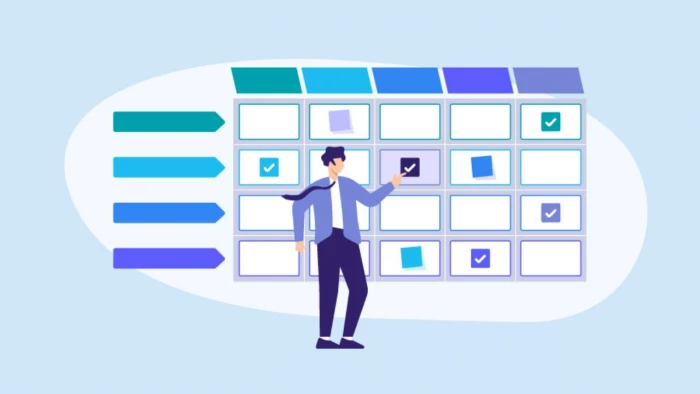
IT leaders often struggle with choosing the best way to manage their company's hardware: should they buy, lease, or use services like HaaS or DaaS? Each option has its own benefits and challenges, and making the wrong choice can lead to high costs and problems down the road.
This article will help IT leaders understand the different models and the factors that matter most when making a decision. By looking at things like total cost of ownership (TCO) and flexibility, this guide will help you choose the best option that fits your company's needs and budget.
There are several models to consider when it comes to acquiring hardware for your company. Each procurement model offers different benefits, but also has certain elements that are either included or excluded. Here’s what you can expect from each option:
This is the traditional method where a company purchases hardware outright. While this offers full ownership and control, it also requires a significant upfront investment and long-term management of the hardware.
Full ownership of the hardware, which means you have control over how long you keep it and when to upgrade. Warranty coverage is often included, providing support if the equipment breaks within a certain period. You also have the right to use the hardware as long as you want.
Maintenance, upgrades, and end-of-life management (e.g., disposal or recycling) are typically the company’s responsibility. These costs can add up over time, especially if the hardware becomes outdated or needs frequent repairs.

Leasing allows businesses to rent hardware for a set period, often with the option to buy at the end of the lease. It can be a more affordable alternative to buying since it requires lower initial payments.
Monthly payments for the use of hardware, with some leasing agreements including options for maintenance and support. This makes it easier to manage cash flow since the upfront costs are lower.
Full ownership of the hardware is excluded. The equipment is usually returned at the end of the lease term and you won’t be able to keep it unless you opt to buy it. Leasing contracts can also be rigid, limiting flexibility in the terms, especially if your needs change mid-term.
Hardware as a Service is a subscription-based model where businesses pay a recurring fee to receive hardware along with ongoing support and maintenance. This model allows companies to avoid high upfront costs while keeping their tech up to date.
The hardware itself, along with ongoing maintenance, lifecycle management (such as upgrades and repairs), and often software support. With HaaS, you get a complete service package, which reduces the burden of managing hardware over its lifespan.
Ownership of the hardware. At the end of the contract, the equipment is returned, and you no longer have access to it unless you sign a new contract. This means you don’t get long-term value from the asset.
Device as a Service is similar to HaaS, but it focuses on providing fully managed devices, such as laptops, desktops, and mobile devices, along with software and support services. It allows businesses to pay for the devices they need on a subscription basis, while also benefiting from device management and security features. DaaS is ideal for companies that need a complete, hassle-free IT service with a focus on device security and updates.
Devices, software, management services (including data backup, security features), and regular device refresh options. DaaS provides a fully managed IT solution, handling everything from device deployment to security, all on a subscription basis.
Ownership of the devices, as they are leased for the duration of the contract. Additionally, the level of customizability can be limited depending on the service provider, particularly if your business needs specific hardware configurations that the provider doesn’t offer.
When evaluating procurement models, Total Cost of Ownership (TCO) plays a critical role. TCO reflects all costs associated with acquiring, maintaining, and disposing of hardware over its useful life. Here’s how each model affects TCO:
● Upfront Capital Expenditure: Purchasing hardware requires a significant initial investment, which can be a barrier for many companies, especially when equipping a large workforce.
● Long-term Maintenance and Repair Costs: After the purchase, the company is responsible for maintaining the equipment, including repairs, upgrades, and regular servicing. These costs add up over time, particularly as the hardware ages.
● Depreciation: Hardware depreciates in value over time, which affects its resale or trade-in value. IT asset depreciation can be a hidden cost, reducing the long-term value of your initial investment and impacting the overall TCO.
● Ongoing Lease Payments, Interest Rates: Leasing offers lower upfront costs but comes with monthly payments, often including interest. These payments can add up over the term of the lease, making it potentially more expensive in the long run than buying, especially if the equipment is leased for multiple years.
● Potential Penalties for Early Termination or Exceeding Contract Terms: Leasing contracts may include penalties for early termination or exceeding agreed-upon terms, such as device usage limits. These additional fees can increase the overall TCO if your needs change during the lease period.
● Subscription Model: HaaS operates on a subscription basis, where you pay regularly for hardware use, upgrades, and support services. The subscription cost can provide predictable expenses, which simplifies budgeting for IT hardware.
● Cost Savings: One of the advantages of HaaS is outsourcing the responsibility for repairs, replacements, and lifecycle management. This can lead to cost savings by eliminating the need to hire specialized staff or deal with unexpected maintenance costs, which reduces the overall TCO.
● Subscription Costs Based on Usage and Number of Devices: In DaaS, you pay a recurring fee based on how many devices you use and how much service you require. While this can offer flexibility, it’s important to carefully estimate the number of devices and services you’ll need to avoid unexpected costs.
● Comprehensive Services: DaaS includes a range of services such as device management, software maintenance, security features, and support. While these add value, they also contribute to the overall TCO. The cost of these services should be factored into your decision, as it could be more expensive than owning hardware outright.
● Shipping, Retrieval, and Disposal Costs: At the end of the contract, you may incur additional costs for shipping devices back to the provider, retrieving them from employees, and disposing of outdated or unused devices. These costs are typically included in the TCO for DaaS and can vary based on the provider’s terms.
Security and compliance are critical when choosing between buying, leasing, HaaS, and DaaS. Each model involves different responsibilities for maintaining data protection and meeting legal requirements.
Secure disposal and return of hardware are essential to prevent data breaches. When leasing or renting devices, the provider is responsible for ensuring data security, but this can pose a risk if not properly handled.
Owning devices gives more control over data security. HaaS and DaaS providers follow industry standards, like GDPR and HIPAA, for data wiping and compliance, ensuring data is securely managed throughout the hardware lifecycle.
Contracts for leasing, HaaS, and DaaS should include clear security clauses that outline data handling, responsibility for breaches, and data sanitization processes. It's crucial to ensure that vendors are held accountable for security and compliance with relevant regulations.
Additionally, companies should ensure that vendors provide chain of custody documentation and are prepared for audits, confirming they follow best practices for data protection.
When choosing a procurement model, it's important to balance refresh flexibility with contract risks.
● Buying: You own the hardware, but you're responsible for regular upgrades. Over time, outdated technology can become a risk, and upgrades can be costly.
● Leasing: Leasing offers more flexibility for upgrades, depending on the lease terms. However, you may face lock-in contracts that limit your ability to refresh technology freely, and early termination can lead to penalties.
● HaaS and DaaS: Both models include built-in refresh cycles, ensuring that hardware and software are regularly upgraded. DaaS offers even more flexibility with frequent upgrades. However, there are still risks of fees or renegotiation if you want to change hardware mid-contract, as providers often have specific rules for upgrades.
When entering a procurement agreement for buying, leasing, HaaS, or DaaS, it's crucial to include certain clauses in the contract to protect your company and ensure smooth operations.
● Payment Terms: Specify the payment schedule, including any interest rates for leasing or subscription-based models. Ensure clarity on the total cost over the contract term.
● Ownership Clauses: For leasing, HaaS, and DaaS, ensure it’s clear who owns the hardware and what happens at the end of the contract.
● Service Level Agreements (SLAs): Define the level of service you expect, including response times for support and maintenance.
● Early Termination Penalties: Include terms for penalties if the contract is terminated early or if there’s a need to adjust the agreement due to changes in business needs.
● Data Handling and Lifecycle Management: Outline the provider's responsibilities for securely managing, wiping, and disposing of data and hardware.
● Chain of Custody Documentation: For leased or serviced hardware, ensure detailed tracking is provided to guarantee secure handling from start to finish.
● Upgrade or Refresh Options: Negotiate terms for upgrading or refreshing hardware before the contract ends to ensure the equipment remains up to date.
● Scalability Terms: Include clauses that allow for the addition or reduction of hardware based on business growth or changing needs.
Selecting the right procurement model is a strategic choice shaped by total cost, flexibility, risk, and long-term business goals. Buying offers control and lower lifetime cost, while leasing improves cash flow. HaaS and DaaS add agility and predictable costs but may increase total spend and vendor reliance.
IT leaders should assess workforce needs, security, refresh cycles, and growth plans. They can also tailor or blend models to fit their organization’s unique priorities and future roadmap.
When I sat down to seriously compare InVideo and Pictory, I wasn’t just testing...
Grace Howard1 month ago

AI background removal has quietly become the “first edit” step for almost every...
Benjamin Clark1 month ago
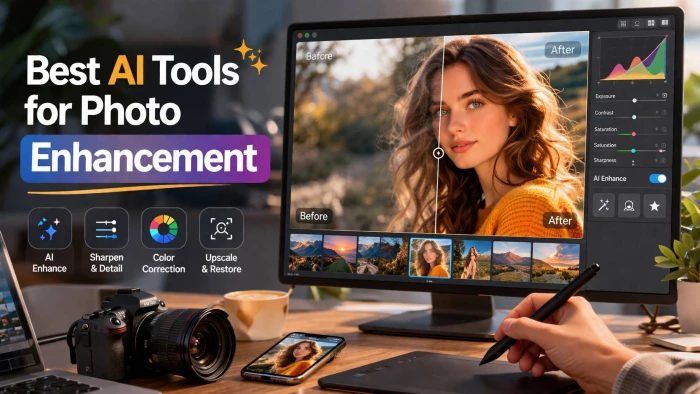
AI photo enhancement has quietly become the “secret sauce” behind sharp Instagra...
Funke Ogunleye1 month ago

Looking Beyond Canva: What Are You Really Missing?Canva is brilliant for getting...
Grace Howard1 month ago

A few years ago, “chatbot” meant a rigid decision tree that collapsed as soon as...
Benjamin Clark1 month ago

ElevenLabs has set a high bar for lifelike AI voice generation, but it’s no long...
Grace Howard1 month ago
Discussion