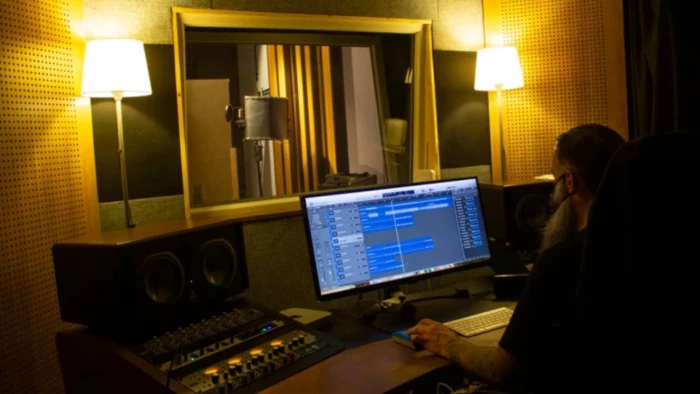
When you are developing an indie game or building a digital streaming channel, you quickly realize that visuals are only half the battle. You can have the most engaging gameplay mechanics, beautiful pixel art, or seamless overlay transitions, but if your audio is flat and generic, players will tune out. Sound sets the mood, signals danger, and creates an emotional connection to the world you are building.
Unfortunately, getting high-quality audio is a massive pain point for small teams and solo creators. Hiring a professional composer or a cast of voice actors can easily drain an entire production budget before the project is even halfway finished. On the flip side, using generic stock music assets makes your game or stream feel cheap and repetitive, while using popular copyrighted songs risks instant DMCA takedowns or muted videos.
To break out of this trap, independent creators are changing how they build their soundscapes. Cloud-based platforms like Tad AI are giving creators a way to generate custom, studio-quality background music and character voices right from their web browsers. By turning audio creation into an affordable, instant utility, it allows indie developers to keep up with major studios without breaking the bank.
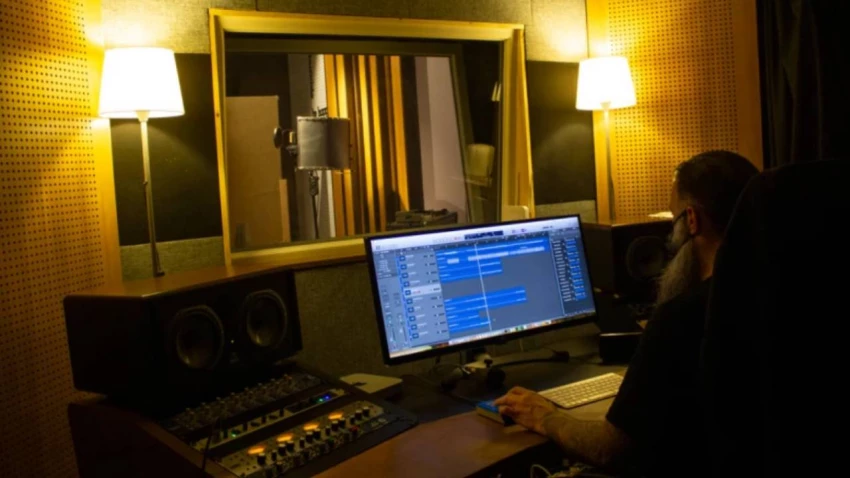
The most common complaint about older computer-generated music is that it sounds like a cheap 90s ringtone. It feels mechanical, flat, and completely lacks the warmth and depth of real instruments. If you put robotic, poorly mixed music into a game or a livestream background, it instantly distracts the audience and breaks their immersion.
Modern technology has evolved past simple robotic playback. The core engine behind today's advanced platforms creates completely original audio waves from scratch. Instead of copying rigid note grids, it simulates how real sound travels, blending rhythm, melody, and instruments into a smooth, professional mix.
For a game developer, this means your background tracks come out radio-ready. The bass triggers clearly without muddying up the mix on laptop speakers, the orchestral layers feel cinematic, and electronic synths sound clean and modern. You do not need to spend hours learning complicated audio mixing software—what you download is polished, professional, and ready to drop straight into your game engine.
In game design and streaming, audio needs to be flexible. You rarely want a flat, unchangeable music track running on an endless loop. For instance, if a player walks from a bright, busy town into a dark, quiet cave, the music needs to change dynamically to reflect that new environment.
The latest features inside the AI music generator workspace solve this issue by giving you complete control over your tracks. Instead of downloading a single flattened file, the platform lets you choose exactly how you want to isolate your sound layers:
Vocal and Music Splits: Easily separate voice tracks from the background instrumental accompaniment with one click.
Four-Track Instrumental Breakdown: Cut the entire song into standalone channels for Vocals, Guitar, Bass, and Drums.
With the help of tools like Tad AI, this multitrack setup allows developers to build adaptive audio systems easily. You can drop these separate files into your game engine and program the drums to fade out when a player stops fighting, or keep just the bass line thumping when things get mysterious.
Furthermore, you can download the MIDI blueprint for these separate tracks. Since MIDI is just digital sheet music that records the exact notes and timing, it gives you complete freedom. If you love a melody generated by the system but want it to be played by an acoustic violin instead of an electric guitar to match a fantasy setting, you can simply import the MIDI file into your favorite editing software and change the instrument with a single click.
A great game world or channel theme often needs more than just a background beat—it requires believable voices for narration, tutorials, and non-player characters (NPCs). Sourcing distinct voice talent for dozens of different roles or localized versions is incredibly difficult for small teams.
This is where the Text to Speech features in Tad AI become a lifesaver for fast-moving creators. The system functions as an automated voiceover studio, transforming raw text scripts into clear, natural human speech across more than 50 global languages and regional dialects.
Unlike old text-to-speech programs that sounded like monotonous robots, this modern vocal setup understands the natural rhythm of human conversation. The digital voices take realistic breaths between sentences and automatically adjust their pitch to place emphasis on important words. With a massive library of different male and female personas, you can easily generate placeholder dialogue for early prototypes or create polished, localized audio files for your international audience in seconds.
The absolute scariest part of releasing a game on Steam or streaming live on Twitch is the constant threat of copyright claims. Automated bots constantly scan digital platforms for unlicensed audio. A single accidental copyright flag can lead to muted streams, lost ad revenue, or even complete channel bans, destroying months of community building.
Using assets built into the Tad AI framework removes this legal stress entirely. Because the system calculates and synthesizes every single sound wave from scratch using mathematical weights—rather than copying or altering pre-existing copyrighted loops—every single render is a 100% original digital asset that belongs entirely to you.
This means you can confidently distribute your projects globally, run paid advertising campaigns, and monetize your livestreams without worrying about hidden licensing rules, future royalty payouts, or sudden intellectual property disputes down the road. It transforms sound design into a safe, predictable step in your creative pipeline.
The days of needing thousands of dollars in hardware or massive agency budgets to get professional-grade sound are permanently over. Today, the competitive edge for independent developers and streamers comes down to the speed of their workflow and the clarity of their creative vision.
By combining direct sound wave generation with easy track separation, MIDI downloads, and an international voice library, an open dashboard on Tad AI puts an entire audio production team right at your fingertips. It takes the technical headaches out of sound design, letting you focus on what really matters: creating unforgettable experiences for your players and viewers.
When I sat down to seriously compare InVideo and Pictory, I wasn’t just testing...
Grace Howard5 months ago

AI background removal has quietly become the “first edit” step for almost every...
Benjamin Clark5 months ago
AI photo enhancement has quietly become the “secret sauce” behind sharp Instagra...
Funke Ogunleye5 months ago

Looking Beyond Canva: What Are You Really Missing?Canva is brilliant for getting...
Grace Howard5 months ago

A few years ago, “chatbot” meant a rigid decision tree that collapsed as soon as...
Benjamin Clark5 months ago
ElevenLabs has set a high bar for lifelike AI voice generation, but it’s no long...
Grace Howard6 months ago
Discussion