Many businesses spend hours creating email campaigns. They write catchy subject lines, design attractive layouts and carefully schedule the perfect sending time. But after the campaign goes live the results often fall short with low open rates, very few clicks and little to no conversions.
If you have experienced this you are not alone.
Email marketing remains one of the most profitable digital marketing strategies available today. Research shows that businesses can generate an average return of $36 for every $1 invested in email marketing.
However many campaigns fail to perform well because marketers focus mainly on content while overlooking the technical and strategic elements that influence inbox placement and audience engagement.
Without strong email deliverability even well-written campaigns may never reach the primary inbox, making it difficult to achieve consistent opens, clicks, and conversions.
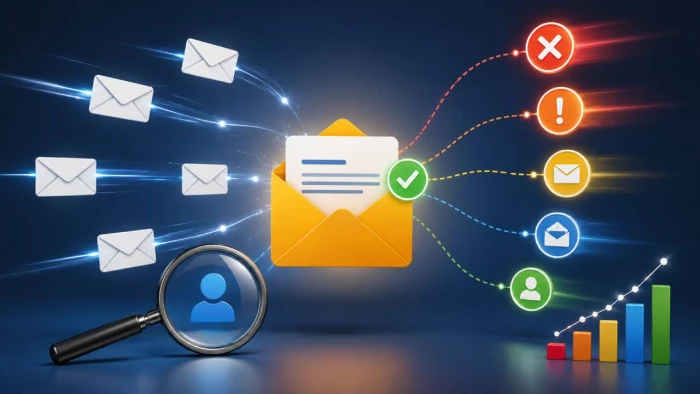
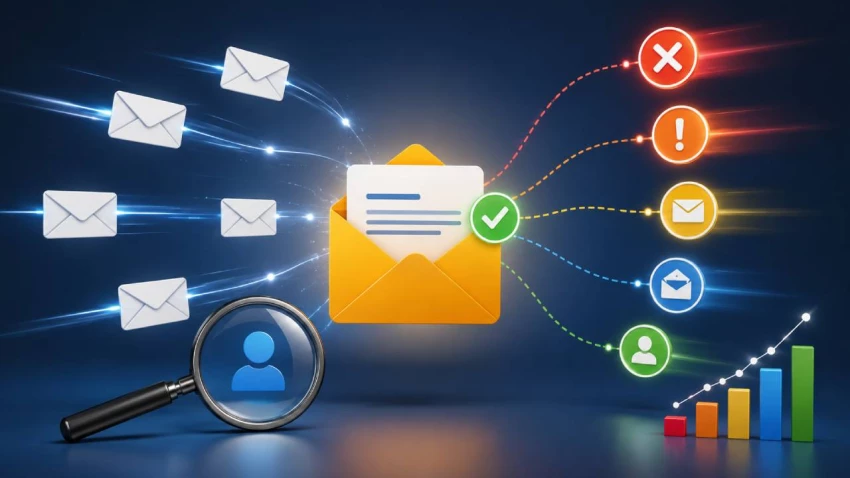
Before your subscriber reads a single word, email providers like Gmail, Yahoo, and Outlook evaluate your message behind the scenes. They analyze your sender reputation authentication setup, engagement history and content quality to decide whether your email belongs in the inbox or the spam folder.
This process is known as email deliverability.
Poor deliverability means:
● Lower open rates
● Reduced engagement
● Damaged sender reputation
● Lost sales opportunities
● Higher spam complaints
Many businesses ignore deliverability until their campaigns stop performing. Unfortunately rebuilding trust with Internet Service Providers (ISPs) can take weeks or even months once your reputation declines.
One of the most common reasons emails fail is poor authentication setup.
Modern inbox providers rely on three key authentication protocols to verify whether your emails are legitimate.
SPF tells receiving mail servers which IP addresses are authorized to send emails on behalf of your domain.
Without SPF your emails immediately appear suspicious.
DKIM adds a cryptographic signature to your emails helping servers verify that the message has not been altered during transmission.
Think of it like a digital seal of authenticity.
DMARC builds on SPF and DKIM by telling inbox providers how to handle authentication failures.
It also provides reports that help you monitor suspicious activity and spoofing attempts.
If any of these records are missing or misconfigured:
● Your emails may land in spam
● ISPs may distrust your domain
● Phishing risks increase
● Deliverability rates drop significantly
Most email platforms now provide authentication dashboards making setup much easier than it was a few years ago.
Many marketers believe bigger email lists automatically produce better results.
In reality a smaller highly engaged audience almost always outperforms a massive list filled with inactive subscribers.
Internet service providers monitor engagement closely If large portions of your list:
● Ignore your emails
● Mark messages as spam
● Generate hard bounces
● Never interact with campaigns your sender reputation gradually declines.
This is why list hygiene is critical.
A confirmed opt-in process ensures subscribers genuinely want to hear from you.
Yes, it may reduce list growth slightly but it dramatically improves engagement quality.
Invalid email addresses damage your reputation and increase bounce rates.
Most professional email platforms automate this process but always verify the settings are enabled.
Subscribers who have not opened emails in 60–90 days should enter a re-engagement sequence.
If they remain inactive remove or suppress them from future campaigns.
Purchased lists are one of the fastest ways to destroy deliverability.
They often contain:
● Spam traps
● Fake addresses
● Unqualified leads
● Compliance risks related to GDPR and CAN-SPAM laws
Another major mistake is treating every subscriber the same.
Some people are comfortable receiving daily updates. Others may unsubscribe after receiving two emails in one week.
Finding the right cadence is essential.
Too many emails can:
● Increase unsubscribes
● Trigger spam complaints
● Reduce trust
Too few emails can:
● Make subscribers forget your brand
● Lower engagement consistency
● Hurt long-term recognition
When using a new domain or launching a new campaign begin with lower sending volumes.
Gradually increase frequency as positive engagement signals grow.
There is no universal “best time” to send emails.
Your audience behavior depends on:
● Industry
● Time zone
● Device usage
● Work schedules
A/B testing over several weeks provides far more accurate insights than generic industry benchmarks.
Adding a preference center allows subscribers to choose:
● Weekly emails
● Monthly updates
● Product announcements only
This reduces unsubscribes and improves user satisfaction.
Your email body does not matter if nobody opens the message.
The first impression comes from:
● Sender name
● Subject line
● Preheader text
These three elements determine whether subscribers click or ignore your email.
Clear, benefit-driven subject lines consistently outperform vague or overly creative ones.
“3 Ways to Reduce SaaS Costs This Quarter”
“You Won’t Believe What We Discovered”
Misleading curiosity tactics may increase short-term openings, but they reduce long-term trust.
Most email opens now happen on smartphones.
Keep subject lines concise and place the most important words near the beginning.
The preheader acts like a second subject line.
Instead of repeating the subject line, use it to:
● Add urgency
● Provide context
● Highlight value
Sending the same email to your entire list is one of the biggest performance killers in modern email marketing.
Segmentation allows you to send more relevant content to different subscriber groups.
Even simple segmentation can dramatically improve:
● Open rates
● Click-through rates
● Conversion rates
● Deliverability
| Segmentation Type | Example |
| Purchase History | Existing customers vs new leads |
| Geography | Country or time-zone based campaigns |
| Engagement Level | Active vs inactive subscribers |
| Signup Source | Webinar, blog, paid ads, or referrals |
| Behavioral Activity | Pages visited or products viewed |
| Platform | Best For | Key Strength |
| Mailchimp | Beginners | Easy automation |
| Klaviyo | Ecommerce brands | Advanced segmentation |
| ActiveCampaign | SMBs | CRM + automation |
| Omnisend | Shopify stores | Ecommerce workflows |
Spam filters are smarter than ever.
Modern filtering systems analyze:
● Formatting
● Link structure
● Text-to-image balance
● User engagement
● Spam complaint history
Poorly structured emails can still trigger spam filters even with strong authentication
Emails that contain only large promotional banners often perform poorly.
Balanced layouts with meaningful text typically generate better inbox placement.
Plain-text versions improve accessibility and help inbox providers trust your emails.
Frequently changing sender identities confuses subscribers and increases spam complaints.
Shortened links are commonly associated with spam and phishing attempts.
Use clean branded URLs whenever possible.
Open rates alone no longer tell the full story.
Privacy updates, especially Apple Mail Privacy Protection have made open rate tracking less reliable.
Modern email marketers should prioritize deeper performance metrics.
| Metric | Why It Matters |
| Click-to-Open Rate (CTOR) | Measures real engagement |
| Conversion Rate | Tracks actual business results |
| Revenue Per Email | Useful for ecommerce performance |
| Spam Complaint Rate | Directly impacts deliverability |
| Unsubscribe Rate | Indicates audience fatigue |
A spam complaint rate above 0.08% is considered dangerous by major inbox providers.
Successful email marketing is no longer about sending the highest number of emails.
It is about building trust.
The businesses that consistently perform well with email marketing usually share the same habits:
● They use proper authentication
● They maintain clean subscriber lists
● They segment audiences carefully
● They monitor deliverability continuously
● They prioritize subscriber experience over vanity metrics
Email remains one of the most profitable marketing channels available today but only for brands willing to approach it strategically.
Emails commonly land in spam due to poor authentication, low sender reputation, excessive promotional language, or weak engagement rates.
Average email open rates vary by industry but most campaigns perform well between 20% and 35%.
Yes. Better targeting leads to higher engagement which signals trustworthiness to inbox providers.
The ideal frequency depends on your audience; most businesses see strong results with one to three emails per week.
Absolutely. Email marketing continues to deliver one of the highest ROIs in digital marketing when combined with strong deliverability and audience segmentation strategies.
When I sat down to seriously compare InVideo and Pictory, I wasn’t just testing...
Grace Howard1 month ago

AI background removal has quietly become the “first edit” step for almost every...
Benjamin Clark1 month ago

AI photo enhancement has quietly become the “secret sauce” behind sharp Instagra...
Funke Ogunleye1 month ago

Looking Beyond Canva: What Are You Really Missing?Canva is brilliant for getting...
Grace Howard1 month ago

A few years ago, “chatbot” meant a rigid decision tree that collapsed as soon as...
Benjamin Clark1 month ago

ElevenLabs has set a high bar for lifelike AI voice generation, but it’s no long...
Grace Howard1 month ago
Discussion