
TL;DR: If your registrar is slow, pricey, or missing the features you need, it's probably time to move. This guide walks you through the five clearest signs it's time for a switch and shows you exactly how to pick a registrar that fits where your business is headed.
You log in to renew your domain, brace yourself for the bill, and there it is again: a price that climbed without warning. Or maybe you waited two days for a support reply to a problem that should have taken five minutes. Little frustrations like these add up, quietly costing you time, money, and a bit of credibility every time something goes wrong.
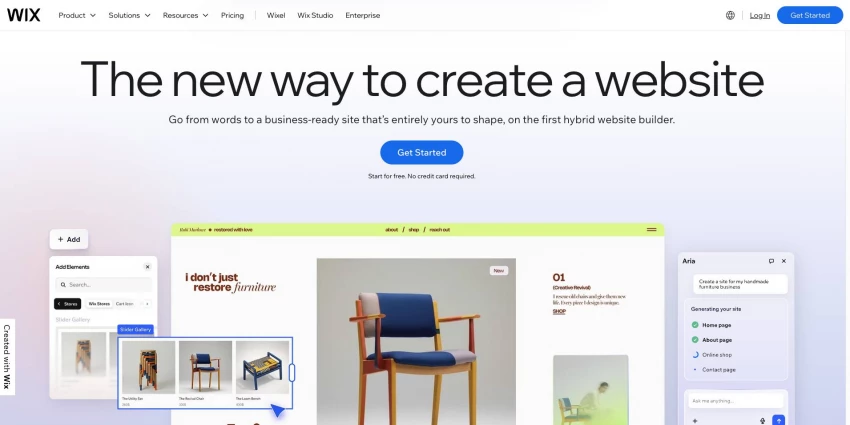
A domain transfer is far more common than most business owners realize, and so is choosing the right one to move to. Wix is a domain registrar trusted by millions of businesses, offering clear first-year and renewal pricing with no hidden costs, which is exactly the kind of clarity you want when you're weighing your options. Knowing the right moment to make one is a genuine advantage. The trick is twofold: learning to spot the signs you've outgrown your current registrar. Let's break it all down.
Your registrar should fade into the background and just work. When it starts demanding your attention for the wrong reasons, that's your cue. Here are the five signs it's time to start a domain transfer.
1. Poor or slow customer support. When your site or email goes down, you need answers fast. If you're stuck in endless ticket queues or chatting with a bot that can't help, the cost of that delay is real.
2. Unexpectedly high renewal fees. Many registrars lure you in with a cheap first year, then spike the renewal price. If your bill keeps climbing without any added value, you're paying for inertia.
3. Missing security features. Essentials like DNSSEC and two-factor authentication protect your domain from hijacking. If your registrar treats these as luxuries or doesn't offer them at all, your domain is more exposed than it should be.
4. A clunky, outdated dashboard. Managing DNS records shouldn't feel like defusing a bomb. A confusing interface leads to mistakes, and mistakes lead to downtime.
5. Missing the features you now need. Maybe you want email hosting, WHOIS privacy, or a simple way to manage multiple domains in one place. If your registrar can't keep up, it's holding you back.
Recognize two or more of these? That's a strong signal you'll be better off somewhere else.
The registrar that fit you on day one might not fit you today. A solo founder with a single domain has very different needs from a growing team juggling new products, fresh markets, and a handful of sub-brands.
As your company expands, your changing business operations tend to trigger domain decisions you didn't anticipate. You might need to grab new top-level domains, manage a growing portfolio, or pull everything together under one provider so you're not logging into five accounts to make one update.
Here's the reassuring part: switching registrars is far less disruptive than staying put with one that no longer serves you. The friction you feel every day adds up to more lost time than a single, well-planned move ever will.
Privacy rarely tops anyone's registrar checklist, but it deserves a spot. When you register a domain, your name, address, and contact details can end up in the public WHOIS database unless your registrar shields them.
For any business handling customer data, your domain decisions should align with a sound privacy posture. Treating privacy as a core part of the data strategy behind your domain means asking how your registrar stores your personal information, what it does with it, and whether protection is automatic or an upsell.
A registrar that charges extra for basic WHOIS privacy, or buries its data policies in fine print, is waving a small red flag. The best providers build privacy in by default because they understand it's not optional anymore.
Once you've decided to move, you need a way to compare your options. Run any candidate through this checklist before you commit:
● Transparent pricing. First-year and renewal costs should be clear and stable, with no surprise hikes waiting for you next year.
● Strong security defaults. Look for DNSSEC, two-factor authentication, and domain locking offered as standard, not add-ons.
● Smooth integration. Your registrar should play nicely with your website builder and email setup so everything connects without a fight.
● Easy DNS management. A clean, intuitive dashboard saves you time and prevents costly errors.
● Quality support. Real humans, fast response times, and clear documentation make all the difference when something breaks.
These factors do more than tick boxes. They protect the consistency, uptime, and flexibility of your online presence as your domain portfolio grows. Choosing well now saves you from repeating this whole process in a year.
A well-prepared transfer is smoother than most people expect. Follow these steps and you won't see a second of visible downtime.
1. Unlock your domain. Log in to your current registrar and turn off the domain lock that prevents transfers.
2. Get your EPP/auth code. Request this authorization code from your current provider. It's the key that proves you own the domain.
3. Initiate the transfer. At your new registrar, enter your domain and the EPP code to kick things off.
4. Confirm via email. You'll get a confirmation request. Approve it quickly to keep the process moving.
5. Wait out the window. Transfers typically take 5 to 7 days to finalize. That's normal, so don't panic.
A few checks make all the difference. Confirm your domain isn't within 60 days of its original registration or last transfer, since that triggers an automatic hold. Before you start, copy down your DNS records so you can recreate them on the new side, and double-check that your email keeps flowing throughout. Prepare properly, and your visitors and customers won't notice a thing.
Here's the truth that separates businesses in control of their infrastructure from those simply tolerating friction: noticing the signs early and acting on them. Once you recognize that your registrar is costing you more than it's worth, you've already done the hard part.
The rest is just a checklist and a few days of patience. Pick a provider with clear pricing, strong security, and support that shows up when you need it, then make your move with confidence. Your domain is the foundation everything else is built on, so give it a home that grows right alongside you.
When I sat down to seriously compare InVideo and Pictory, I wasn’t just testing...
Grace Howard4 months ago

AI background removal has quietly become the “first edit” step for almost every...
Benjamin Clark4 months ago

AI photo enhancement has quietly become the “secret sauce” behind sharp Instagra...
Funke Ogunleye4 months ago
Looking Beyond Canva: What Are You Really Missing?Canva is brilliant for getting...
Grace Howard4 months ago

A few years ago, “chatbot” meant a rigid decision tree that collapsed as soon as...
Benjamin Clark4 months ago

ElevenLabs has set a high bar for lifelike AI voice generation, but it’s no long...
Grace Howard4 months ago
Discussion